Wholesale Jewelry Sets: Metal Type, Finish & Plating

Jewelry Sets Wholesale: How to Read Metal Type and Finish Disclosures Before You Order
Jewelry sets are one of the strongest reorder categories for US retailers, but the margin on a matched necklace, earrings, and bracelet set depends heavily on what the metal and finish actually are. A set described as "gold jewelry" could be 14K solid gold, gold vermeil over sterling silver, or gold plated brass, and each carries a different wholesale price, a different resale claim you can legally make, and a different customer expectation.
This guide walks through how wholesale buyers should evaluate metal type and finish disclosure on jewelry sets, what questions to ask a supplier before sampling, and how to translate supplier specs into accurate product listings that reduce returns and protect your store's reputation.
Why Metal Disclosure Matters More for Sets Than for Single Pieces
A single pendant that loses its finish in three months is a return. A three-piece set where the earrings faded but the necklace held its color is a review that mentions your brand by name. Sets multiply the surface area for finish problems because they contain more components, more solder joints, and more clasps, and customers wear the pieces together, so any color mismatch between them is immediately visible.
Disclosure also carries legal weight in the US. The Federal Trade Commission's Jewelry Guides require that plated and filled products be identified as such, and that karat claims only appear on solid gold. If a supplier's spec sheet says "gold" without qualification and you list the set as solid gold, the liability lands on your listing, not on the factory.
A supplier that names the true material, such as 925 sterling silver, 10K/14K/18K solid gold, gold vermeil, or gold plated, gives you the exact language you need to sell accurately.
Three Questions to Ask Before Sampling
First, ask for the base metal of every component, including clasps, earring posts, and chain links. Posts are a common weak point; a sterling silver set with nickel alloy posts can trigger complaints about irritation. Second, ask for plating thickness and plating method if the set is plated or vermeil, since thickness drives how long the finish holds under daily wear.
Third, ask whether stone settings use the same metal as the frame, because mixed-metal settings inside one set are a frequent source of color drift over time.
Matching Metal Choice to Your Customer Price Point
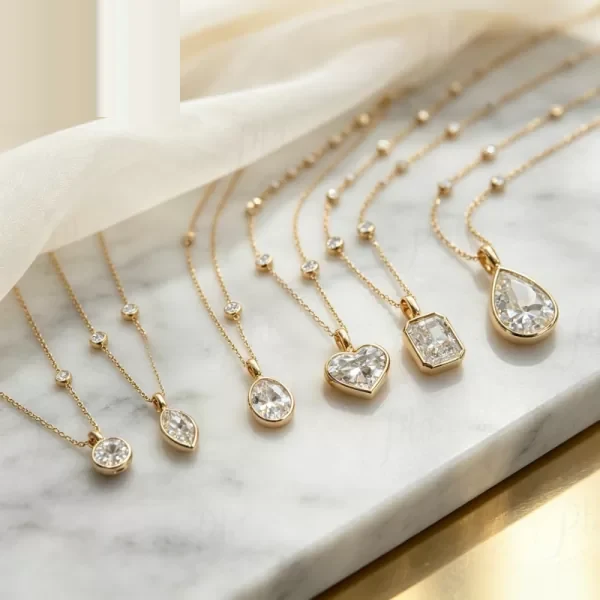
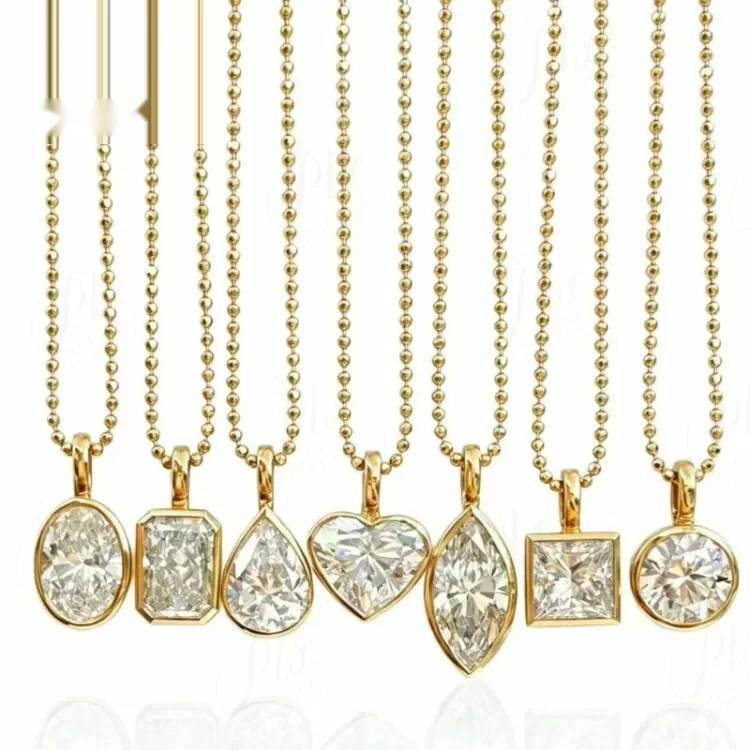
For stores selling fashion-tier sets, gold plated over brass or sterling silver keeps unit cost low and lets you price the full set aggressively. For boutiques building a bridal or gifting line, gold vermeil offers a heavier gold layer over 925 sterling silver and supports a higher retail story.
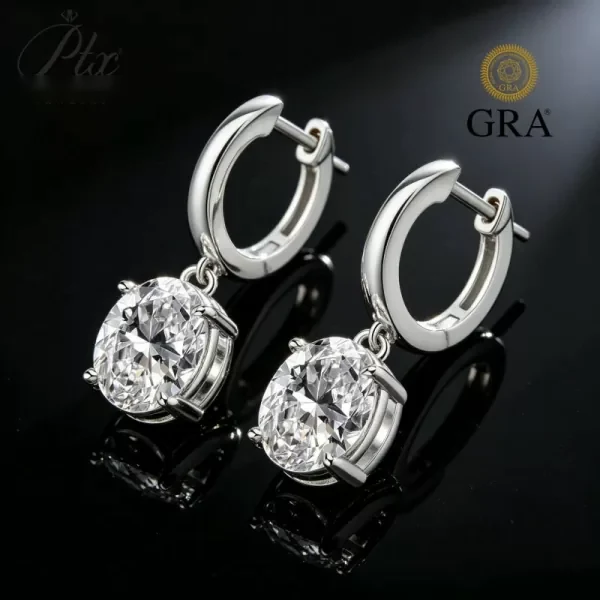
For fine jewelry departments, 10K, 14K, or 18K solid gold sets justify their cost through durability and resale language, especially when paired with graded stones that arrive with GRA or IGI papers.
Comparing the Common Metal and Finish Options for Sets
The table below summarizes the options a wholesale buyer will typically see on supplier spec sheets for jewelry sets. Use it as a baseline when comparing quotes from different factories, and confirm every line in writing before approving a sample.
| Material | Typical Use in Sets | Durability Notes | Accurate Listing Language |
|---|---|---|---|
| 925 sterling silver | Frames, chains, posts | Tarnishes without care; rhodium plating slows it | "925 sterling silver" or "sterling silver, rhodium plated" |
| Gold vermeil | Gifting and bridal sets | Heavy gold layer over a sterling silver base | "Gold vermeil over 925 sterling silver" |
| Gold plated | Fashion and trend sets | Thin layer; lifespan varies with thickness | "Gold plated" with base metal named |
| 10K/14K/18K solid gold | Fine jewelry sets | Highest durability and long-term value | "14K solid gold" with karat stated |
Two points on this table deserve attention. Vermeil is not a synonym for plated; under FTC rules it requires a sterling silver base, so a factory quoting vermeil on a brass base is mislabeling, and that error will follow you into your listings. Solid gold, meanwhile, is priced per piece with karat weight factored in, while loose stones for set building are sold by the carat, so request both numbers separately on any custom quote.
Reading a Supplier Spec Sheet Line by Line
A usable spec sheet for a jewelry set should name four things for each component: base metal, plating layer and thickness where applicable, stone type, and setting metal.
If a quote lists "gold set with moissanite," push back until it reads something like "gold plated brass frame with prong-set moissanite, 925 sterling silver chain and posts." Moissanite itself should be described as a lab-created diamond alternative, never as a natural diamond, and graded stones should come with GRA or IGI papers so your customers receive documentation with each set.
Where Sets Most Often Hide Undisclosed Metals
Clasps and extenders are the most common hideouts for cheaper alloys, since buyers rarely inspect them. Earring backs are second; some suppliers ship sterling sets with plated backs to cut cost. Extender chains on bracelets may differ from the main chain in both base metal and plating. Ask the factory to list components individually in the spec sheet, and check each one against the sample when it arrives.
Plating Color Consistency Across a Set
Even when every component uses the same plating, pieces produced in separate runs can sit at slightly different points on the color spectrum, which shows up when the set is displayed together. Ask how the factory controls color matching across components, whether plating batches are kept together for one order, and whether the pre-shipment inspection includes a side-by-side color check of all pieces in the set.
Understanding QC Coverage for Multi-Piece Orders
A three-stage QC process, meaning incoming material inspection, in-process checks, and a pre-ship AQL inspection, is what keeps a 30-piece custom set order consistent from first unit to last. Confirm which defects the AQL inspection screens for, and whether color and finish are inspected across the whole set rather than piece by piece. Suppliers running this structure can usually show inspection records on request, and those records are worth keeping with your purchase file.
Pricing and Order Terms for Custom Versus Stock Sets
Stock set styles carry a minimum order quantity of 1 piece, which makes them the low-risk way to test a metal spec before committing. Custom work requires 30 pieces per style, so any metal or finish decision on a custom set deserves a sample first. Sampling takes 7 to 10 days and bulk production runs 15 to 25 days after approval, so build your buying calendar around those windows rather than around your launch date.
Pricing is quoted per piece or per carat depending on the item, and a set that includes graded loose stones may mix both. Payment terms are T/T with a 30 percent deposit and the 70 percent balance before shipment, while sample orders can be paid through PayPal, which gives you a low-friction way to vet a new factory.
Once finished, DDP delivery to the US takes 5 to 8 days, meaning duties and clearance are handled before the goods reach your door, and your landed cost stays predictable.
Turning Disclosures Into Listing Copy That Sells
Accurate disclosure is a selling tool, not just a compliance step. A listing that reads "14K solid gold three-piece set with GRA-certified moissanite" answers the questions a serious buyer asks and competes against vague listings from competitors. For plated sets, state the base metal and the plating in the first line of the description and add care guidance, since customers who know how to maintain a plated finish are far less likely to file a complaint when wear appears.
A Simple Checklist for Your First Set Order
- Request the base metal for every component, including posts, clasps, and extenders.
- Confirm plating thickness and plating method in writing for vermeil or plated sets.
- Verify stone type and grading papers, with GRA or IGI papers for graded stones.
- Order a sample of any stock style before scaling, and a full spec sheet for custom work.
- Keep the approved spec sheet with your purchase file for reference at inspection.
Buyers who document their specs this way find that supplier conversations become faster and reorder quality becomes more consistent, because everyone is working from the same written standard rather than from memory.
Order Terms for Wholesale Buyers
MOQ is 1 piece for stock styles and 30 pieces for custom work, and loose stones are sold by the carat. Sampling takes 7 to 10 days, and bulk production runs 15 to 25 days after the sample is approved. Pricing is quoted per piece or per carat depending on the item. Payment is T/T with a 30% deposit and the 70% balance before shipment, and PayPal is accepted for sample orders.
Frequently Asked Questions
Can I mix metals across the pieces in one jewelry set?
You can, and some buyers do it deliberately, such as a 14K solid gold necklace paired with vermeil earrings to control cost. The key is that every piece is disclosed accurately in your listing so the customer knows what they are buying. Ask the supplier to document each component separately on the spec sheet.
How do I verify a vermeil claim before listing a set?
Ask the factory to confirm in writing that the base metal is 925 sterling silver, since vermeil requires a sterling silver base under FTC guidance. Check the sample for stamps and review the material certificates if the supplier provides them. If the base is brass or another alloy, the correct label is gold plated, not vermeil.
What documentation should come with moissanite jewelry sets?
Graded moissanite stones should arrive with GRA or IGI papers that match the stones in the set. These papers let you pass documentation through to your customer and support the description in your listing. Confirm at sampling that the papered stones are the same stones that ship in bulk.
Is a sample order enough to judge finish quality?
A sample shows you the finish standard the factory can hit, which is a strong signal, but bulk consistency depends on their QC structure. Ask how incoming, in-process, and pre-ship AQL inspections apply to your set order. For custom runs of 30 pieces, request that the approved sample be used as the finish reference during inspection.
How should I plan my timeline for a custom jewelry set?
Sampling takes 7 to 10 days, and bulk production runs 15 to 25 days after you approve the sample. Add DDP shipping time of 5 to 8 days to the US to arrive at a realistic in-stock date. Plan your launch after the balance payment and shipment, not before.
Start With a Clear Spec, Then Scale With Confidence
Metal type and finish disclosure is the difference between a jewelry set line that generates repeat customers and one that generates returns. Get the base metals, plating details, and stone documentation in writing, sample before you scale, and hold bulk production to the approved sample through a three-stage QC process.
When you are ready to compare options, browse our available wholesale jewelry sets and matching pieces to see current stock styles, or read more buying guides on our jewelry wholesale blog to sharpen your sourcing checklist. To request a quote, spec sheet, or sample for a custom set, reach out through our contact page and our team will walk you through the next steps.
Sources: Grading references: GIA gem education and GIA laboratory information.