Wholesale Jewelry Sets: MOQ, Sample Order & Bulk Pricing

Why MOQ Planning Matters for Jewelry Sets
For wholesale buyers, jewelry sets carry a different MOQ structure than single-piece items: stock styles can be ordered at 1 piece, while custom work requires a 30 piece minimum. That distinction shapes how you plan your first order, how much budget you commit upfront, and how quickly you can test a new set design with your customers.
Because a set typically includes matched earrings, a pendant, and sometimes a bracelet or ring, the per-unit cost is higher than a solo piece, so the difference between ordering one sample and committing to 30 custom units is significant. This guide walks through the practical decisions around MOQ and sample planning so you can build a jewelry sets program without overcommitting capital.
Understanding the Two MOQ Paths
The first decision every buyer faces is whether to start with stock styles or go custom. Stock styles are finished designs already in production. You can order 1 piece, evaluate the packaging, photograph it for your store, and see how it sells before reordering in volume. This path suits new buyers, small boutiques, and anyone testing a market segment for the first time.
Custom work follows different rules. With a 30 piece minimum per design, you are committing to a production run, which means your design decisions, stone choices, and metal selection need to be finalized before you place the order. Custom suits established retailers who have validated demand and want exclusive designs that competitors cannot source. The 30 piece threshold is per style, so you can split a launch across two or three custom set designs and still keep individual runs manageable.
How Sets Differ From Single Pieces
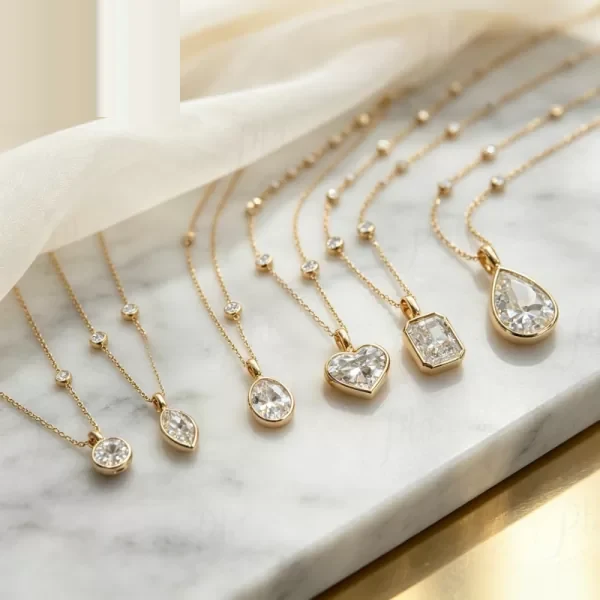
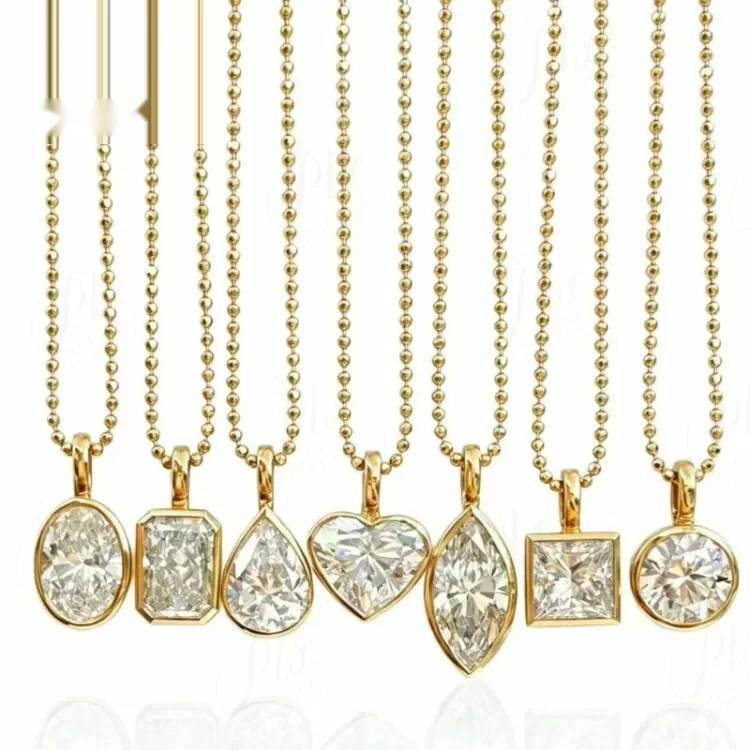
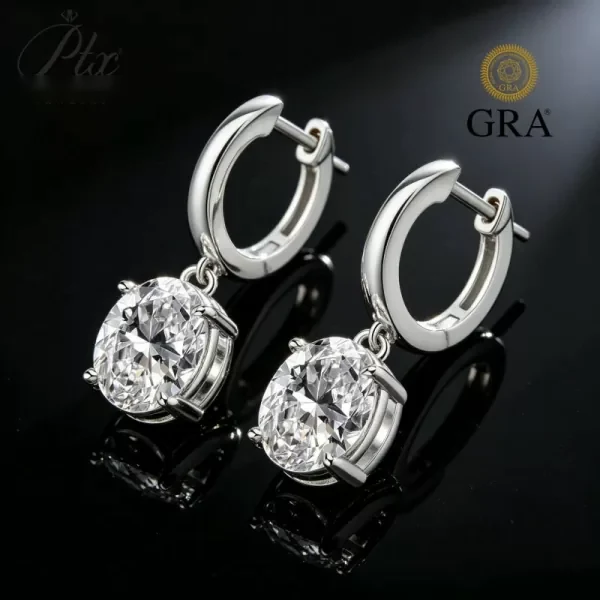
A jewelry set is a coordinated group, and each component adds cost and complexity. Matching stones across a pendant and earrings means grading consistency matters across multiple units, not just one. Ask your supplier how stones are matched and whether GRA or IGI papers cover the graded stones in the set. Loose stones are sold by the carat, so carat weight per component directly affects your landed cost.
When you model your margin, price each set as a bundle but also check whether the components could sell individually at retail, since that flexibility increases the ways you can move inventory.
Choosing Between Stock and Custom for Your First Order
A common approach is a hybrid: order 1 piece of two or three stock jewelry sets as samples, confirm quality and presentation, then take your best performer into a custom 30 piece run with small design changes. This lets market data, not guesswork, drive your custom commitment. Buyers who skip the stock sampling stage often discover fit, clasp, or chain length issues only after a full production run, which the 30 piece minimum makes costly to correct.
Sample Order Planning Step by Step
Sampling takes 7 to 10 days from design confirmation to a finished sample in hand. Plan around that window rather than treating it as a formality. Use the sample stage to verify the items below before any bulk commitment.
- Stone match and consistency across all components in the set
- Metal finish on 925 sterling silver, gold vermeil, or 10K/14K/18K solid gold options
- Clasp strength, chain length, and earring post comfort
- Packaging presentation and how the set photographs for your listings
- Grading paperwork for the stones, whether GRA or IGI
Sample orders are typically paid through PayPal, which keeps the transaction simple and low risk for a first engagement with a new supplier. Bulk orders move to T/T terms with a 30 percent deposit and the 70 percent balance due before shipment. Budgeting for both payment stages keeps your cash flow predictable across the sampling and production cycle.
What to Evaluate in a Sample Set
Handle the sample the way a customer would. Open the box, try the clasp, check the pendant bail, and wear the earrings for a full day. Inspect the stone setting under magnification and confirm the grading report matches the stone in front of you. Document any issues in writing so your supplier can correct them in bulk production. A sample that passes this review becomes your reference standard for the pre-ship inspection later.
Timing Your Sample Around a Launch Calendar
Work backward from your launch date. Allow 7 to 10 days for sampling, then 15 to 25 days for bulk production after you approve the sample, then 5 to 8 days for DDP delivery to the US. A realistic planning window from first sample to stock on your shelf runs roughly four to six weeks for a custom set. Holiday and Valentine's Day launches need extra buffer because production queues tighten ahead of peak seasons.
Bulk Production and Quality Control After Sampling
Once a sample is approved, bulk production runs 15 to 25 days. During this window, quality control happens in three stages: incoming inspection of raw materials and stones, in-process checks during assembly, and a pre-ship AQL inspection before the goods leave the factory. As the buyer, you can request the pre-ship inspection report and, for custom runs at the 30 piece level, ask for photos of production units against your approved sample.
This three-stage process is your main protection against receiving sets that drift from the sample standard.
Pricing is quoted per piece for finished sets or per carat for loose stones, depending on the item. For sets, confirm whether the quote covers the full bundle with packaging or each component separately. A clear per-piece quote for the complete set avoids disputes when the balance payment is calculated before shipment.
Cost and Timeline Overview for Buyers
The table below summarizes the two paths so you can compare commitments side by side before deciding where to start.
| Path | Minimum Order | Lead Time | Payment Terms |
|---|---|---|---|
| Stock styles | 1 piece | Ships from stock | PayPal for samples |
| Custom work | 30 pieces | 15 to 25 days | T/T 30/70 split |
| Sample stage | 1 sample | 7 to 10 days | PayPal |
| US delivery | Per shipment | 5 to 8 days DDP | Balance before ship |
Reading the table, the stock path minimizes risk and gets product to market quickly, while the custom path trades a 30 piece commitment for exclusive designs. Most buyers move from the first row to the second only after sell-through data justifies it. DDP delivery means duties and shipping are handled to your US door in 5 to 8 days, which simplifies landed cost calculations on both paths.
Common MOQ Mistakes and How to Avoid Them
Buyers new to jewelry sets tend to make predictable errors. Each one is avoidable with a small amount of planning at the sampling stage.
- Ordering a custom 30 piece run before testing a stock version of a similar design
- Not confirming whether grading papers are GRA or IGI for every stone in the set
- Underestimating total lead time by ignoring the 5 to 8 day DDP transit window
- Skipping a written sample approval, which weakens the reference for the pre-ship AQL inspection
- Assuming vermeil or plated finishes are solid gold instead of confirming 10K/14K/18K solid gold or 925 sterling silver in writing
Splitting a Custom Run Across Multiple Set Designs
If your budget supports 60 units, consider two custom designs at 30 pieces each rather than one design at 60. Two styles give your collection breadth and reduce the risk of a single design underperforming. Confirm with your supplier that the 30 piece minimum applies per style, then plan production scheduling so both runs move through the 15 to 25 day window together.
Managing Metal and Finish Expectations
Name the metal accurately in every quote and listing. 925 sterling silver, gold vermeil, and gold plated finishes each carry different price points and care requirements, while 10K, 14K, and 18K solid gold sit at the top of the range. Moissanite is a lab-created diamond alternative and should be described exactly that way in your product copy, never as a natural or real diamond.
Clear terminology protects your listings from returns and platform policy issues on marketplaces like Amazon and Etsy.
Order Terms for Wholesale Buyers
MOQ is 1 piece for stock styles and 30 pieces for custom work, and loose stones are sold by the carat. Sampling takes 7 to 10 days, and bulk production runs 15 to 25 days after the sample is approved. Pricing is quoted per piece or per carat depending on the item. Payment is T/T with a 30% deposit and the 70% balance before shipment, and PayPal is accepted for sample orders.
Frequently Asked Questions
Can I order just one jewelry set to test the market?
Yes. Stock styles carry a 1 piece minimum, so you can order a single set to evaluate quality, packaging, and demand. If you later want an exclusive design, custom work begins at 30 pieces per style.
How long does the full process take from sample to delivery?
Sampling takes 7 to 10 days, bulk production runs 15 to 25 days after sample approval, and DDP delivery to the US takes 5 to 8 days. Plan roughly four to six weeks end to end for a custom set, and add buffer before peak retail seasons.
What payment terms apply to jewelry set orders?
Sample orders are typically paid via PayPal. Bulk orders use T/T terms with a 30 percent deposit and the 70 percent balance due before shipment.
Are the stones in jewelry sets graded and certified?
Graded stones come with GRA or IGI papers, which you can request copies of during sampling. Loose stones used in custom sets are sold by the carat, so carat weight is documented in your quote.
How is quality controlled during bulk production?
Three inspection stages apply: incoming material checks, in-process checks during assembly, and a pre-ship AQL inspection. You can request the pre-ship report and production photos matched against your approved sample.
Plan Your Jewelry Sets Order With Confidence
The strongest MOQ strategy starts small and scales on evidence: order 1 piece stock samples, validate quality and sell-through, then move winning designs into 30 piece custom runs with a clear sample standard, three-stage QC, and DDP delivery to your door in 5 to 8 days.
Browse the current jewelry sets catalog on our products page to compare stock styles and stone options, read more buying guides on our blog, or request a sample quote and custom design consultation through our contact page to start your sampling plan this week.
Sources: Grading references: GIA gem education and GIA laboratory information.