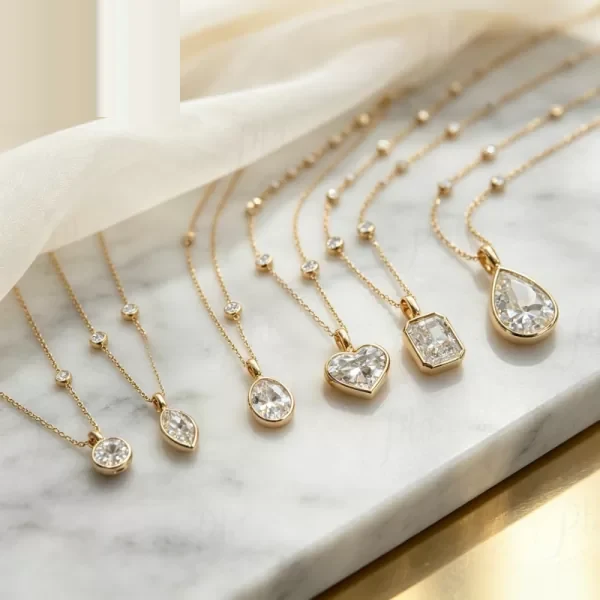
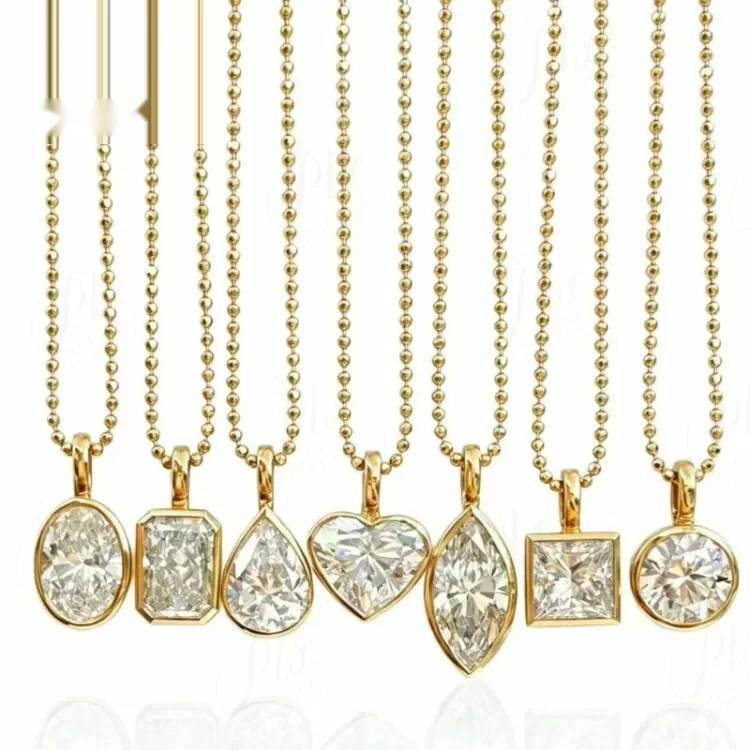
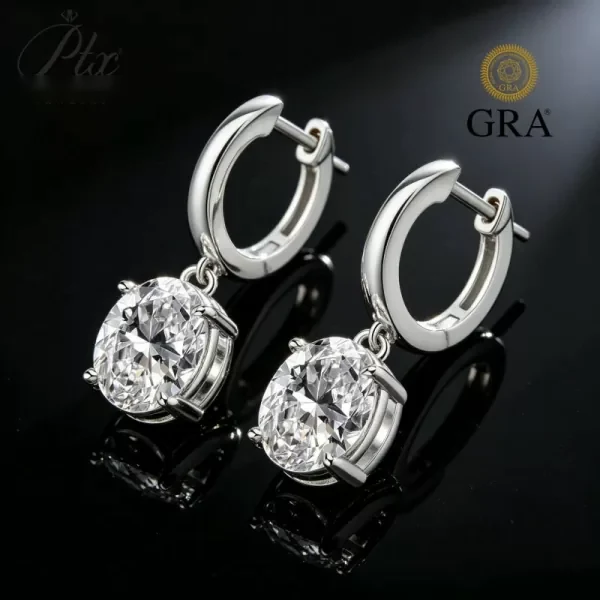
Jewelry Sets Wholesale: metal & finish
Why Metal Type and Finish Disclosure Matters for Jewelry Sets
Jewelry sets are among the most specification-sensitive products a wholesale buyer can order, because a single set may combine a necklace, earrings, and a bracelet that must match in color, weight, and finish. If the metal type and finish are not disclosed accurately, the entire set can look inconsistent on arrival, and your retail buyers will notice. Clear disclosure protects your margins, reduces returns, and keeps your product listings compliant with US marketing rules.
This article breaks down the practical decisions you need to make before ordering a jewelry set, so the metal and finish you approve is the metal and finish that ships.
Know Your Metal Options Before You Quote
Every jewelry set should be quoted against a clearly named base metal. The common options for sets in the US wholesale market are 925 sterling silver, 10K, 14K, or 18K solid gold, gold vermeil, and gold plated finishes. Each carries a different price point, durability profile, and marketing claim, so the choice shapes both your landed cost and how you can legally describe the product.
Solid Sterling Silver Sets
925 sterling silver is a reliable base for sets that need to match across multiple pieces. It takes rhodium plating well, which produces the bright white finish many US shoppers expect. Sterling silver sets work especially well with moissanite stones, since a lab-created diamond alternative paired with a genuinely precious metal supports a credible retail story at an accessible price.
Solid Gold Sets for Premium Tiers
10K, 14K, and 18K solid gold sets occupy your highest price tier. Solid gold resists tarnish and can be described as solid gold in listings without qualification. For sets, confirm the karat grade for every component, not just the necklace. Earring posts and clasps are sometimes finished differently from the main body, and a mismatch is exactly the kind of disclosure gap this article is about preventing.
Vermeil and Plated Finishes
Gold vermeil is a thicker gold layer over sterling silver, while gold plated is a thinner layer that can sit over brass or other base metals. Both are legitimate product choices, but neither may be marketed as solid gold. In your listings, name the finish explicitly and state the base metal. A plated set sold at a vermeil price is one of the most common wholesale disputes, and it is avoidable with a written specification.
Writing a Set Specification Sheet
Before requesting a quote, document the set as a whole and as individual pieces. A short specification sheet keeps both sides aligned and becomes your reference point during quality inspection.
- Metal type for each component: necklace, earrings, bracelet, and clasp or post metal
- Finish type: rhodium, gold vermeil, or gold plated, with plating thickness if offered
- Stone type and grading: moissanite stones with GRA or IGI papers where applicable
- Weight per piece, since sets are priced per piece and loose stones per carat
- Packaging requirements, if the set must ship as a matched presentation box
When you send this sheet to a supplier, ask for written confirmation of each line. A supplier who will not confirm base metal in writing is a supplier to treat carefully.
How Finish Choice Affects Set Matching
Sets are judged by consistency. Three earrings or a bracelet that reads slightly warmer or cooler than the necklace will generate customer complaints even if each piece is individually acceptable. Finish choice is the main lever for controlling this.
Plating Batch Consistency
Plated and vermeil finishes are applied in batches. When a large jewelry set order is split across plating batches, small color shifts can appear. Ask your supplier whether the full set quantity will be finished in a single batch, and request a golden sample that all pieces are matched against before shipping. This is a routine request for a factory that handles sets regularly.
Rhodium on Silver Sets
For sterling silver sets, rhodium plating is the standard finish for the white look US retail customers expect. It also slows tarnish during the retail cycle. Confirm whether the rhodium layer covers all contact points, including earring posts and clasps, since bare silver on those components will darken faster than the plated body.
Quality Control Stages That Verify Metal and Finish
Metal and finish claims should be verified at three stages: incoming material inspection, in-process checks during production, and a pre-ship AQL inspection. Incoming inspection confirms the base metal and stones match the specification. In-process checks catch plating color drift before a full run is finished. The pre-ship AQL inspection verifies the finished set against your approved sample, including finish uniformity across all components.
Ask for the pre-ship inspection report before the balance payment. Reviewing that report alongside your golden sample photos is the most practical way to confirm the set you approved is the set that ships.
Comparing Metal Options at a Glance
The table below summarizes how the main metal and finish options for jewelry sets differ in marketing language and typical buyer use.
| Option | Base Metal | Listing Claim | Typical Use |
|---|---|---|---|
| Solid gold | 10K, 14K, or 18K gold | Solid gold, karat named | Premium retail tier |
| Gold vermeil | 925 sterling silver | Vermeil over silver | Mid-tier fashion lines |
| Gold plated | Brass or similar | Gold plated, base named | Volume fashion sets |
| Sterling silver | 925 silver | Sterling silver, often rhodium | Bridal and gift sets |
Use this comparison to set your retail description and price tier before you request quotes. Aligning the metal option with your channel early prevents re-quoting later and keeps your set pricing coherent across the range.
Commercial Terms That Fit Set Orders
Metal choice drives cost, so understand the payment structure before committing. Production orders run on T/T terms with a 30 percent deposit and the 70 percent balance before shipment, while sample orders can be paid through PayPal. Sampling takes 7 to 10 days, which is your window to verify finish color and weight against your specification sheet. Bulk production takes 15 to 25 days after sample approval.
Minimum order quantities are straightforward: stock styles start at 1 piece, while custom work requires 30 pieces. If you are testing a new set design in a specific metal, a single-piece stock order or a PayPal-paid sample lets you check the finish before you commit to the custom quantity. Loose stones for custom sets are priced per carat, and finished pieces per piece, so keep those two pricing lines separate in your cost sheet.
For delivery, DDP shipping to the US takes 5 to 8 days. DDP means duties and clearance are handled before the goods reach you, which simplifies landed-cost calculation for your plated, vermeil, and solid gold lines alike.
Order Terms for Wholesale Buyers
MOQ is 1 piece for stock styles and 30 pieces for custom work, and loose stones are sold by the carat. Sampling takes 7 to 10 days, and bulk production runs 15 to 25 days after the sample is approved. Pricing is quoted per piece or per carat depending on the item. Payment is T/T with a 30% deposit and the 70% balance before shipment, and PayPal is accepted for sample orders.
Frequently Asked Questions
Can I mix metal types within one jewelry set order?
Yes, but treat each metal type as its own line item with its own specification and pricing. For example, a sterling silver necklace with gold plated earrings should be documented that way, not described as a single gold set.
How do I verify vermeil thickness before bulk production?
Request a written finish specification with the sample order and compare the approved sample against production photos during the pre-ship AQL inspection. If plating thickness data is available, ask for it in writing alongside the sample confirmation.
Do moissanite stones in sets come with grading papers?
Graded stones are accompanied by GRA or IGI papers. Confirm at the quotation stage whether your chosen stones include papers, since that affects both cost and the documentation you can pass to your retail customers.
What should I check during the 7 to 10 day sampling window?
Compare finish color across every piece in the set, weigh each component against the specification sheet, and review any stone papers. Approve the sample only when all pieces match, because the approved sample becomes the reference for bulk production.
What payment terms apply to a first set order?
Sample orders can be paid by PayPal, which suits the 7 to 10 day sampling stage. Bulk production runs on T/T with a 30 percent deposit and the 70 percent balance before shipment, typically after you review the pre-ship inspection report.
Build Your Jewelry Set Line on Clear Specifications
Metal type and finish disclosure is not paperwork for its own sake. It determines how you can describe your jewelry sets, how consistently your sets match, and how smoothly your orders move from sample to shipment. Start with a written specification sheet, verify the finish at the sampling stage, and confirm the pre-ship inspection before releasing the balance payment.
Ready to source jewelry sets with the metal and finish documented up front? Browse available styles and loose stones in our product catalog, read more buying guides on sourcing and quality control in our wholesale jewelry blog, or request a quote and sample through our contact page.
Sources: Grading references: GIA gem education and GIA laboratory information.