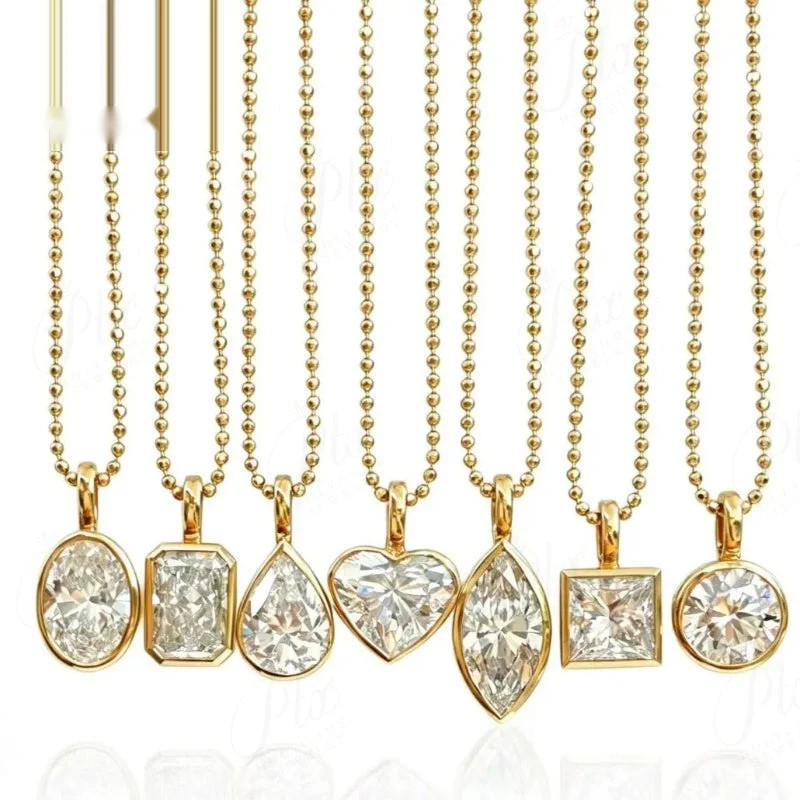
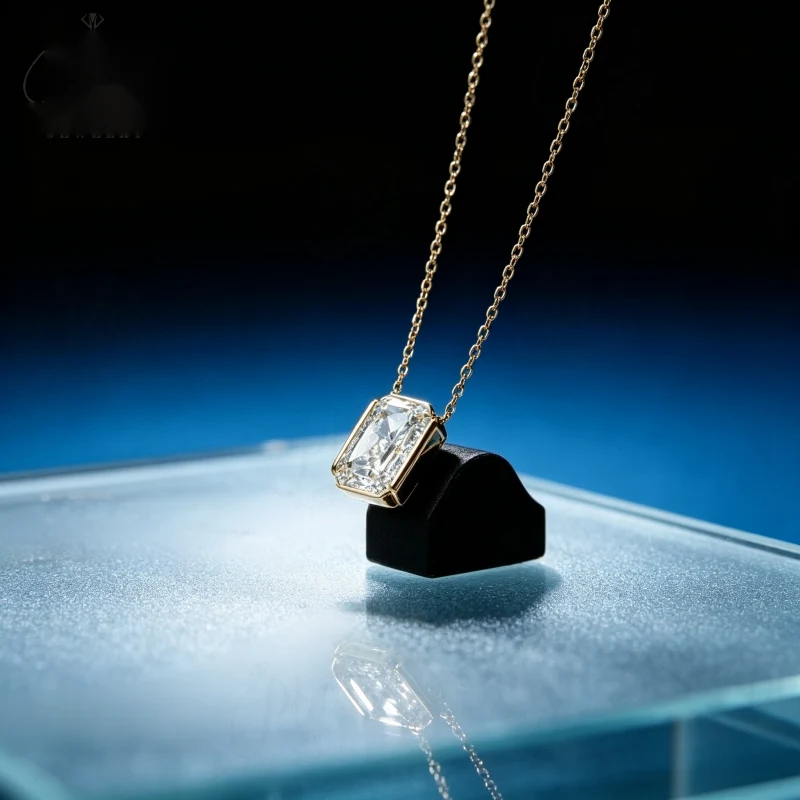
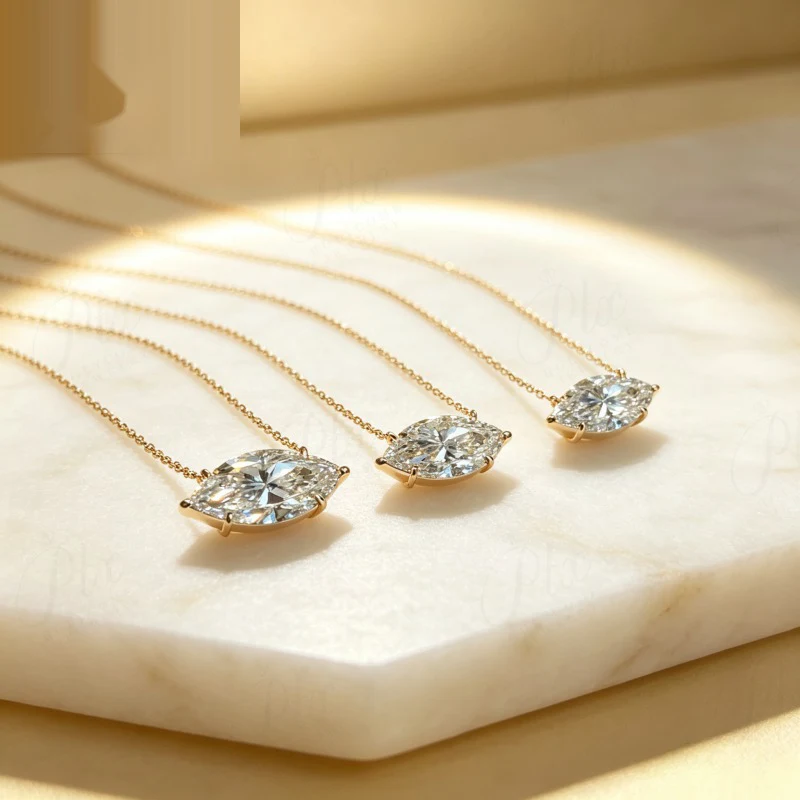
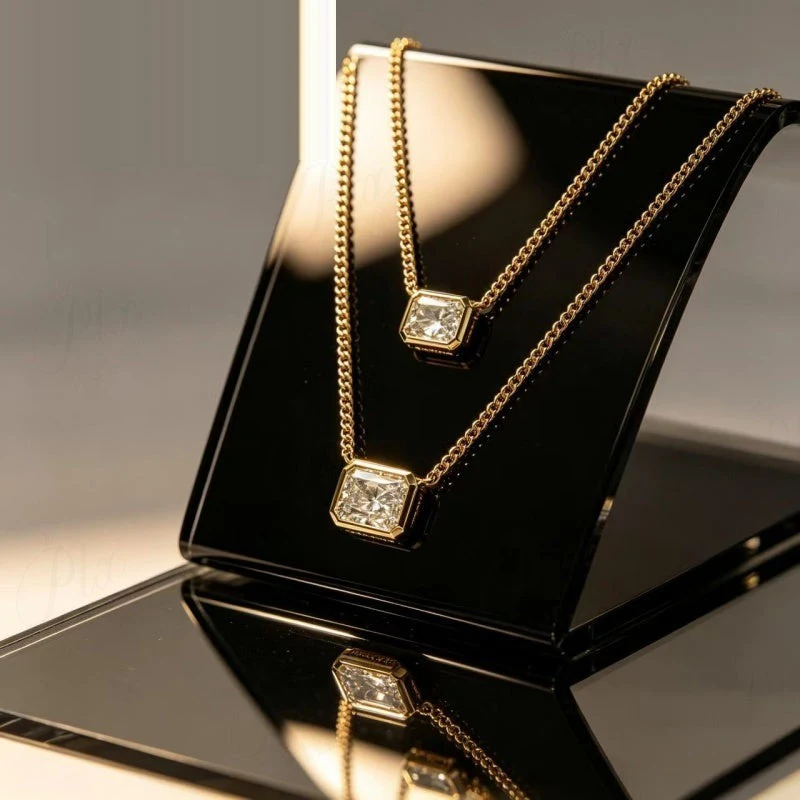
Wholesale Lab Grown Diamonds: DDP Shipping, Freight & Customs

Lab Grown Diamonds and DDP Shipping: What Wholesale Buyers Need to Know
Lab grown diamonds can be delivered to your US warehouse on DDP terms in 5 to 8 days, with duties, taxes, and customs clearance handled before the goods reach your door. For wholesale buyers, this matters as much as stone quality: a shipment held in customs ties up working capital and delays your own delivery commitments to retail accounts.
This guide covers the practical shipping decisions you face when ordering lab grown diamonds and finished jewelry from an overseas supplier, from selecting a shipping mode to understanding exactly what DDP includes.
Why Shipping Terms Shape Your True Landed Cost
Wholesale buyers often compare quotes on a per-carat or per-piece basis and overlook the delivery terms behind those numbers. A lower unit price quoted on EXW or FOB terms can cost more overall once you add freight, insurance, customs brokerage, and import duties. Under DDP delivery, the seller carries the shipment through US customs and delivers to your address with those costs already built in.
The figure on the quotation is then much closer to your real landed cost, which makes margin planning straightforward.
DDP is particularly useful for lab grown diamonds and diamond jewelry because the documentation demands are strict. Each graded stone travels with its GRA or IGI certificate, and the commercial invoice must match carat weight, stone count, and metal content exactly. A supplier that runs DDP shipments to the US on a routine basis has already built those documentation workflows, so your consignment clears without surprises.
What DDP Covers and What It Does Not
Under DDP, the seller pays international freight, export clearance, US import duties, and final delivery to your specified address within the quoted 5 to 8 day window. You do not hire a separate customs broker or file entries yourself. DDP does not cover delays caused by inaccurate buyer information, so provide a correct consignee name, delivery address, and tax identification before production finishes.
Confirm the risk transfer point as well: with DDP the seller carries responsibility until goods are delivered, which is why a pre-ship inspection before dispatch is such a valuable checkpoint.
Matching Shipping Modes to Your Order Type
Not every order should move the same way. A sample order of three pendant mounts and a bulk order of 300 tennis bracelets have different priorities: speed on one side, cost per unit on the other. Most US-bound lab grown diamond consignments move by air, but the service level you choose changes both transit time and freight cost structure.
The table below compares the modes a wholesale buyer will encounter when moving lab grown diamonds and finished jewelry to the United States.
| Mode | Typical transit | Best suited for | Cost profile |
|---|---|---|---|
| Express courier | 3 to 5 days | Samples, loose stones | Highest per kilogram |
| Air freight | 5 to 8 days | Bulk DDP orders | Mid-range, volume rates |
| Consolidated air | 7 to 10 days | Multiple purchase orders | Lower per unit |
Express courier suits sample orders because the parcel is small, tracked door to door, and fast enough to support a 7 to 10 day sampling cycle. Air freight is the standard mode for DDP bulk shipments, balancing the 5 to 8 day delivery window against cost.
Consolidation makes sense when several purchase orders mature in the same production window; combining them into one air shipment lowers the freight share per unit, though you should confirm that holding one PO to consolidate does not push past your own sell-in dates.
Shipping Loose Stones Versus Finished Jewelry
Loose lab grown diamonds sold by the carat and finished jewelry set in 925 sterling silver or solid 10K/14K/18K gold carry different risk profiles in transit. Loose stones are high value in a small parcel, so express courier with full tracking and signature on delivery is the norm. Finished jewelry is bulkier and heavier, so it moves more economically by air freight, especially on DDP terms where the supplier books the carriage.
In both cases, the packing list, invoice, and certificate references must align; mismatches between a GRA or IGI report number and the invoice line are among the most common causes of customs queries.
Insurance and Valuation Questions to Settle Before Dispatch
Ask how the shipment is insured and at what declared value. Under DDP the seller arranges carriage, so clarify in writing whether the declared value on the airway bill matches the commercial invoice and whether the insurance covers the full invoice value of the goods. Under-insured shipments shift risk back onto you if anything goes wrong in transit.
For lab grown diamond orders, the certificate values give an objective basis for the declared figure, which also helps customs assess duties without queries.
How Lead Times Stack: Sampling, Production, and Shipping
Shipping time is only the last stage. Plan your calendar around the full sequence. Sampling takes 7 to 10 days, bulk production runs 15 to 25 days after sample approval, and DDP delivery to the US adds 5 to 8 days. A buyer approving a sample in week one can expect bulk goods at their US door roughly five to seven weeks later.
Build that total into your buy plan rather than counting only production days, and you will avoid the common trap of promising retail delivery dates based on factory output alone.
Sequencing Your Reorder Cycle Around DDP
Once you have a proven style, the reorder cycle shortens because sampling can be skipped or reduced. With stock styles, the minimum order quantity is 1 piece, which lets you test small top-ups before committing to a full production run of 30 pieces for custom work. Loose stones are sold by the carat, so replenishing setting stock for your workshops is a separate, faster cycle than finished jewelry production.
Align these cycles so your DDP shipments arrive on a predictable rhythm instead of in one large seasonal push.
Payment and Shipping: How the Terms Work Together
Payment structure and shipping terms interact more than buyers expect. Standard terms are T/T with a 30 percent deposit and a 70 percent balance before shipment, while sample orders can be paid by PayPal. Because the balance falls due before dispatch, your inspection window sits right at that payment point: the three-stage QC process of incoming checks, in-process checks, and pre-ship AQL inspection should be completed and reported before you release the balance.
Once goods ship on DDP terms, the seller controls the carriage and clearance, so the pre-ship stage is your main opportunity to verify stone grading papers, metal stamps, and piece counts.
Practical Checks Before You Release the Balance
Request photos or video of the pre-ship AQL inspection, confirm that every graded stone's GRA or IGI paper matches the invoice, and verify metal descriptions are exact: 925 sterling silver, 10K/14K/18K solid gold, gold vermeil, or gold plated. Clear descriptions at this stage also feed directly into the customs invoice, reducing the chance of a clearance delay during the 5 to 8 day DDP window.
Order Terms for Wholesale Buyers
MOQ is 1 piece for stock styles and 30 pieces for custom work, and loose stones are sold by the carat. Sampling takes 7 to 10 days, and bulk production runs 15 to 25 days after the sample is approved. Pricing is quoted per piece or per carat depending on the item. Payment is T/T with a 30% deposit and the 70% balance before shipment, and PayPal is accepted for sample orders.
Frequently Asked Questions
What does DDP mean for my lab grown diamond order?
DDP, or delivered duty paid, means the seller covers international freight, US import duties, and customs clearance, then delivers to your address. For lab grown diamond orders to the US, delivery on DDP terms takes 5 to 8 days. You receive goods at your door without dealing with brokers or duty payments.
Can I combine several orders into one shipment?
Yes, consolidation is a common way to reduce freight cost per unit when multiple purchase orders finish production around the same time. Confirm the combined packing list and invoice clearly separate each PO. Also check that consolidating does not delay any order past your retail delivery commitments.
How are loose stones shipped differently from finished jewelry?
Loose stones are compact and high value, so they typically move by tracked express courier with signature on delivery, accompanied by their GRA or IGI certificates. Finished jewelry is heavier and bulkier, making air freight on DDP terms more economical. Both require invoices that match certificate and metal details exactly.
When do I pay, and does that affect shipping?
Bulk orders are paid by T/T with a 30 percent deposit and the 70 percent balance before shipment; sample orders can use PayPal. Because the balance is due before dispatch, complete your review of the pre-ship AQL inspection first. Once the goods ship, the DDP window of 5 to 8 days begins.
How do I plan my calendar for a custom order?
Custom work carries a 30 piece minimum order quantity, with sampling at 7 to 10 days and bulk production at 15 to 25 days after approval. Add the 5 to 8 day DDP delivery time to reach your US door. A first-time custom order therefore runs roughly five to seven weeks from sample approval to delivery.
Next Steps for Your Lab Grown Diamond Program
Shipping and delivery terms reward buyers who plan them as carefully as stone selection. Decide early whether a given order moves by courier or air freight, request consolidation when order calendars allow, and confirm DDP coverage, insurance, and documentation before you release the balance. To review available lab grown diamonds and finished styles, browse the catalog on our lab grown diamonds and jewelry product catalog.
For more buying guidance on grading papers, minimums, and production planning, read the articles in our wholesale jewelry buying blog. To request a sample, confirm DDP shipping for your address, or discuss a custom order, reach out through our wholesale inquiry contact page.
Sources: Grading references: GIA gem education and GIA laboratory information.