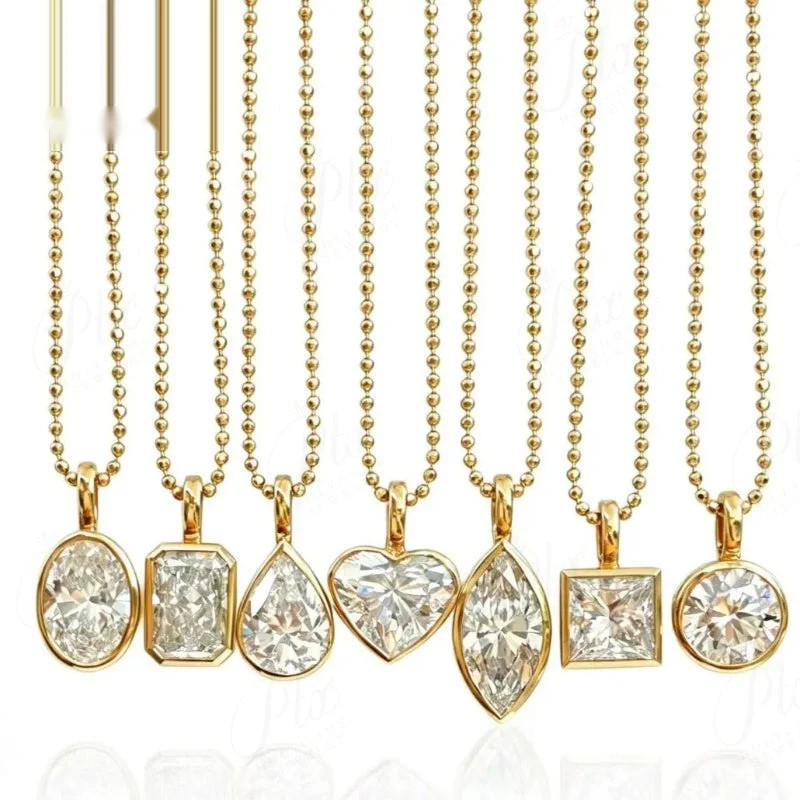
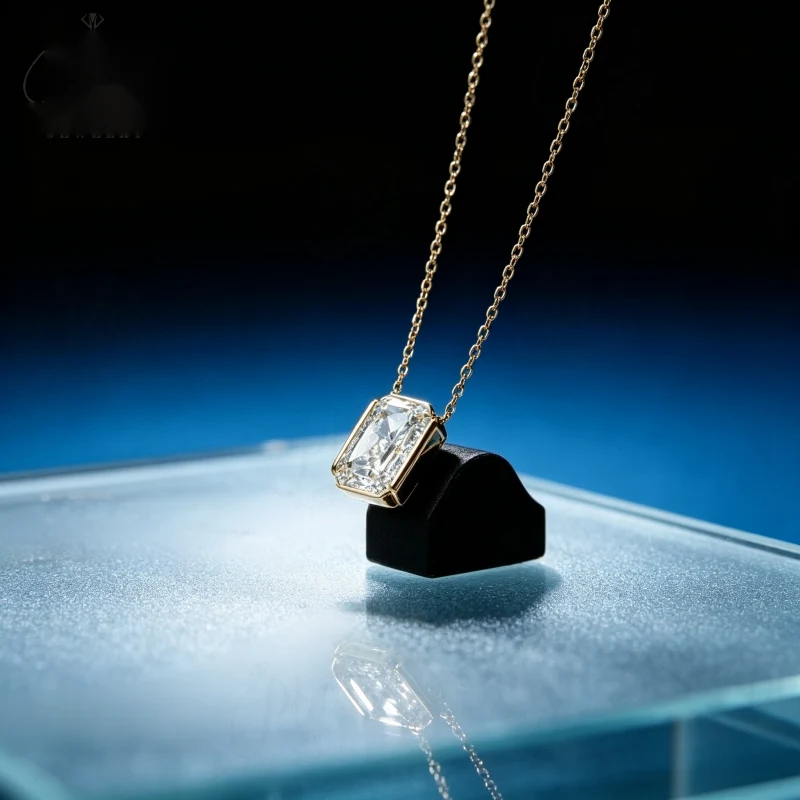
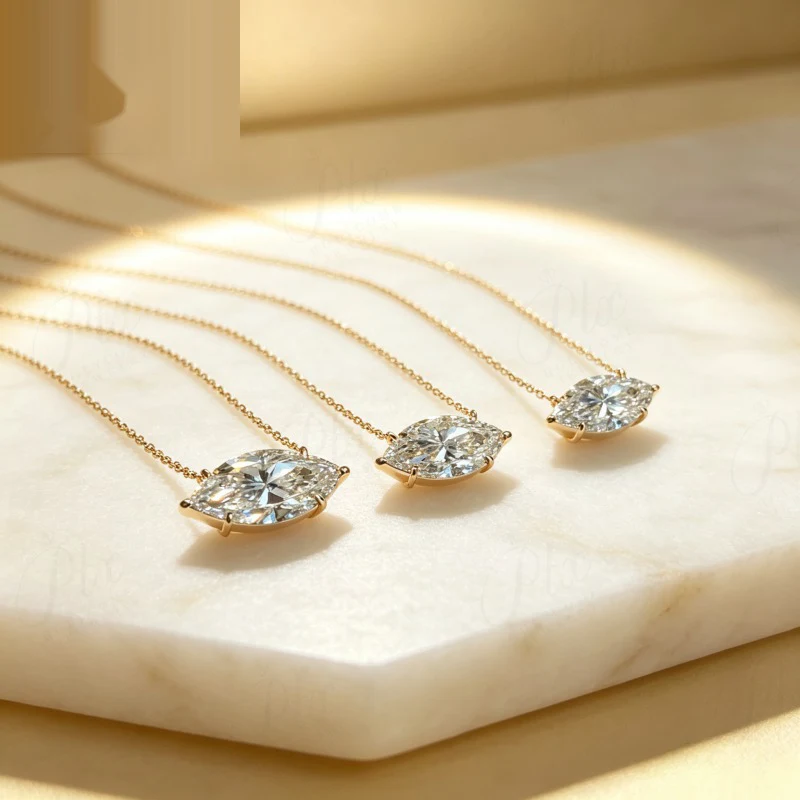
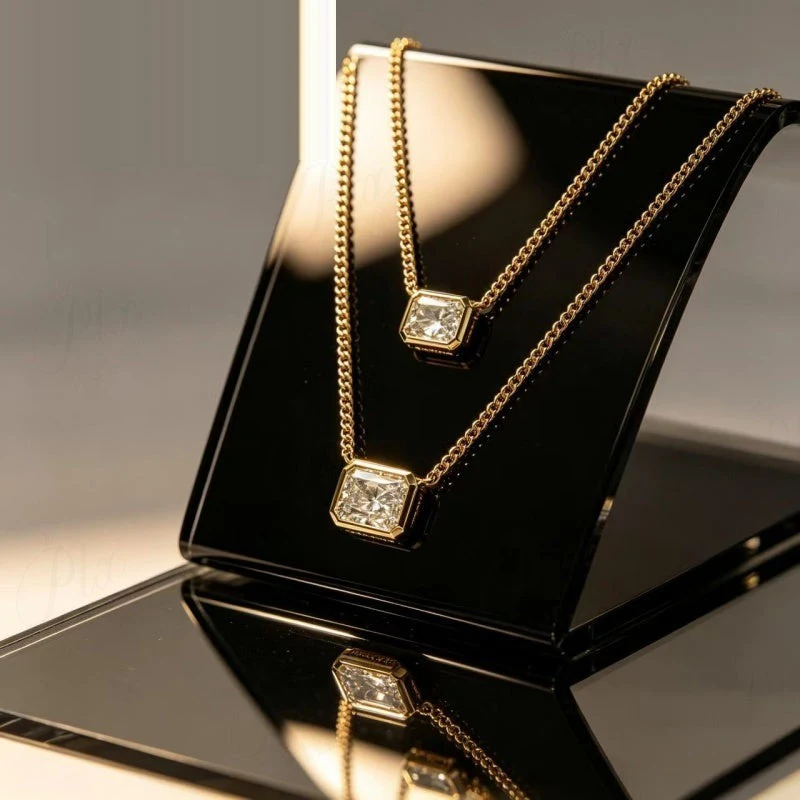
Wholesale Lab Grown Diamonds: Moissanite vs CZ: What to Compare

Lab Grown Diamonds vs Moissanite vs CZ: How Wholesale Buyers Should Choose
Choosing between lab grown diamonds, moissanite, and cubic zirconia comes down to matching each stone to the right product tier, price point, and customer expectation. Lab grown diamonds carry the strongest resale story and the highest material value, moissanite delivers diamond-like fire at a mid-range cost, and CZ serves fashion jewelry at entry-level pricing. For a wholesale buyer, the smartest catalog usually includes all three, each positioned clearly so retail customers know exactly what they are buying.
This article breaks down the practical selection decisions: stone properties, certification, metal pairing, minimums, lead times, and quality control, so you can build a mixed-inventory strategy that sells across price tiers.
Understanding the Three Stone Categories
Before you allocate budget across your catalog, you need a clear picture of what each material actually is and how it behaves in finished jewelry.
Lab Grown Diamonds: The Premium Anchor
Lab grown diamonds are real diamonds grown in a laboratory rather than mined from the earth. They share the same chemical composition and crystal structure as natural diamonds, which means they test as diamond on standard instruments. For wholesale buyers, they anchor the top of a catalog and pair naturally with solid gold settings. Graded stones arrive with GRA or IGI papers, which your retail accounts can present to end customers as documented proof of quality.
Moissanite: The Diamond Alternative With Distinctive Fire
Moissanite is a lab-created diamond alternative with its own identity, not a simulant pretending to be diamond. It has a higher refractive index than diamond, so it produces noticeable rainbow fire under light. Moissanite ranks high on the hardness scale, which makes it suitable for daily-wear pieces such as engagement-style rings and tennis bracelets. Premium moissanite also ships with GRA papers, giving your buyers paperwork similar to what they would receive with graded lab grown diamonds.
Cubic Zirconia: The Fashion Volume Driver
CZ is a manufactured simulant with high clarity and low cost. It scratches more readily than diamond or moissanite, so it fits fashion jewelry, seasonal collections, and trend pieces where the design drives the sale rather than the stone. CZ performs well in gold plated and gold vermeil settings where the price point stays accessible. Stocking CZ lets you fill entry tiers without tying up capital in high-value stones.
Building a Tiered Catalog Around All Three
The strongest wholesale strategy is not picking one stone and ignoring the others. It is tiering your catalog so each material serves a defined role.
- Premium tier: lab grown diamonds set in 14K or 18K solid gold, positioned for engagement, anniversary, and milestone pieces.
- Mid tier: GRA-certified moissanite in 925 sterling silver or 10K gold, positioned as a diamond alternative with strong visual impact.
- Fashion tier: CZ in gold vermeil or gold plated settings, positioned for trend-driven and seasonal designs.
This structure gives your retail accounts a clear upsell path. A customer who starts with a CZ fashion ring can return for a moissanite piece, then eventually a lab grown diamond. Each tier holds its own margin logic because the material cost and perceived value align. The table below summarizes how the three stones compare on the attributes that matter most for wholesale buying decisions.
| Attribute | Lab Grown Diamond | Moissanite | Cubic Zirconia | ||||
|---|---|---|---|---|---|---|---|
| Material identity | Real diamond, lab created | Lab-created diamond alternative | Simulant for fashion jewelry | Documentation | GRA or IGI papers | GRA papers on premium stones | Generally ungraded |
| Best setting match | 14K or 18K solid gold | Sterling silver or 10K gold | Vermeil or gold plated |
Notice that documentation and setting match go hand in hand. A stone with paperwork deserves a metal that holds its value story, while ungraded CZ belongs in metals where the price point stays low. Misaligning these, such as setting CZ in solid gold, confuses buyers and squeezes your margin.
Pricing Structure and Payment Terms for Mixed-Stone Orders
Pricing is quoted per piece for finished jewelry and per carat for loose stones. That distinction matters when you order: loose lab grown diamonds and loose moissanite are bought by the carat, while finished pieces combining stone and setting are priced as complete units. CZ-heavy fashion pieces stay at the low end of the per-piece range, while graded lab grown diamond settings in solid gold sit at the top.
Payment terms follow a standard structure: T/T with a 30 percent deposit and the 70 percent balance before shipment. Sample orders can be paid through PayPal, which lowers the barrier when you want to test a new moissanite style before committing to bulk. This two-track system lets you validate demand cheaply and then move to bulk terms once a style proves itself in your market.
Managing Minimums Across Stone Types
Stock styles carry a 1 piece minimum, which applies whether you are sampling a moissanite solitaire or ordering a single lab grown diamond pendant from existing molds. Custom work requires 30 pieces per style. Loose stones are sold by the carat with no fixed piece minimum, so you can build flexible inventory: buy loose moissanite by the carat and set it into stock silver castings as demand develops, or commit to 30 custom pieces once a design proves out.
Planning Lead Times Around Stone Selection
Sampling runs 7 to 10 days, and bulk production takes 15 to 25 days after approval regardless of stone type. The variable is stone availability: common moissanite calibrations and CZ sizes move quickly, while larger or rarer lab grown diamond carat weights may extend sourcing.
Build your buying calendar so sampling for a season happens early enough that the 15 to 25 day bulk window plus DDP delivery to the US, which takes 5 to 8 days, lands ahead of your retail accounts' need dates.
Quality Control Across Three Different Materials
A mixed catalog demands a quality control process that adapts to each material. A three-stage QC structure covers this well.
- Incoming inspection: loose stones are checked on arrival for carat weight accuracy, color consistency, and damage before they enter production.
- In-process checks: during setting and finishing, inspectors verify stone seat security, prong tension, and metal finish at each stage.
- Pre-ship AQL inspection: finished goods are sampled against AQL standards before shipment, covering everything from stone alignment to clasp function.
This structure catches problems where they originate. A chipped CZ caught at incoming inspection never wastes a vermeil setting. A loose moissanite caught in-process never reaches the pre-ship stage. For graded stones, confirm that GRA or IGI papers match the physical stones during incoming inspection so documentation and goods travel together to your US warehouse under DDP terms.
Verifying Documentation on Graded Stones
When your order includes GRA or IGI certified stones, treat the paperwork as part of the deliverable. Match certificate numbers to stones, confirm carat weights and grades on the papers, and keep the certificates with the corresponding inventory at your facility. Retail buyers increasingly ask for documentation, and having it organized at the wholesale level makes your accounts easier to serve.
Setting Standards for CZ and Fashion Tiers
CZ quality varies widely in the open market. Specify clarity expectations, cut quality, and acceptable color for your fashion tiers, and hold those standards during in-process checks. A well-cut CZ in a clean gold plated setting outperforms a poorly cut stone in a more expensive metal on the sales floor, so cut quality deserves attention even at entry price points.
Marketing Your Mixed Inventory Without Overreach
Clear product language protects your retail accounts and builds trust with end customers. Use these positioning rules across your catalog.
- Describe lab grown diamonds as real diamonds created in a laboratory, supported by GRA or IGI papers.
- Present moissanite as a lab-created diamond alternative with its own fire and durability, never as a natural diamond.
- Label CZ pieces honestly as fashion jewelry, and name the metal accurately: 925 sterling silver, 10K/14K/18K solid gold, gold vermeil, or gold plated.
Metal naming deserves particular care. Vermeil and gold plated pieces offer real value at their price points, but calling them solid gold creates returns, complaints, and lost accounts. When your product pages say exactly what the metal is, your retail buyers can sell confidently and end customers know what they own. Honest labeling across stone and metal tiers is a competitive advantage in wholesale relationships, not a limitation.
Common Selection Mistakes Wholesale Buyers Make
Avoid these frequent errors when building a lab grown diamond, moissanite, and CZ assortment.
Overinvesting in One Tier Too Early
Buyers sometimes commit 30-piece custom runs of a premium lab grown diamond design before validating demand. Use the 1 piece minimum on stock styles and PayPal-paid samples first. Sample a style, confirm it moves with your retail accounts, then place the bulk order with T/T terms.
Ignoring Fire Differences in Sales Training
Moissanite's rainbow fire is a selling point, not a defect, but your retail accounts need to know how to present it. Provide positioning guidance with every moissanite order so end customers hear a consistent story. Untrained staff sometimes apologize for fire when they could be celebrating it.
Mismatching Stone and Metal Value
Setting a graded lab grown diamond in gold plated metal undermines the stone's story, while setting CZ in solid gold inflates cost without supporting the retail price. Match the metal to the tier as outlined in the comparison table above, and review every custom spec sheet against that logic before approving production.
Order Terms for Wholesale Buyers
MOQ is 1 piece for stock styles and 30 pieces for custom work, and loose stones are sold by the carat. Sampling takes 7 to 10 days, and bulk production runs 15 to 25 days after the sample is approved. Pricing is quoted per piece or per carat depending on the item. Payment is T/T with a 30% deposit and the 70% balance before shipment, and PayPal is accepted for sample orders.
Frequently Asked Questions
Can I mix stone types in a single bulk order?
Yes. Bulk production runs 15 to 25 days after approval and pricing is quoted per piece or per carat depending on the item, so a mixed order of moissanite finished pieces, loose CZ, and lab grown diamond settings is standard. The 30-piece minimum applies per custom style, while stock styles carry a 1 piece minimum.
Do moissanite stones come with certificates?
Premium moissanite ships with GRA papers, similar to graded lab grown diamonds, which use GRA or IGI papers. CZ is generally ungraded. Confirm documentation requirements on your purchase order so certificates accompany the goods through the pre-ship AQL inspection and DDP delivery to the US.
What is the most cost-effective way to test new designs?
Order samples through the 1 piece stock minimum, paid via PayPal, and evaluate them with your retail accounts over 7 to 10 days of sampling. Once a design proves out, place a custom run at the 30-piece minimum with a 30 percent T/T deposit and the 70 percent balance before shipment.
How should I price moissanite against lab grown diamonds?
Position moissanite as the mid tier between CZ fashion pieces and solid gold lab grown diamond settings. Because pricing is quoted per piece or per carat, request quotes on both materials in the same carat weight range to see the spread, then set retail positioning that gives each tier clear separation.
What does DDP delivery mean for my landed cost?
DDP delivery to the US takes 5 to 8 days and means goods arrive with duties handled, simplifying your landed cost calculation. Factor the 5 to 8 day transit window into your seasonal calendar on top of the 15 to 25 day bulk production period.
Start Building Your Mixed-Stone Assortment
A catalog built on lab grown diamonds, moissanite, and CZ gives your retail accounts a product at every price point, with honest labeling and documentation that supports each tier. Review our available inventory and product lines on the products page, read more buying guidance on the wholesale jewelry blog, and request quotes or samples through our contact page to start planning your next order.
Sources: Grading references: GIA gem education and GIA laboratory information.