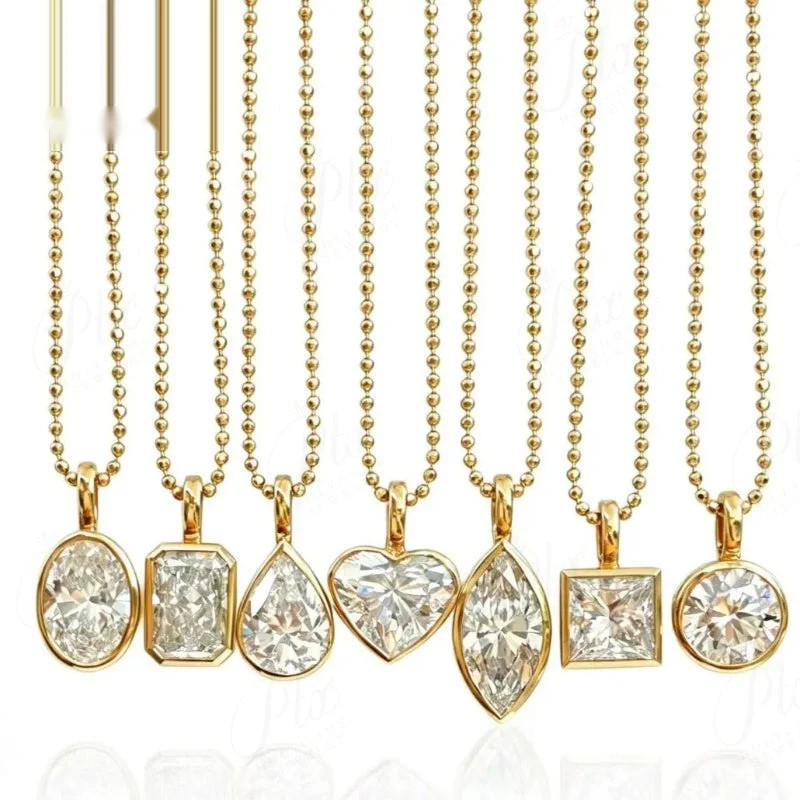
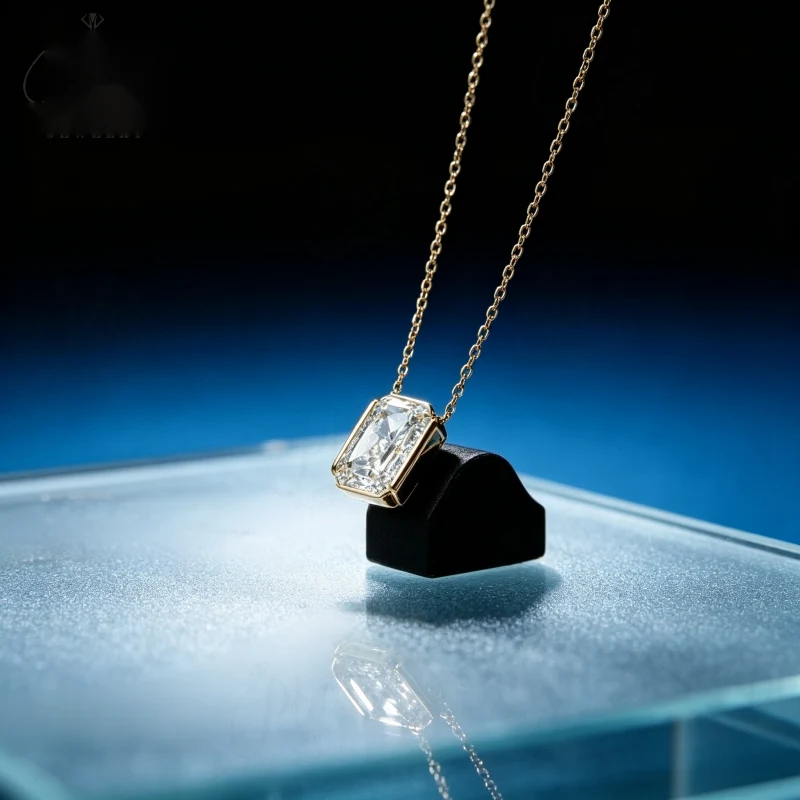
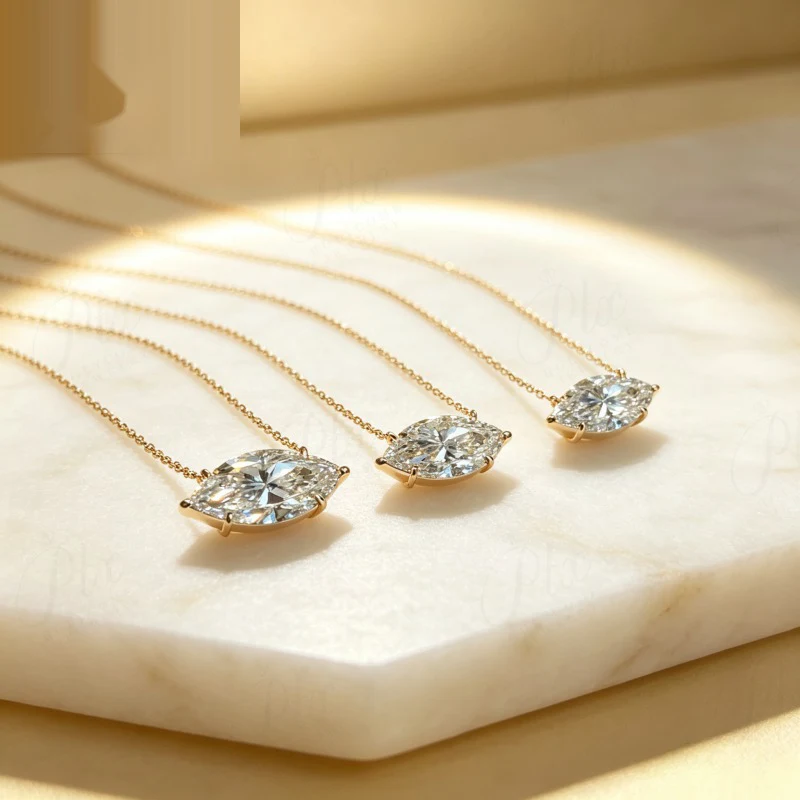
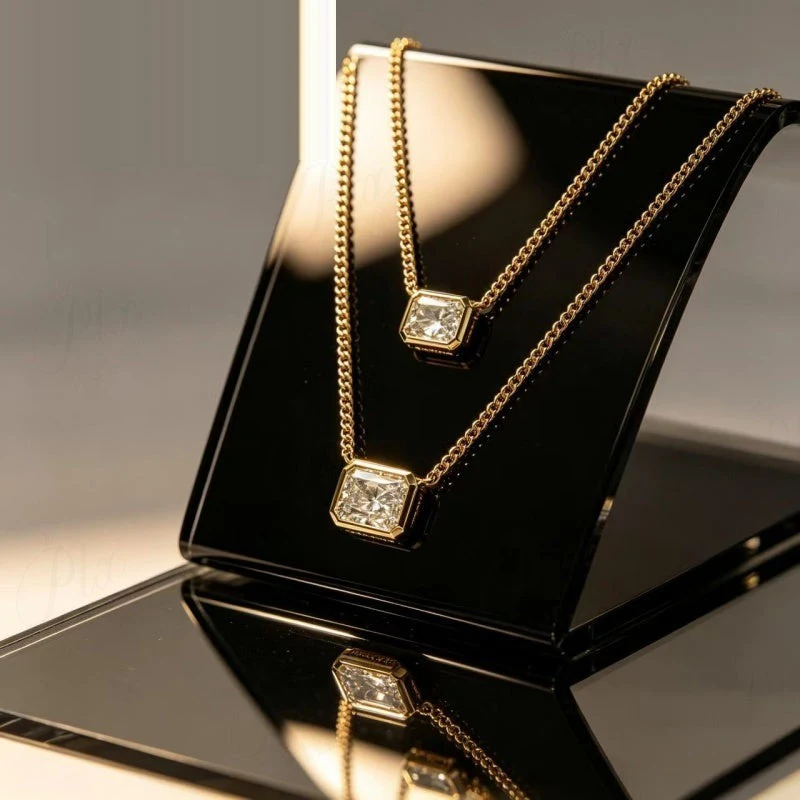
Wholesale Lab Grown Diamonds: Reorder Timing & Stock Depth

Why Reorder Timing Decides Your Lab Grown Diamond Margins
Lab Grown Diamonds reward wholesale buyers who plan reorder cycles around real lead times, because the stone you restock today arrives just in time for your next selling season if you order on schedule. With sampling at 7 to 10 days and bulk production running 15 to 25 days after approval, plus DDP delivery to the US in 5 to 8 days, a full replenishment cycle takes roughly four to six weeks.
Buyers who wait until inventory runs low often lose those weeks to transit and production queues, and end up substituting stones that do not match their original grading and cut specifications. This article breaks down how to set reorder points, how deep your stock should run, and how to structure orders so your Lab Grown Diamonds supply never becomes the bottleneck in your business.
Mapping the Full Replenishment Cycle
Before you can set reorder points, you need to know exactly how long each stage takes from decision to delivery. The timeline below is fixed by the production process, not by negotiation, so build your calendar around it.
Sampling and Approval: 7 to 10 Days
Every new stone or setting starts with a sample. Sampling takes 7 to 10 days, and for loose stones you can request specific carat weights and grades to evaluate before committing. If you are placing a custom order, the MOQ is 30 pieces, so sampling is where you confirm that the color, clarity, and cut match what your retail customers expect. PayPal is accepted for sample orders, which keeps the approval stage low risk for first-time buyers testing a supplier.
Bulk Production: 15 to 25 Days After Approval
Once you approve the sample, bulk production takes 15 to 25 days. Loose stones sold by the carat and finished pieces priced per piece both follow this window after approval. A three-stage QC process runs during and after production: incoming material inspection, in-process checks, and a pre-ship AQL inspection. That final AQL stage is the gate before shipment, so do not compress your calendar assuming production ends the day the last piece is polished.
DDP Shipping to the US: 5 to 8 Days
Delivery to the US under DDP terms takes 5 to 8 days, with duties and freight handled so the goods arrive without surprise brokerage fees. Add this window to production and you have a realistic end-to-end cycle. A buyer who triggers a reorder the moment stock hits a set threshold beats a buyer who scrambles after a stockout, even if both order the same quantity.
Setting Reorder Points That Actually Work
A reorder point is the inventory level at which you place the next order. The formula is simple: average weekly sales multiplied by lead time in weeks, plus safety stock. If your store sells ten Lab Grown Diamond pieces a week and your full cycle is five weeks, you need fifty pieces on hand when you reorder, plus a cushion for demand spikes.
Calculating Safety Stock for Seasonal Demand
Safety stock covers the gap between forecast and reality. US jewelry demand clusters around holidays, so buyers moving into Q4 should raise safety stock well above their normal cushion rather than relying on average weekly sales. Because bulk production capacity is allocated in the order received, buyers who reorder ahead of the holiday ramp get priority over buyers who wait.
Splitting Reorders Into Tiers
Not every SKU needs the same reorder trigger. Fast movers in stock styles benefit from tighter, more frequent reorders, since the MOQ for stock styles is just 1 piece and you can top up without holding excess capital. Custom work carries a 30-piece MOQ, so those items deserve deeper orders placed earlier. Splitting your catalog into these two tiers prevents the common mistake of overstocking slow custom pieces while understocking proven sellers.
How Deep Should Your Stock Run?
Stock depth is how many weeks of inventory you hold at any moment. The right depth balances capital tied up in stones against the risk of a stockout during peak selling weeks. Loose Lab Grown Diamonds sold by the carat tie up more capital per unit than finished sterling silver settings, so depth decisions differ by product type.
The table below compares a practical stock depth strategy across common product categories:
| Product type | Pricing basis | Suggested depth | Reorder trigger |
|---|---|---|---|
| Loose stones | Per carat | 4 to 6 weeks | At 50 percent remaining |
| Stock styles | Per piece | 3 to 4 weeks | At 40 percent remaining |
| Custom pieces | Per piece | 6 to 8 weeks | Before season ramps |
These depth targets assume the standard production and shipping windows described above. If your sales velocity is seasonal rather than steady, shift the reorder triggers earlier by two to three weeks for the quarter ahead.
Payment Terms and Cash Flow Across the Reorder Cycle
Reorder timing is partly a cash flow question. Bulk orders are paid by T/T with a 30 percent deposit and the 70 percent balance before shipment.
That structure means your capital is committed for the full 15 to 25 day production window plus the 5 to 8 day transit, so a buyer who orders too early ties up funds in inventory that is not yet selling, while a buyer who orders too late faces a stockout with cash already spoken for.
Sequencing Deposits With Sales Cycles
Time your 30 percent deposit to the point where the prior order is mostly converted into sales, not the point where the prior order has just landed. This staggered approach keeps one order in production while the previous order sells through, which smooths cash flow and keeps total stock depth near the targets in the table above. Sample orders on PayPal sit outside this cycle and should not consume bulk-order capital.
Using Grading Papers to Protect Stock Value
Graded stones arrive with GRA or IGI papers, which matter for reorder consistency and resale. Keep your paper records matched to lot numbers so each reorder matches the grades your customers saw previously. When you reorder the same specification, the papers let you verify that the incoming lot matches the outgoing one, protecting repeat customers who expect the same quality each season.
QC Across Multiple Reorders
Consistency across reorders is where many wholesale relationships break down. The three-stage QC process, incoming inspection, in-process checks, and pre-ship AQL inspection, is applied to every production run, not just the first order. As a buyer, your job is to reference the approved sample and the grading papers in every reorder so the QC team has a fixed benchmark.
For custom work at the 30-piece MOQ, confirm in writing that the approved sample from your first order remains the standard for subsequent runs.
Documenting Specs for Repeat Orders
Keep a simple spec sheet per SKU: carat weight, grade, metal type, and pricing basis. Whether the item is 925 sterling silver, 10K/14K/18K solid gold, gold vermeil, or gold plated, name the metal exactly on the spec sheet. This documentation shortens sampling on reorders and reduces disputes at the pre-ship AQL stage, because both sides are checking against the same written standard.
Common Reorder Mistakes and How to Avoid Them
Three mistakes account for most stockouts in the Lab Grown Diamonds category. First, buyers forget to add the 5 to 8 day DDP transit window to production time and reorder a week too late. Second, buyers apply one reorder point across the whole catalog instead of separating stock styles from 30-piece custom runs. Third, buyers treat grading papers as paperwork rather than as the lot-matching tool that keeps reorders consistent.
A written reorder calendar with tiered triggers and matched paper records solves all three.
Order Terms for Wholesale Buyers
MOQ is 1 piece for stock styles and 30 pieces for custom work, and loose stones are sold by the carat. Sampling takes 7 to 10 days, and bulk production runs 15 to 25 days after the sample is approved. Pricing is quoted per piece or per carat depending on the item. Payment is T/T with a 30% deposit and the 70% balance before shipment, and PayPal is accepted for sample orders.
Frequently Asked Questions
How far ahead of the holiday season should I place my bulk order?
Work backward from your stocking date: 15 to 25 days of production, 5 to 8 days of DDP shipping, and a few days for the pre-ship AQL inspection. Place the order at least six weeks before you need goods on shelves, and earlier for custom work with the 30-piece MOQ.
Can I reorder a single piece of a stock style?
Yes. Stock styles carry an MOQ of 1 piece, so you can top up fast movers in small quantities. Custom work requires 30 pieces, and loose stones are sold by the carat.
What payment terms apply to reorder orders?
Bulk orders use T/T with a 30 percent deposit and the 70 percent balance before shipment. Sample orders can be paid via PayPal, which is useful when you want to re-verify specs before a large reorder.
Do grading papers come with every reorder?
Graded stones ship with GRA or IGI papers. Match each new lot's papers against your records from the previous order to confirm the grades are consistent across reorders.
How does DDP shipping affect my reorder planning?
DDP delivery to the US takes 5 to 8 days and includes duties, so the goods arrive ready to sell without clearance delays. Build those days into every reorder point so transit does not cause a stockout.
Build Your Reorder Calendar With a Supplier Who Plans Ahead
Reorder timing and stock depth are not back-office chores; they are the difference between capturing holiday demand and watching competitors fill it. Map your cycle against the 7 to 10 day sampling window, the 15 to 25 day production run, and the 5 to 8 day DDP transit, set tiered triggers for stock styles and custom pieces, and match every incoming lot against its GRA or IGI papers.
Browse the current catalog of Lab Grown Diamonds and finished pieces on our products page, read more buying guides on our blog, and start your next reorder through our contact page to get sampling underway this week.
Sources: Grading references: GIA gem education and GIA laboratory information.