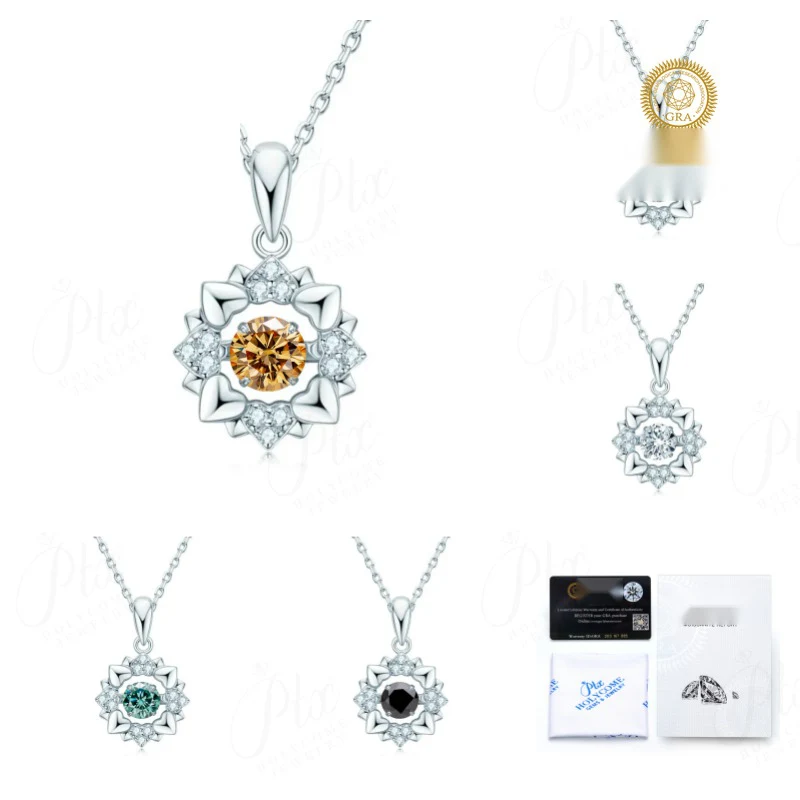
Wholesale Moissanite Jewelry: Supplier Vetting & Audit Red Flags

Why Supplier Audits Matter When Buying Wholesale Moissanite Jewelry
Moissanite Jewelry can anchor a profitable wholesale catalog, but only when the supplier behind it survives a proper audit. As a lab-created diamond alternative, moissanite attracts heavy competition, and that competition includes factories cutting corners on metal honesty, stone grading, and inspection discipline. US wholesale buyers who skip the audit stage routinely discover problems after the deposit is wired: plated goods described as solid gold, missing grading papers, or shipments arriving weeks late.
This guide walks through the specific red flags to check before committing money, so you can separate dependable manufacturers from risky ones using concrete, verifiable criteria.
Red Flag One: Vague or Dishonest Metal Descriptions
The fastest way to lose retail customers is to buy pieces described as "gold" when they are actually plated. A credible supplier names the true metal every time: 925 sterling silver, 10K, 14K, or 18K solid gold, gold vermeil, or gold plated. Each option carries a different cost structure, a different durability profile, and a different story you can tell your own buyers.
A factory that blurs these categories is either confused about its own supply chain or hoping you will not notice the difference.
Questions That Expose Metal Confusion
Ask a prospective supplier to state, in writing, the base metal and the karat grade or plating type for every SKU you plan to order. If the response uses phrases like "gold color" or "gold finish" without confirming whether the item is 925 sterling silver, solid gold, vermeil, or plated, treat that as a warning sign. A manufacturer that cannot specify its own materials cannot be expected to keep consistency across a bulk production run.
Follow up with a request for material composition documentation per style. Established suppliers of Moissanite Jewelry keep these records on file because US retailers increasingly need them for their own product descriptions and compliance checks. If the factory promises to "send details later" or changes its answer between email and a video call, move on. The metal question costs nothing to answer honestly, so hesitation itself is the signal.
Red Flag Two: Missing or Generic Stone Documentation
Moissanite quality varies by cut, color, and clarity, and no buyer can judge grading from photos alone. The industry standard is third-party paperwork: GRA or IGI reports accompanying graded stones. If a supplier offers loose stones or finished pieces with no grading papers, or hands over documents with numbering that does not match the goods, your inventory may quietly mix quality levels. That inconsistency surfaces later as returns and disputes with your retail accounts.
How to Verify Grading Papers Before Bulk Orders
Request sample reports for the exact lot you intend to buy, not a blank template or a photo of someone else's certificate. During the sampling stage, match report numbers to the physical stones in hand. When bulk goods arrive, pull a random selection and confirm the paperwork travels with the shipment. Suppliers confident in their grading process rarely object to this level of scrutiny; suppliers with something to hide usually claim it is unnecessary.
Pricing structure also reveals intent here. Loose stones are sold by the carat and finished pieces are priced per item, and a legitimate quotation explains which applies and why. A flat "per piece" price on loose stones, or a refusal to break down stone cost versus setting cost, makes comparison shopping impossible and often hides lower-grade material behind an attractive total.
Red Flag Three: No Documented Quality Control Process
A supplier without a structured inspection system is asking you to be their QC department. Ask each candidate factory to describe its inspection stages in writing. A dependable manufacturer runs three: incoming material inspection, in-process checks during production, and a pre-shipment AQL inspection on finished goods. If a salesperson cannot describe all three stages without checking with someone else, quality control is probably informal at that factory.
What to Ask About Pre-Shipment Inspection
Request the AQL level applied to your order, the defect classifications used, and whether inspection results are shared before the balance payment is released. Suppliers who resist sharing pre-ship data often discover problems late and hope the buyer absorbs them. You can also send a third-party inspector to witness the pre-ship AQL check; a factory that refuses third-party access to a finished lot is telling you something important about what that lot contains.
During your audit, connect the QC story to the sampling story. A factory should produce samples in 7 to 10 days and complete bulk production in 15 to 25 days after approval. Timelines dramatically shorter than that for custom work suggest either misrepresentation or undisclosed subcontracting, and subcontracted goods rarely pass through the same inspection stages as in-house production.
Red Flag Four: Payment and Shipping Terms That Shift Risk to You
Standard terms in this category exist for a reason, and deviations usually benefit the seller. The conventional arrangement is T/T with a 30 percent deposit and 70 percent balance before shipment, with PayPal accepted for sample orders. A supplier demanding the full balance earlier than shipment, or refusing PayPal on samples while offering no alternative buyer protection, is asking you to carry unusual risk.
Evaluating Delivery Terms and Lead Times
Ask how goods reach the US. Reliable suppliers offer DDP delivery to the US with transit in 5 to 8 days, meaning they handle duties and customs clearance and you receive goods without surprise brokerage fees. Vague answers about "shipping arrangements" or insistence on terms that leave customs handling to you often precede delays, seized shipments, or unexpected duty bills. Confirm the DDP term, the transit window, and the carrier in writing before signing anything.
Also check whether lead times quoted include sampling, approval, and production as separate stages. A supplier who quotes one blended number tends to reset the clock at each stage. Factories that quote 7 to 10 days for sampling and 15 to 25 days for bulk after approval are describing a process they have run many times, which is exactly what you want to see in an audit.
Red Flag Five: Minimums and Communication Patterns That Signal Trouble
Minimum order quantity policies tell you how a factory treats buyers of different sizes. A flexible manufacturer offers 1 piece for stock styles, 30 pieces for custom work, and sells loose stones by the carat. That structure lets you audit cheaply: you can test a stock design with a single piece and validate custom capability with a modest run before scaling.
Communication Red Flags During the Audit
- Answers that change between written quotations and verbal calls
- Refusal to provide a video walkthrough of the production floor
- Pressure to skip sampling and move straight to bulk
- Stock photos instead of real images of the actual SKUs discussed
- Grading papers offered as templates rather than documents for your lot
None of these items alone proves a supplier is bad, but two or more together justify walking away. Your audit exists to find these patterns while the cost of leaving is zero. Once the deposit is paid, your negotiating position collapses to whatever the contract says, and an unsigned email agreement will not help much in a cross-border dispute.
Building a Simple Audit Checklist for Moissanite Jewelry Suppliers
A structured checklist keeps the audit consistent across candidates and gives you documentation if a dispute arises later. The table below summarizes the core checks, the question to ask, and what a passing answer looks like.
Run every candidate through the same sequence and record their answers. Comparing two or three suppliers side by side makes weak responses obvious, because a factory that names its metals, provides GRA or IGI reports, describes three QC stages, and quotes realistic lead times will stand out immediately against one that dodges each question.
| Check | Question to Ask | Passing Answer |
|---|---|---|
| Metal honesty | What metal and finish per SKU? | Named: sterling silver, solid gold, vermeil, or plated |
| Stone grading | Do stones carry papers? | GRA or IGI reports matched to the lot |
| QC process | What are your inspection stages? | Incoming, in-process, pre-ship AQL |
| Timelines | How long for samples and bulk? | 7 to 10 days sampling; 15 to 25 days bulk |
| Terms | Payment and shipping structure? | 30/70 T/T, PayPal for samples, DDP to US |
Keep the completed checklist on file for each supplier you work with, and revisit it annually. Factories change ownership, swap subcontractors, and alter material sources, so an audit from two years ago says little about today's output.
Order Terms for Wholesale Buyers
MOQ is 1 piece for stock styles and 30 pieces for custom work, and loose stones are sold by the carat. Sampling takes 7 to 10 days, and bulk production runs 15 to 25 days after the sample is approved. Pricing is quoted per piece or per carat depending on the item. Payment is T/T with a 30% deposit and the 70% balance before shipment, and PayPal is accepted for sample orders.
Frequently Asked Questions
What is the safest way to test a new supplier?
Order one piece of a stock style first, since the MOQ for stock designs is a single piece. Evaluate the metal, the stone, and the paperwork in hand. Then move to a 30-piece custom run before committing to larger volumes.
Should I accept suppliers who do not provide GRA or IGI papers?
Only if you can grade stones yourself or through an independent lab, which adds cost and delay. For most wholesale buyers, requiring GRA or IGI documentation is the simpler and safer path. A supplier unwilling to provide papers is pricing risk into your inventory.
Why does DDP delivery matter for a US buyer?
With DDP, the supplier handles duties and customs clearance, and goods arrive in 5 to 8 days without surprise fees. Non-DDP terms leave you exposed to brokerage charges, clearance delays, and compliance paperwork you may not be equipped to handle.
Is PayPal enough protection for bulk orders?
PayPal works well for sample orders, where the amounts are small and the goal is evaluating quality. Bulk orders typically run on T/T with a 30 percent deposit and 70 percent balance before shipment, so your protection there comes from the QC process and pre-ship inspection evidence, not the payment method.
How long should a full first order cycle take?
Plan on 7 to 10 days for sampling, your approval period, then 15 to 25 days for bulk production, plus 5 to 8 days for DDP shipping to the US. Suppliers quoting far less than this combined cycle are compressing stages that cannot be compressed.
Where to Go From Here
A disciplined audit takes a few days of email exchanges and one sample order, and it protects every dollar you spend afterward. When you are ready to put vetted suppliers to the test, browse the available catalog styles and stone options on the products page, then read more practical buying guidance on the wholesale jewelry blog.
If you want a quotation, samples, or answers to any audit question in writing, reach the team directly through the contact page and start your first low-risk order today.
Sources: Grading references: GIA gem education and GIA laboratory information.