Wholesale Moissanite Jewelry: Moissanite vs CZ: What to Compare

Moissanite Jewelry Versus Cubic Zirconia: How Wholesale Buyers Should Choose
Moissanite Jewelry wins over cubic zirconia for most US wholesale programs because moissanite is a lab-created diamond alternative with higher refractive brilliance, greater hardness, and lasting clarity, while CZ is a lower-cost simulated stone that scratches and clouds under daily wear. If your retail customers expect a stone that holds its sparkle through everyday use, moissanite is the stronger catalog choice.
If you serve fashion retailers moving trend-driven pieces at low price points, CZ still has a role, and many distributors carry both. This article walks through the practical selection decisions: stone identity, metal pairing, certification, MOQ, production timelines, and quality control, so you can build a line sheet that fits your channel.
Understanding the Material Difference Before You Place an Order
What Moissanite Actually Is
Moissanite is silicon carbide grown in a laboratory. It is not a natural diamond and should never be marketed as one. On a wholesale line sheet, describe it as a lab-created diamond alternative. Its refractive index sits above that of diamond, which produces a distinctive fiery brilliance customers notice immediately. On the Mohs scale, moissanite rates around 9.25, which means it resists scratching far better than CZ, which rates near 8 to 8.5 and abrades with wear.
What Cubic Zirconia Offers
Cubic zirconia is zirconium dioxide, also lab-created, but it is a simulation rather than a diamond alternative with comparable optical performance. CZ costs less per carat, cuts quickly, and suits seasonal fashion collections where the piece may only be worn for a season or two. For a wholesale buyer, the decision often comes down to the retail channel: boutiques selling engagement-adjacent pieces benefit from moissanite, while fast-fashion chains moving trend items can justify CZ.
How the Two Perform in a Catalog
Return rates tell the story. CZ jewelry that dulls within months generates customer complaints and erodes retailer trust in your brand. Moissanite maintains its optical character through daily wear, which supports repeat purchases and higher price points. Many US distributors position moissanite as their premium tier and CZ as their fashion tier, giving retail partners a clear upsell path.
Key Selection Decisions for a Wholesale Moissanite Program
Stone Size and Carat Strategy
Loose stones are sold by the carat, so your per-piece cost scales directly with the center stone specification. A practical approach is to build a size ladder: small accent stones for everyday styles, mid-range centers for bestselling halo and solitaire designs, and a few larger statement pieces to anchor the collection. Because pricing is quoted per carat for loose stones and per piece for finished goods, request both quotations so you can compare finished jewelry against assembly from loose stock.
Color and Cutting Choices
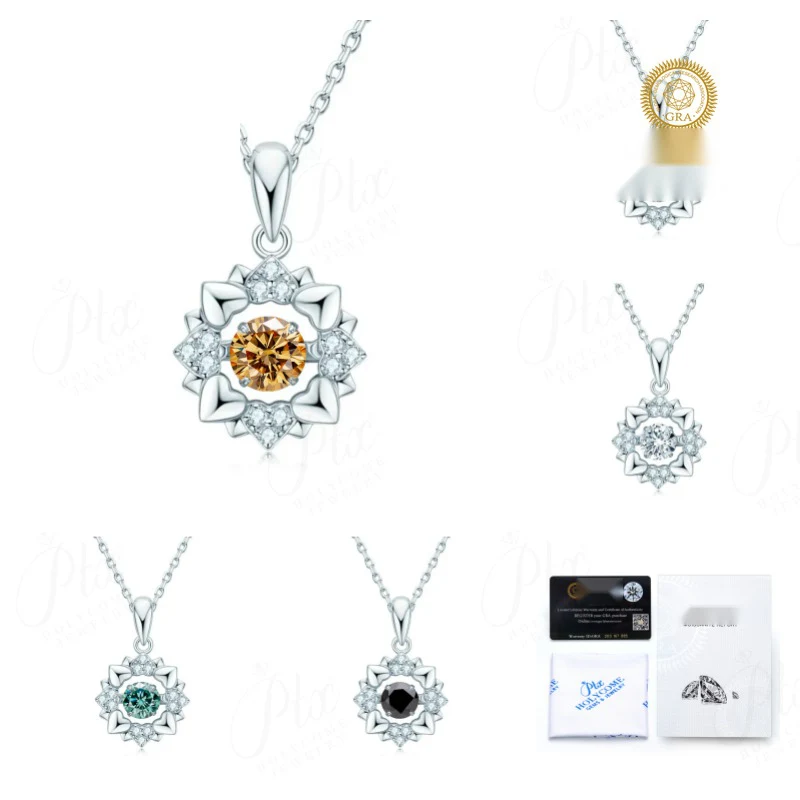
Moissanite is typically offered in colorless and near-colorless ranges. Near-colorless stones cost less and perform well in yellow and rose gold settings, where warm metal tones mask slight body color. Colorless grades suit white metal settings and customers who expect a diamond-like appearance. Ask your supplier which grades they stock as standard, since custom color requests extend production time.
Cutting Styles That Sell in the US Market
Round brilliant remains the volume leader, but elongated cuts such as oval, emerald, and pear have grown strongly in bridal-adjacent retail. Stock a spread of cuts rather than concentrating on one. Verify that your supplier cuts in-house or works with established cutting partners, since cutting quality drives how the stone returns light and how it photographs for your e-commerce listings.
Metal Pairing and Honest Metal Naming
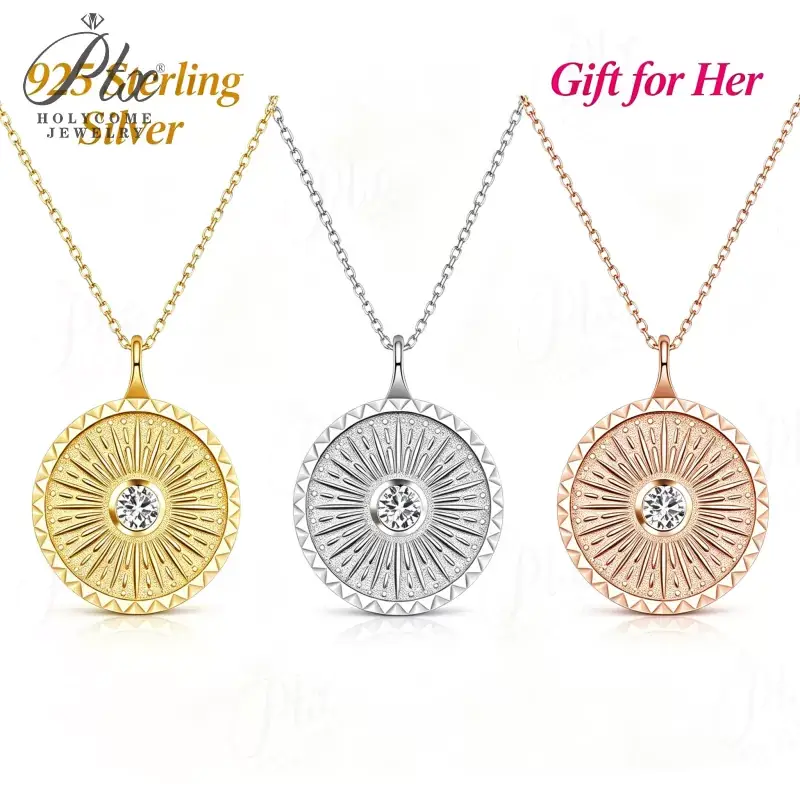
The metal you pair with moissanite determines both your landed cost and how you may legally describe the product. Common options include 925 sterling silver, 10K, 14K, and 18K solid gold, gold vermeil, and gold plated finishes. Never list vermeil or plated goods as solid gold; US consumer protection rules and marketplace policies treat mislabeled metals as a serious violation.
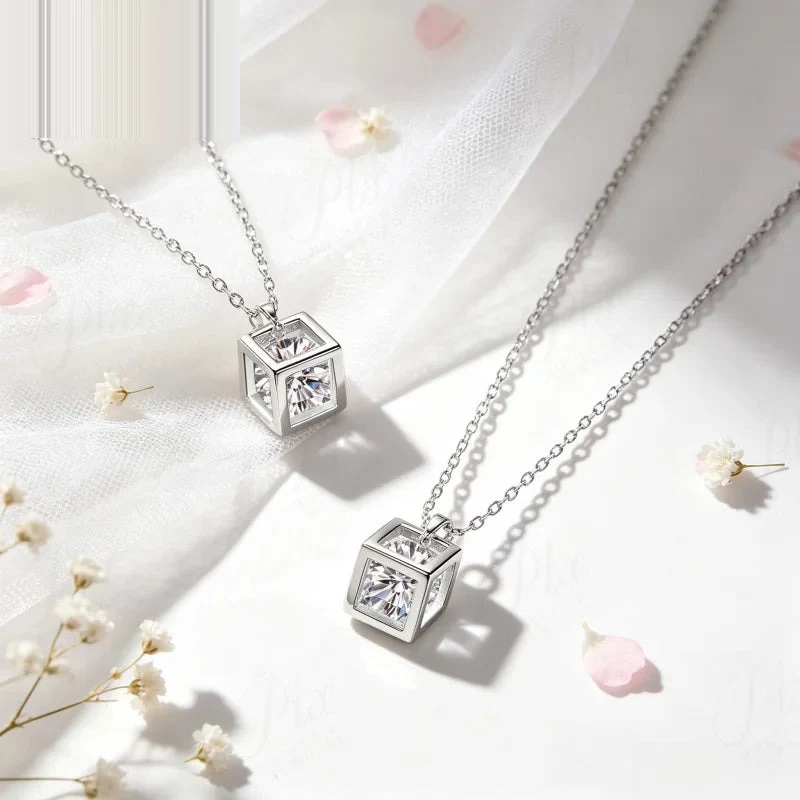
Sterling silver with moissanite is the workhorse combination for e-commerce because it keeps the retail price accessible while the stone carries the perceived value. Solid gold mounts suit higher-tier collections and independent jewelers. Request the exact metal spec in writing on every purchase order, including plating thickness where relevant.
Certification, Grading, and Quality Control You Can Verify
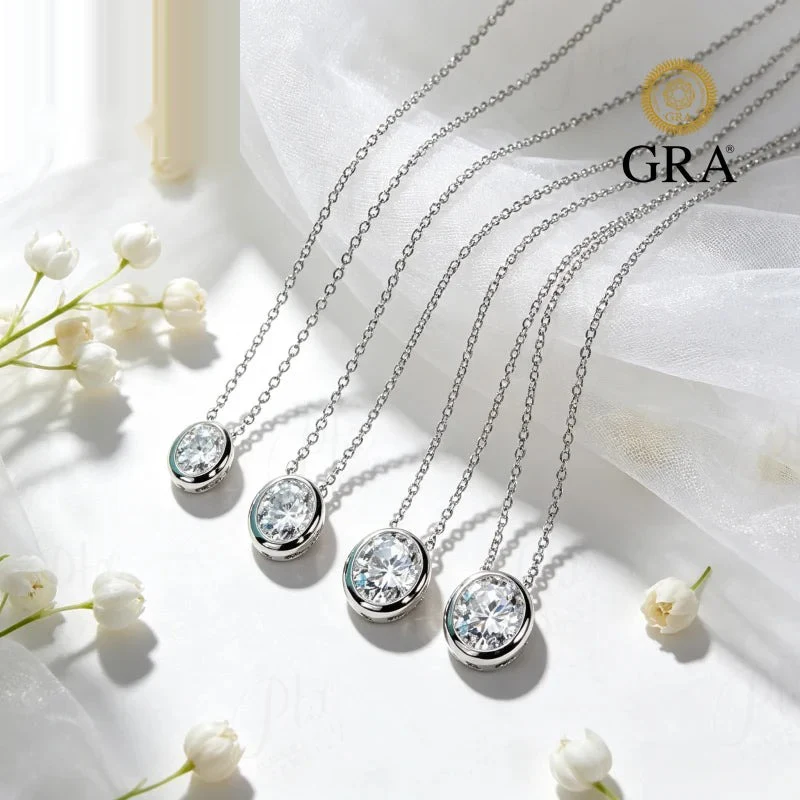
Graded stones should arrive with GRA or IGI papers, which document the stone's specifications and give your retail customers confidence at the point of sale. Confirm before ordering which certificates accompany each SKU, and spot-check that the paper details match the physical goods in your sample review.
Quality control should run in three stages: incoming inspection of raw materials and stones, in-process checks during setting and polishing, and a pre-ship AQL inspection on the finished batch. Ask your supplier to share the AQL level they apply and to hold pre-ship reports on file for your review. A supplier without documented staged inspection is a risk to your return rate, particularly on prong-set pieces where stone security matters most.
MOQ, Timelines, and Payment Terms for US Buyers
Minimum order quantities are flexible: 1 piece for stock styles and 30 pieces for custom work. This lets you test new designs with a single sample before committing to a custom production run. Sampling takes 7 to 10 days, and bulk production runs 15 to 25 days after approval, so plan your reorder calendar around those windows.
Payment follows standard trade practice: T/T with a 30 percent deposit and the 70 percent balance before shipment, while PayPal is accepted for sample orders. Delivery to the US uses DDP terms and takes 5 to 8 days, meaning duties and clearance are handled before the goods reach your door and your landed cost stays predictable.
The table below summarizes the two material tiers side by side:
| Factor | Moissanite | Cubic Zirconia |
|---|---|---|
| Material identity | Lab-created diamond alternative | Lab-created simulation stone |
| Wear performance | Resists scratching and clouding | Abrades with daily wear |
| Best catalog tier | Premium and bridal-adjacent | Fashion and trend-driven |
| Certification | GRA or IGI papers available | Typically uncertified |
Use this comparison when briefing retail partners. A two-tier strategy lets you capture both price-sensitive fashion buyers and customers seeking lasting brilliance without forcing a single material choice across the line.
Building a Sample Order That De-Risks Your First Shipment
Start with a stock-style sample order at the 1-piece MOQ so you can evaluate stone quality, setting security, plating or metal finish, and packaging before any bulk commitment. Photograph and wear-test each sample for at least two weeks. Check prong tightness, rhodium consistency on silver, and how the stone reads under both daylight and indoor lighting. Only after the sample passes your review should you move to a 30-piece custom run, where your approved sample becomes the production reference standard.
Order Terms for Wholesale Buyers
MOQ is 1 piece for stock styles and 30 pieces for custom work, and loose stones are sold by the carat. Sampling takes 7 to 10 days, and bulk production runs 15 to 25 days after the sample is approved. Pricing is quoted per piece or per carat depending on the item. Payment is T/T with a 30% deposit and the 70% balance before shipment, and PayPal is accepted for sample orders.
Frequently Asked Questions
Can moissanite be sold as a diamond?
No. Moissanite is a lab-created diamond alternative, not a natural or real diamond. Market it accurately on your line sheet and product listings to protect your store accounts from compliance complaints.
Should I carry moissanite and CZ at the same time?
Many US distributors do. Position moissanite as the premium tier with GRA or IGI papers and CZ as the budget fashion tier. This gives retail partners an upsell path without cannibalizing either tier.
How do MOQs work for testing new designs?
Stock styles are available at 1 piece, so you can sample without volume risk. Custom work requires 30 pieces per style, which applies once you approve a sample for production.
What paperwork comes with graded stones?
Graded stones are supplied with GRA or IGI papers documenting their specifications. Confirm certificate coverage per SKU before finalizing your purchase order.
How long does delivery to the US take?
After sampling at 7 to 10 days and bulk production at 15 to 25 days, DDP delivery to the US takes 5 to 8 days. Duties and clearance are handled under DDP terms.
Start Your Moissanite Program With a Low-Risk Sample Run
Selecting between moissanite and CZ comes down to your channel, your price architecture, and the wear expectations of the end customer. With a 1-piece MOQ on stock styles, 7 to 10 day sampling, three-stage QC, and DDP delivery to the US in 5 to 8 days, you can validate a moissanite program before committing to bulk volume.
Browse the catalog of finished pieces and loose stones on our wholesale moissanite product catalog, read more sourcing guides on the wholesale jewelry blog, or request sample pricing and lead times through our contact page for wholesale inquiries.
Sources: Grading references: GIA gem education and GIA laboratory information.