Wholesale Moissanite Jewelry: Sourcing Checklist for Buyers

Why Moissanite Jewelry Deserves a Place in Your Wholesale Line
Moissanite jewelry gives wholesale buyers a lab-created diamond alternative that delivers strong brilliance at a price point their customers can accept, and sourcing it well comes down to running a disciplined checklist before you commit to a supplier. This article walks through the practical decisions a US wholesale buyer faces: verifying stone quality and certification, choosing the right metal, confirming production capacity, understanding payment and shipping terms, and auditing quality control.
Work through each step in order and you will avoid the most common sourcing mistakes in this category.
Step 1: Verify Stone Quality and Certification
The single most important item on your checklist is stone verification. Moissanite is a lab-created diamond alternative, and reputable suppliers grade their stones through independent laboratories. Ask every prospective supplier which grading papers they provide.
GRA and IGI Papers
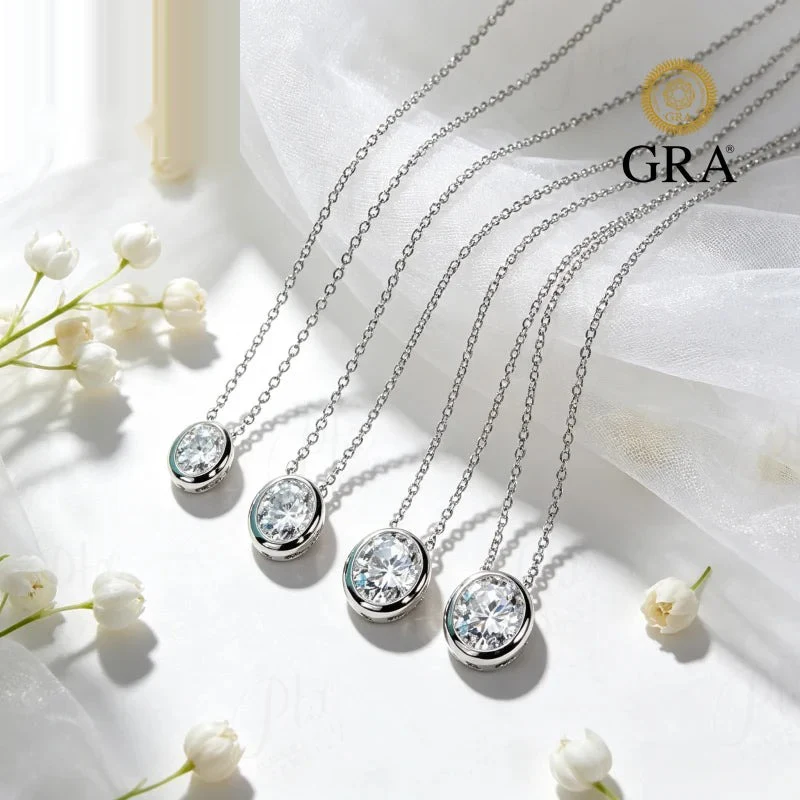
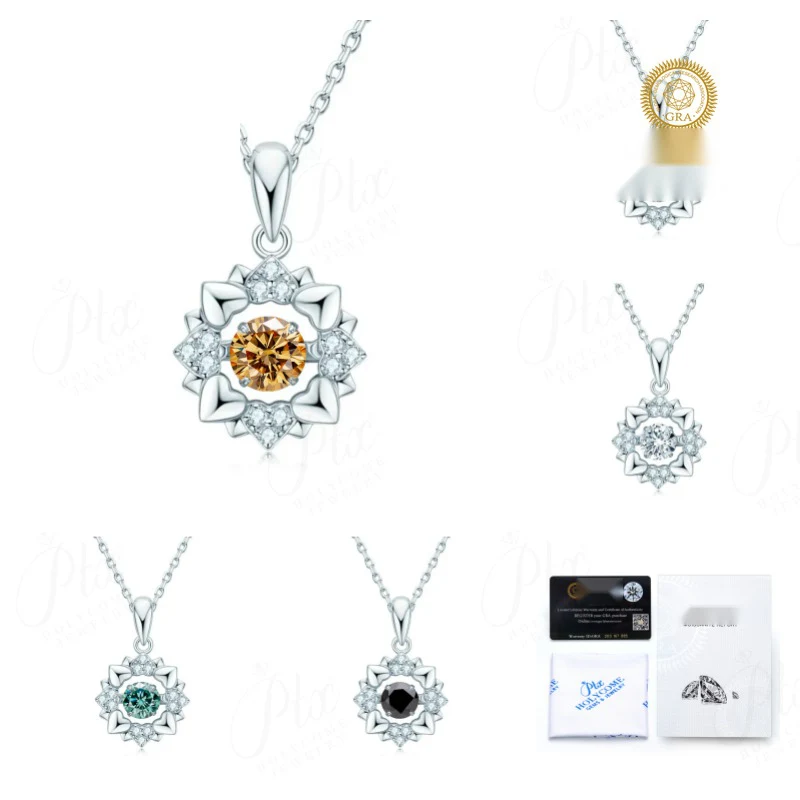
Graded stones should come with GRA or IGI papers. These documents record the stone's carat weight, color grade, and clarity characteristics, giving you a verifiable reference for every lot you purchase. When you receive samples, cross-check the paper against the physical stone with a jeweler's loupe or a third-party appraiser. A supplier who hesitates to provide grading documentation for loose stones sold by the carat is a supplier to remove from your list.
Loose Stones Versus Set Stones
Decide early whether you will buy loose stones by the carat or finished, set pieces priced per piece. Loose buying gives you control over setting quality and lets your own bench handle mounting. Finished pieces shorten your time to market. Many buyers start with finished stock styles and move to loose stones once volume justifies it.
Step 2: Confirm the True Metal Composition
Metal claims are where wholesale sourcing goes wrong most often. Every listing should state the actual metal: 925 sterling silver, 10K, 14K, or 18K solid gold, gold vermeil, or gold plated. Gold vermeil and gold plated pieces are not solid gold, and your product copy must never describe them that way. Mislabeling exposes you to returns, chargebacks, and regulatory trouble in the US market.
Matching Metal to Price Tier
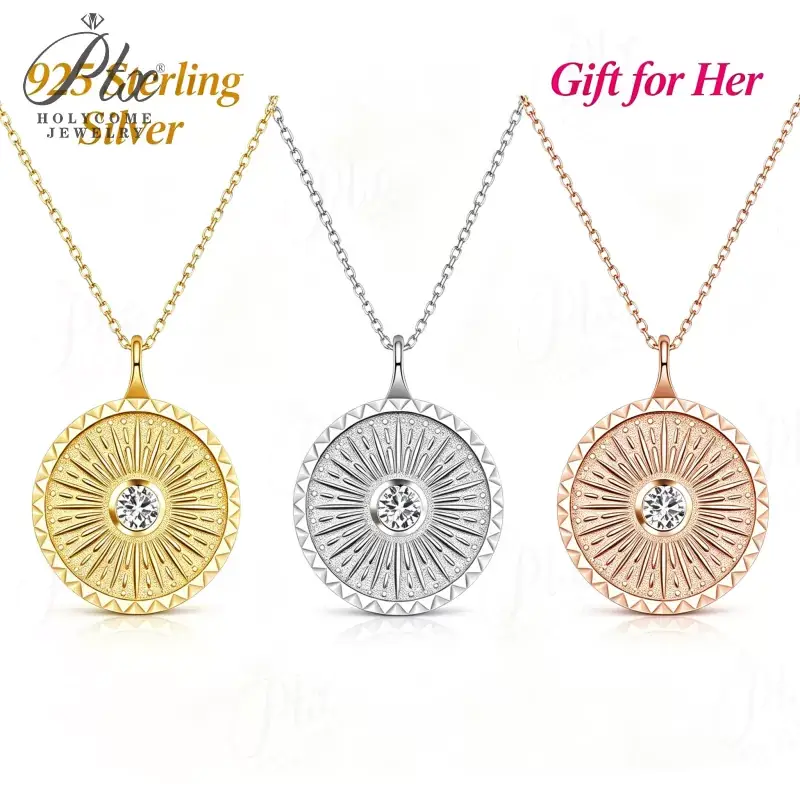
Build your assortment deliberately. Sterling silver settings carry the lowest landed cost and suit entry-level buyers. Gold vermeil offers a heavier plating over sterling silver and sits in the mid tier. Solid gold in 10K, 14K, or 18K serves your premium customers and supports higher margins per piece. Ask the supplier for metal composition in writing and request plating thickness specifications for vermeil and plated items.
Testing What You Receive
Test incoming samples yourself. A simple acid test kit or an XRF scan at a local assay office confirms whether a "solid gold" claim holds up. Build this verification step into your sampling process so it happens before bulk production, not after goods arrive.
Step 3: Run a Trial Order Before Committing
Sampling tells you more than any catalog or price sheet. The sampling window runs 7 to 10 days, and bulk production takes 15 to 25 days after approval. Plan your buying calendar around those timelines, especially if you are stocking for a season or a promotional window.
Sample orders can be paid through PayPal, which offers a low-risk way to evaluate a new supplier. Bulk orders follow different terms, typically T/T with a 30 percent deposit and the 70 percent balance before shipment. Understand that the balance payment happens before the goods leave the factory, which makes your pre-shipment inspection step critical.
What to Check on Samples
- Stone setting security and prong finish under magnification
- Matching of grading papers to physical stones
- Plating consistency across multiple pieces of the same style
- Clasp, shank, and post durability on rings and earrings
- Packaging condition on arrival
Minimum Order Quantities
Confirm MOQ terms in writing before sampling. Stock styles carry an MOQ of 1 piece, which makes trial orders easy. Custom work requires 30 pieces per style, so factor that commitment into your assortment planning. Loose stones are sold by the carat with pricing quoted per carat, while finished pieces are priced per piece.
Step 4: Audit the Supplier's Quality Control Process
A dependable supplier runs a three-stage quality control process: incoming inspection of materials, in-process checks during production, and a pre-ship AQL inspection before goods are packed. Ask the supplier to describe each stage and to share inspection records with your order. If a supplier cannot explain their AQL sampling plan, treat that as a warning sign.
Even with a strong three-stage process in place, budget for an independent third-party inspection before you release the 70 percent balance. The cost of one inspection is small compared with the cost of receiving a defective bulk lot that you have already paid for.
Step 5: Understand Pricing Structure and Landed Cost
Pricing depends on the item: finished jewelry is quoted per piece, and loose stones are quoted per carat. Get quotes in writing for both your stock styles and any custom work, and confirm whether quoted prices hold across reorder volumes. When comparing suppliers, build a landed cost comparison so you are evaluating total cost rather than headline unit price.
Use a simple framework like the one below to keep supplier quotes comparable.
Compare each prospective supplier across the same five columns before you issue a purchase order.
| Checkpoint | What to Confirm | Documentation to Request |
|---|---|---|
| Stone grading | GRA or IGI papers on graded stones | Sample grading report |
| Metal type | Silver, vermeil, plated, or solid gold | Written composition spec |
| MOQ and pricing | 1 piece stock, 30 pieces custom | Written quote per piece or carat |
| Quality control | Three-stage QC with AQL pre-ship | Inspection records |
| Timeline | 7 to 10 day samples, 15 to 25 day bulk | Production schedule in writing |
Once the table is filled in for each candidate, the differences between suppliers become obvious, and negotiation can focus on the specific gaps rather than general price pressure.
Step 6: Lock Down Shipping and Delivery Terms
For US wholesale buyers, DDP delivery is the term to request. Under DDP, delivery to the US takes 5 to 8 days, and the supplier handles the shipping arrangement through to your door. Confirm in writing that DDP includes duties and brokerage so there are no surprise fees when the shipment clears customs. Match the delivery window against your launch calendar and build in a buffer for customs delays during peak season.
Payment Terms and Risk Management
Use PayPal for sample orders to keep early-stage risk low. For bulk orders, T/T with a 30 percent deposit and 70 percent balance before shipment is standard, which is why your pre-ship AQL inspection and any third-party inspection must be scheduled before you wire the balance. Keep all terms in a signed purchase order with clear specifications for stone grades, metal composition, and delivery dates.
Order Terms for Wholesale Buyers
MOQ is 1 piece for stock styles and 30 pieces for custom work, and loose stones are sold by the carat. Sampling takes 7 to 10 days, and bulk production runs 15 to 25 days after the sample is approved. Pricing is quoted per piece or per carat depending on the item. Payment is T/T with a 30% deposit and the 70% balance before shipment, and PayPal is accepted for sample orders.
Frequently Asked Questions
What is moissanite and how is it different from diamond?
Moissanite is a lab-created diamond alternative with high brilliance and durability. It is not a natural or real diamond, and product listings should describe it accurately as lab-created. Its lower cost per carat lets retailers offer larger stones at accessible prices.
What is the minimum order for moissanite jewelry?
Stock styles have an MOQ of 1 piece, so you can test a style before scaling. Custom work requires 30 pieces per style. Loose stones are sold by the carat with no fixed piece minimum.
How long do sampling and bulk production take?
Sampling takes 7 to 10 days. Once you approve samples, bulk production runs 15 to 25 days. Add 5 to 8 days for DDP delivery to the US when planning your calendar.
What certifications should moissanite stones carry?
Graded stones should come with GRA or IGI papers documenting carat weight, color, and clarity. Verify the papers against the physical stones in your sample batch. A supplier unwilling to provide grading documentation is not worth pursuing.
Can I order mixed metals in one bulk order?
Yes, provided each style meets the applicable MOQ. Sterling silver, gold vermeil, gold plated, and solid gold styles can be combined in a single shipment. Confirm metal composition for each style in the purchase order and verify samples before production begins.
Start Your Wholesale Moissanite Sourcing
A clear checklist turns moissanite sourcing from a gamble into a repeatable process: verify GRA or IGI papers, confirm true metal composition, run samples before bulk, audit the three-stage QC process, and lock DDP delivery terms with a 5 to 8 day US window.
Browse the current catalog of moissanite styles in our wholesale product catalog, read more sourcing guidance in our jewelry wholesale blog, or request a quote and sample order to put this checklist to work on your next buy.
Sources: Grading references: GIA gem education and GIA laboratory information.