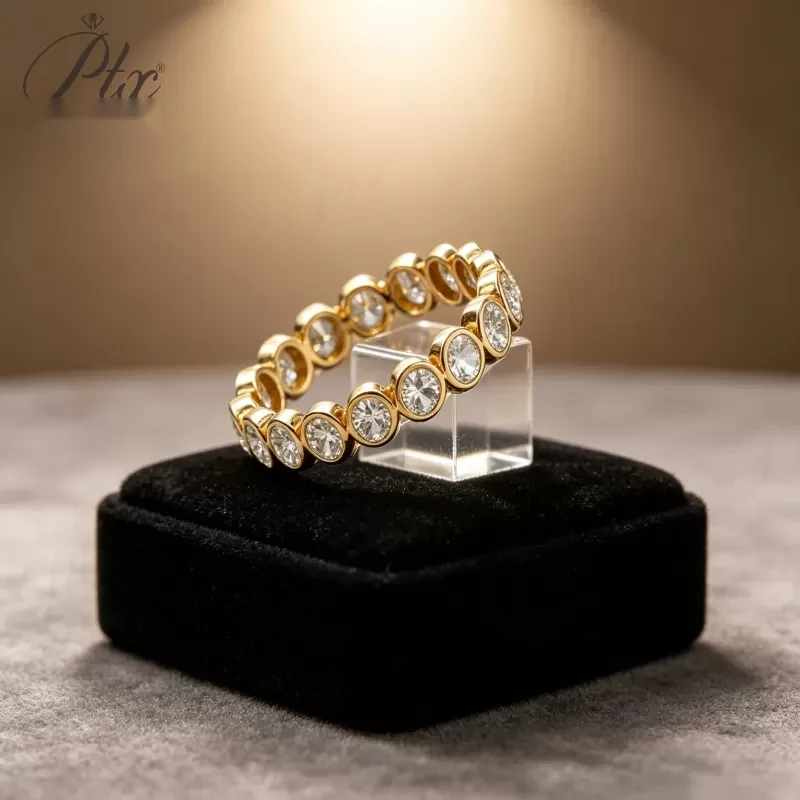
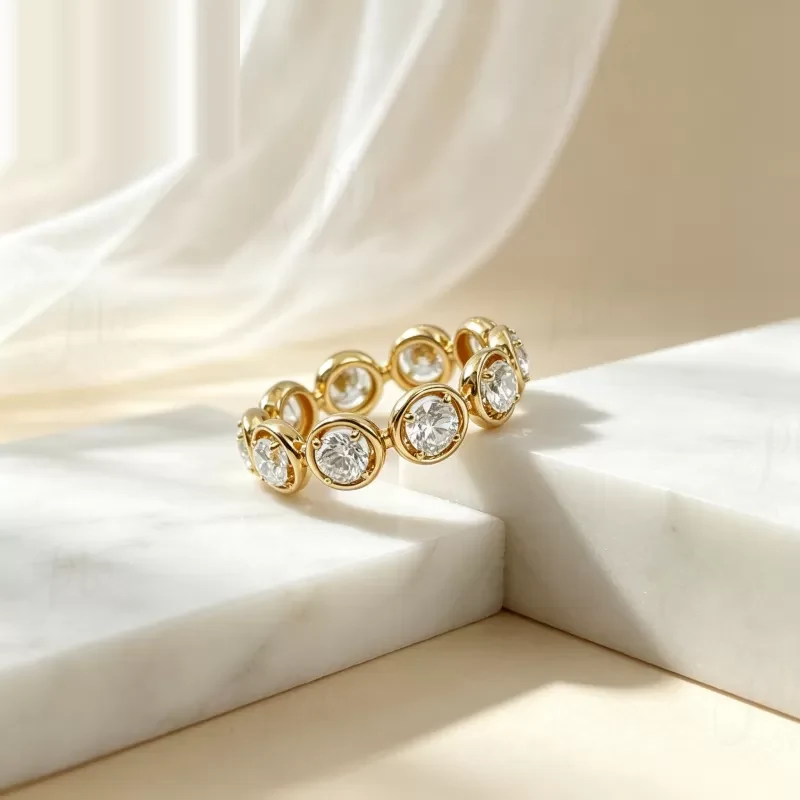
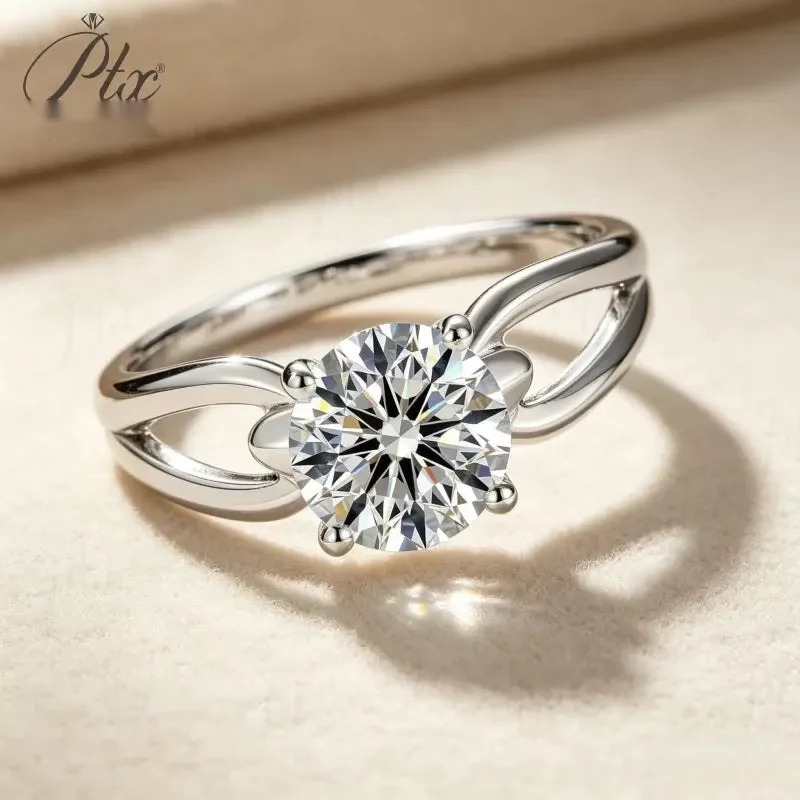
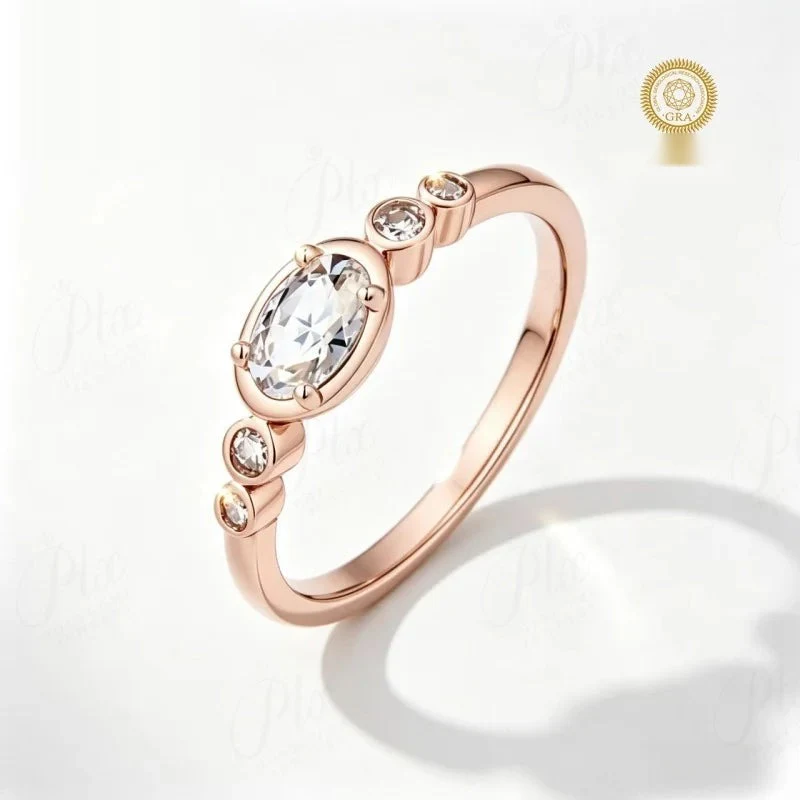
Wholesale Rings: Metal Type, Finish & Plating

Why Metal Type and Finish Disclosure Matter When Buying Rings Wholesale
Rings are the most detail-sensitive category in a jewelry catalog, and the metal type and finish printed on your spec sheet determine both your legal exposure and your reorder rate. A wholesale buyer who verifies whether a ring is 925 sterling silver, 10K/14K/18K solid gold, gold vermeil, or gold plated can price it accurately, describe it correctly to retail customers, and avoid chargebacks tied to misleading product claims.
This article walks through the practical decisions US buyers face when auditing metal disclosures on rings, from plating thickness to stamping requirements to the wording that belongs on your own product pages.
The Four Metal Categories You Will Encounter
Suppliers often blur these categories in marketing copy, so start by learning to separate them clearly:
- 925 sterling silver: an alloy containing 92.5 percent silver, typically stamped 925. Common for fashion and starter fine jewelry.
- 10K/14K/18K solid gold: gold throughout the piece, not just the surface. Stamped by karat, such as 14K or 585.
- Gold vermeil: sterling silver base with a thick gold plating layer. In the US, vermeil generally requires a gold layer of at least 2.5 microns.
- Gold plated: a thin gold layer over a base metal such as brass or copper. The least expensive and most wear-sensitive option.
A ring sold as "gold" without qualification is a red flag. Ask the supplier to name the true metal in writing, including the base metal under any plating and the plating thickness in microns. Legitimate manufacturers provide this without hesitation; evasive answers are a signal to sample before committing.
How Each Metal Type Behaves at Retail
Metal type affects returns, warranty claims, and the customer segment you can sell to. Plated rings over brass cost the least but wear fastest, especially on bands that rub against hands all day. Vermeil rings hold their surface longer because the sterling base resists corrosion and the gold layer is thicker.
Solid gold in 10K, 14K, or 18K resists wear entirely differently: the metal itself is gold, so there is no plating layer to wear through, though lower karats like 10K are harder and scratch-resistant while 18K is richer in color and softer.
Sterling silver rings tarnish and need anti-tarnish treatment or care instructions. Ask whether your supplier applies rhodium plating or an e-coating over the silver, since that changes both the finish appearance and the maintenance your retail customers will experience.
Matching Metal to Price Tier
Build your catalog in tiers: plated rings for entry-level fashion buyers, vermeil for the mid tier, and solid gold for fine jewelry customers. Mixing tiers without clear labeling confuses shoppers and invites disputes when a plated ring loses its finish and the customer believed it was solid gold.
Reading a Supplier Spec Sheet Correctly
A complete ring spec sheet should list base metal, plating type and thickness in microns, ring width and gauge, stone type with its grading paper reference, and stamp. If a supplier only writes "gold ring," request the full breakdown before ordering samples. Keep these documents on file; they become your defense if a marketplace or regulator questions your listings.
Stamps, Hallmarks, and US Labeling Rules
The FTC Jewelry Guides govern how metals must be described in US commerce. A ring can only be described as gold if it is solid gold or the karat is qualified, such as "14K gold plated." Terms like "gold tone" or "gold finished" describe plating and must not imply solid gold. Sterling silver must be 92.5 percent silver to be called sterling, and vermeil requires a sterling base with a qualifying gold layer.
Stamps help but do not replace documentation. A 925 stamp confirms nothing by itself; rely on material test reports from your supplier. Many manufacturers can provide XRF or acid test results for a nominal cost, and it is reasonable to request them for any ring you plan to sell as sterling or solid gold.
What to Put on Your Own Product Pages
Mirror the supplier's exact disclosure in your listing: metal, plating thickness, and care guidance. State clearly that any moissanite stones are lab-created diamond alternatives, never natural or real diamonds. This wording protects you on marketplaces where misrepresentation claims move quickly.
Finish Options and How They Change the Look and Cost
Finish is a separate decision from metal type. The same sterling silver ring can ship with a high-polish, rhodium, matte, hammered, or antique finish, and each carries a different production cost and customer expectation. High polish is the standard for solitaire and engagement-style rings. Rhodium over silver produces a bright white finish and slows tarnish. Matte and brushed finishes hide small scratches, which suits wide-band men's rings. Antique finishes use oxidation in recesses for a vintage look.
Confirm with your supplier which finishes are standard on stock styles and which count as custom work. On our side, stock ring styles carry a minimum order of 1 piece, while custom ring work starts at 30 pieces. Finishes outside the standard lineup usually fall into the custom tier, so factor that into your assortment planning.
The table below summarizes the disclosure points to confirm for each finish and metal combination before you place an order:
| Metal | Disclosure to Confirm | Finish Options | Typical Tier |
|---|---|---|---|
| 925 sterling silver | 92.5 percent content, stamp | Polish, rhodium, antique | Entry fine |
| Gold plated | Base metal, plating microns | Polish, matte | Fashion |
| Gold vermeil | Silver base, 2.5 micron layer | Polish, matte | Mid tier |
| 10K/14K/18K solid gold | Karat stamp, alloy content | Polish, brushed, hammered | Fine jewelry |
Use this table as a checklist during supplier conversations. Any row you cannot fill in with written confirmation is a row you should not sell yet.
Stones and Setting Disclosures on Rings
Rings concentrate value in the center stone, so metal disclosure extends naturally to stone disclosure. Loose stones are sold by the carat and graded stones should arrive with GRA or IGI papers. Moissanite is a lab-created diamond alternative and must be described that way in every listing. For natural diamonds, match the stone to its grading document and record the certificate number in your product file.
Ask how stones are set: prong, bezel, pave, or channel settings each affect durability and repair rates. A pave band in plated metal can chip the plating during setting work, so a supplier who sets stones after plating may deliver a different finish quality than one who plates after setting. Small production details like this explain much of the price difference between quotes.
Quality Control Across Three Stages
Metal and finish claims need verification, not trust. Our process runs three QC stages: incoming material inspection, in-process checks during casting, plating, and setting, and a pre-shipment AQL inspection on finished goods. The pre-ship stage is where plating thickness and stamp accuracy are spot-checked against the spec sheet, so request AQL results with your shipment documents.
Sampling Before Bulk Orders
Sampling takes 7 to 10 days and is the cheapest way to verify finish quality in hand. Order samples in each metal type you plan to carry, wear-test them for a week, and check plating wear on the inner band. Bulk production runs 15 to 25 days after sample approval, so a thorough sample round adds little to your timeline and removes most reorder risk.
Payment and Delivery Terms for Ring Orders
Standard payment is T/T with a 30 percent deposit and 70 percent balance before shipment; sample orders can be paid via PayPal. Delivery to the US on DDP terms takes 5 to 8 days, meaning duties and clearance are handled before the goods reach your door. Pricing is quoted per piece for finished rings and per carat for loose stones, so keep the two quote structures separate in your cost sheets.
Order Terms for Wholesale Buyers
MOQ is 1 piece for stock styles and 30 pieces for custom work, and loose stones are sold by the carat. Sampling takes 7 to 10 days, and bulk production runs 15 to 25 days after the sample is approved. Pricing is quoted per piece or per carat depending on the item. Payment is T/T with a 30% deposit and the 70% balance before shipment, and PayPal is accepted for sample orders.
Frequently Asked Questions
How do I verify a ring is actually sterling silver?
Request a material test report, such as an XRF result, alongside the 925 stamp. Check that the stamp is crisp and positioned consistently, typically inside the band. If a supplier cannot document silver content, treat the item as unverified base metal and price it accordingly.
Is gold vermeil worth the premium over standard plating?
Vermeil combines a sterling base with a thicker gold layer, so it wears longer than thin plating over brass and can still be marketed as a fine-adjacent product. It suits the mid tier of a catalog. For customers expecting decades of wear, solid gold remains the appropriate recommendation.
What karat of solid gold should I stock?
10K offers hardness and lower cost, 14K balances color and durability, and 18K delivers a deeper gold color for premium buyers. Most US catalogs lead with 14K and add 10K for price-sensitive lines. Match the karat disclosure to the stamp and spec sheet exactly.
How should I describe moissanite in a ring listing?
Describe it as a lab-created diamond alternative, never as a natural or real diamond. Reference the GRA or IGI paper where applicable and include the carat weight. Clear wording reduces disputes and marketplace takedowns.
Can I mix metal types in one order?
Yes. Stock styles start at a minimum of 1 piece per style, so you can combine plated, vermeil, and solid gold rings in one shipment. Custom designs carry a 30 piece minimum per style, so plan custom work around your strongest-selling metal tier.
Build a Ring Program on Clear Metal Disclosures
Metal type and finish disclosure is not paperwork for its own sake; it is the foundation of a ring catalog that prices correctly, survives marketplace review, and generates repeat retail customers. Start with written spec sheets, verify claims through sampling and staged QC, and mirror the exact metal language on your own listings.
If you are ready to review ring styles across sterling silver, vermeil, and solid gold tiers, browse our product catalog to see current stock and stone options, read more buying guides on our jewelry wholesale blog, or reach out through our contact page to request samples and a custom quote.
Sources: Grading references: GIA gem education and GIA laboratory information.