Wholesale Rings: Pricing Basis & Wholesale Price Lists

How Wholesale Rings Are Priced: A Buyer's Guide to Price Lists
Rings are priced on two bases depending on the item: per piece for finished stock styles and per carat for designs built around loose stones. Understanding which basis applies to each item on your wholesale price list is the first step in comparing suppliers accurately and forecasting your landed cost per unit.
Many buyers comparing rings across suppliers make the mistake of looking only at the quoted number without checking the pricing basis behind it. A per-piece quote on a silver band and a per-carat quote on a stone-set design measure very different things. This article walks through how to read a wholesale price list, what drives cost in ring production, and how to move from a list price to a realistic landed cost for your store or distribution business.
Per-Piece Pricing vs. Per-Carat Pricing
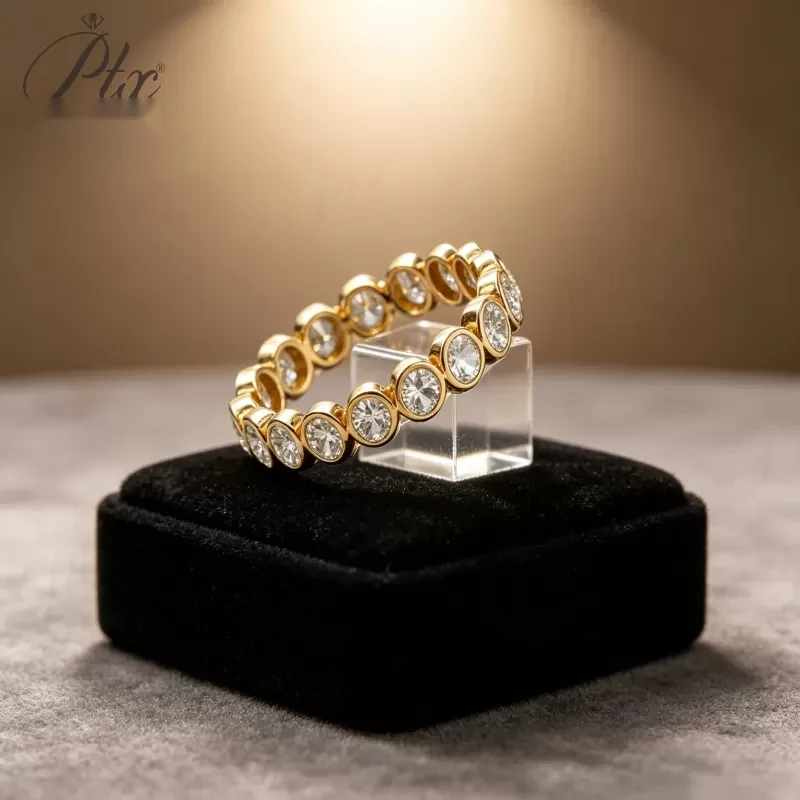
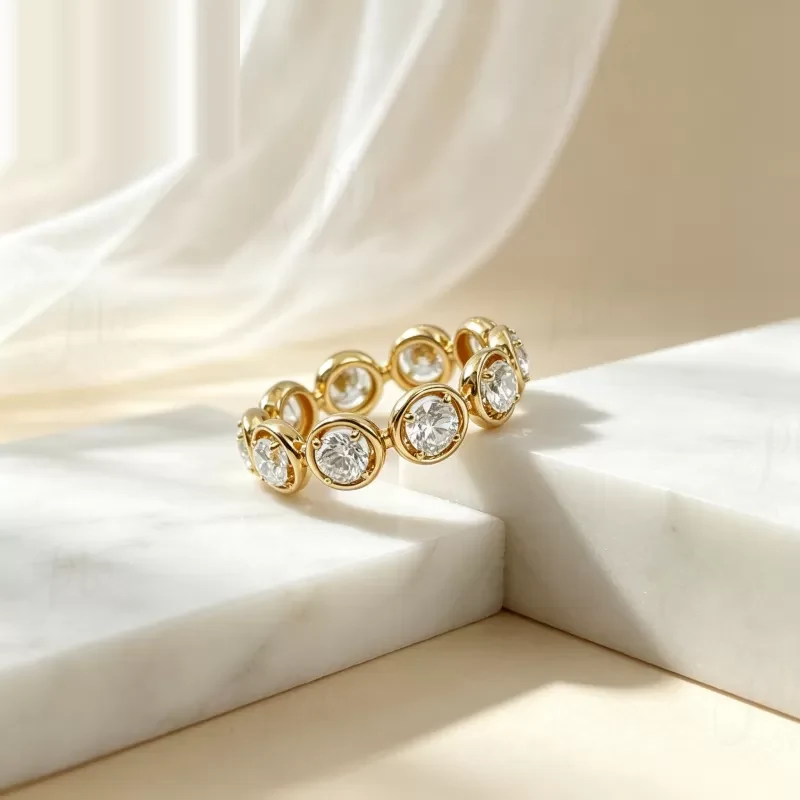
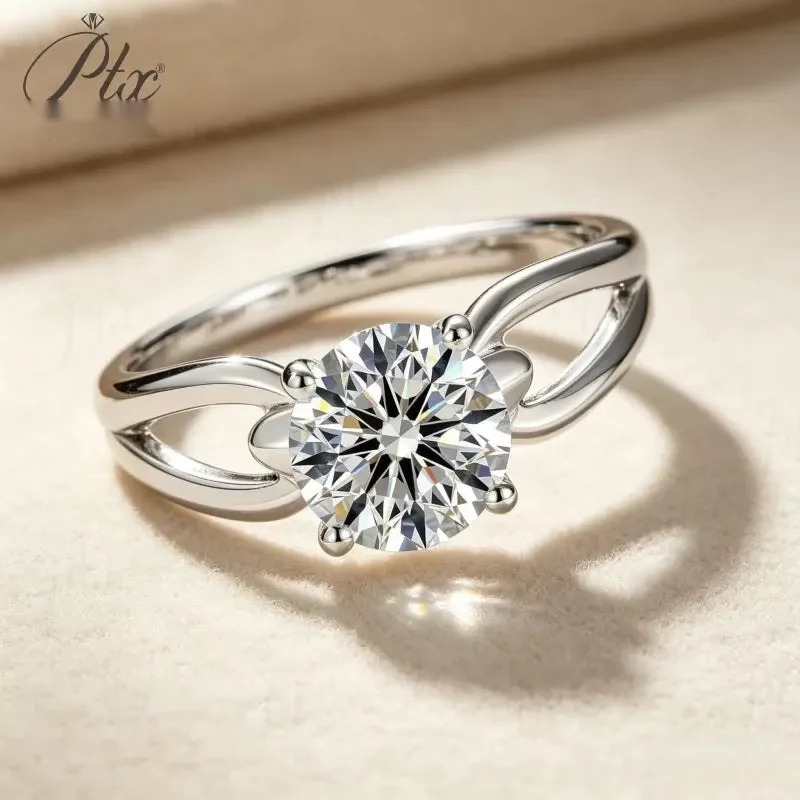
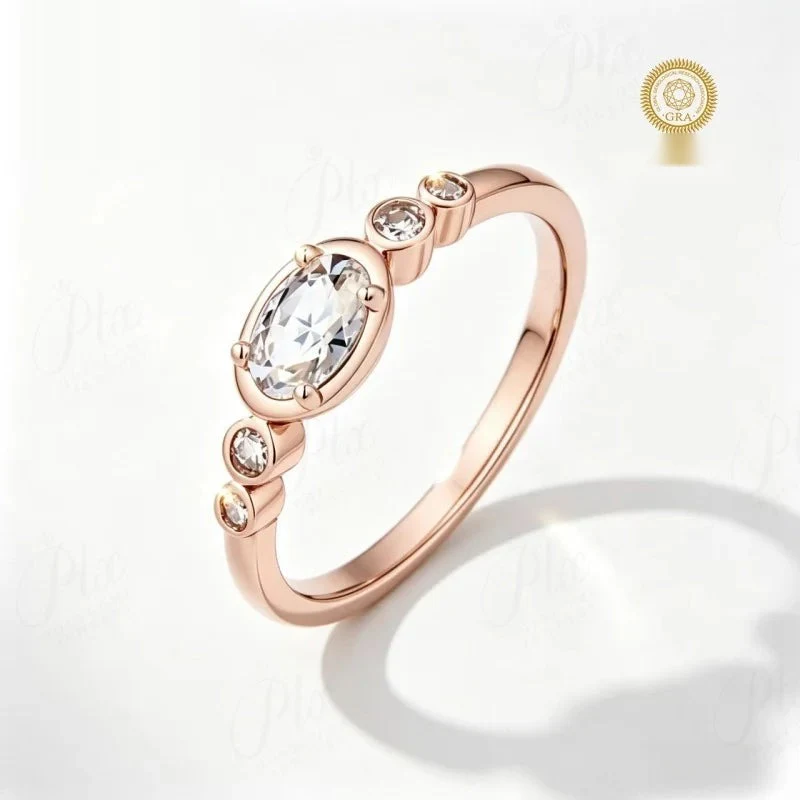
Finished stock rings carry a per-piece price. These are designs already in production that you can order at a minimum of 1 piece, which makes them the simplest way to test a style before committing to volume. The per-piece price covers the completed ring: metal, setting work, stones already mounted, and finishing.
Loose stones are sold by the carat. If your ring program involves selecting stones separately, for example moissanite matched to a specific size and grade, the stone cost is calculated per carat and then added to the setting or mounting cost. Graded stones come with GRA or IGI papers, so you can verify the specifications that the per-carat pricing is based on.
Why the Pricing Basis Matters for Comparison
When two suppliers quote different numbers for a similar ring, check whether one is quoting per piece and the other is quoting the stone per carat plus a separate mounting fee. The totals can converge once you calculate the full build. Ask each supplier to break the quote into metal, stone, and labor components so you compare like with like.
How Stone Weight Affects Per-Carat Cost
Per-carat pricing is not linear. Larger stones carry a higher price per carat than smaller ones because larger clean material is harder to cut. If your ring line uses a range of center stone sizes, your price list should show per-carat rates by size band so you can model cost across the assortment rather than assuming a single rate applies.
Reading a Wholesale Price List for Rings
A useful wholesale price list for rings should let you answer three questions for any item: what is the pricing basis, what is the minimum order quantity, and what metal is specified. Ring listings should state the metal explicitly, whether that is 925 sterling silver, 10K/14K/18K solid gold, gold vermeil, or gold plated.
Plated and vermeil pieces sit at a very different price point from solid gold, and the list should make that distinction visible so you can market the product accurately to your own customers.
What a Good Price List Includes
- Item code and style description with the true metal named
- Pricing basis: per piece or per carat
- Minimum order quantity: 1 piece for stock styles, 30 pieces for custom work
- Stone specifications, including whether GRA or IGI papers are included
- Sample lead time and bulk production lead time
Before committing to a supplier, ask for a sample price list built in this format and compare it line by line against quotes from other sources.
Sample Costs and Production Timelines
Sampling runs 7 to 10 days, and bulk production takes 15 to 25 days after approval. Build these windows into your buying calendar, especially if you are timing a ring launch to a retail season. Sample orders can be paid through PayPal, which lowers the barrier to testing a supplier. Bulk orders move to T/T terms with a 30 percent deposit and the 70 percent balance before shipment.
The deposit structure matters for cash flow planning. On a bulk ring order, you commit 30 percent up front and the remaining 70 percent only once the goods are ready to ship. Confirm in advance what the pre-shipment inspection will cover so the balance payment is tied to verified quality.
Planning Your Ordering Calendar
Work backward from your in-store date. Add the 7 to 10 day sampling window, your approval and revision time, the 15 to 25 day bulk window, and 5 to 8 days for DDP delivery to the US. A custom ring program with 30 pieces minimum can move from first sample to delivered stock in roughly six to eight weeks when approvals move quickly.
Quality Control and What It Means for Price
Three-stage quality control protects the price you agreed to pay: incoming inspection of materials, in-process checks during production, and a pre-ship AQL inspection before goods leave the factory. A supplier who inspects at three stages catches problems while they are still cheap to fix, which keeps your unit cost stable and reduces the risk of reorders or disputes.
When you review a price list, treat the QC process as part of the price. A lower quote from a supplier with no defined pre-ship AQL inspection can cost more once defects reach your warehouse. Ask which AQL level the pre-ship inspection follows and request the inspection report with your shipment.
Landed Cost: From List Price to Delivered Cost
The number on the price list is not your landed cost. To model what each ring actually costs you, layer in shipping, duties, and payment terms. DDP delivery to the US takes 5 to 8 days and means the supplier handles customs clearance, so the duty and clearance cost is built into the quoted shipping rather than appearing as a surprise bill at the border.
For most US wholesale buyers, DDP terms simplify cost modeling considerably: the list price plus the DDP shipping charge gives you a near-complete picture of delivered cost per unit.
Cost Comparison at a Glance
The table below summarizes how the two pricing bases differ across the factors that matter most to a wholesale buyer.
| Factor | Per-Piece Pricing | Per-Carat Pricing |
|---|---|---|
| Applies to | Finished stock styles | Loose stones |
| Minimum order | 1 piece | Sold by the carat |
| Documentation | Style and metal spec | GRA or IGI papers |
| Best use | Testing new styles | Custom stone programs |
Keep this comparison in mind when you request quotes, and ask suppliers to state the basis for every line item in writing.
Custom Ring Programs and Volume Pricing
Custom work starts at 30 pieces. At that volume, pricing is quoted per piece or per carat depending on the design, and the quote typically reflects your specific metal choice, stone size, and finish. The custom path gives you control over the details that differentiate your ring line, but it requires firmer demand planning since you are committing to a 30-piece minimum per design.
Negotiating From the Price List
Use the price list as a starting framework rather than a fixed ceiling. Buyers who consolidate multiple designs into one bulk order, or who commit to repeat programs, are in a stronger position to discuss pricing. Bring a clear specification, target volume, and timeline to the conversation, and ask how the quoted price changes across volume tiers for the same design.
Order Terms for Wholesale Buyers
MOQ is 1 piece for stock styles and 30 pieces for custom work, and loose stones are sold by the carat. Sampling takes 7 to 10 days, and bulk production runs 15 to 25 days after the sample is approved. Pricing is quoted per piece or per carat depending on the item. Payment is T/T with a 30% deposit and the 70% balance before shipment, and PayPal is accepted for sample orders.
Frequently Asked Questions
What is the minimum order for wholesale rings?
Stock styles have a minimum of 1 piece, so you can order a single sample ring to evaluate quality before scaling. Custom work requires a 30-piece minimum per design. Loose stones are sold by the carat rather than by the piece.
How are loose stones priced?
Loose stones are priced per carat, and graded stones come with GRA or IGI papers documenting their specifications. When stones are set into rings, the per-carat stone cost is combined with the setting cost to arrive at the total per-piece price for that design.
What payment terms apply to bulk ring orders?
Bulk orders use T/T with a 30 percent deposit and the 70 percent balance before shipment. Sample orders can be paid through PayPal. Confirm the payment schedule in your proforma invoice before production begins.
How long does a custom ring order take from sample to delivery?
Sampling takes 7 to 10 days, then bulk production runs 15 to 25 days after you approve the sample. DDP delivery to the US adds 5 to 8 days. Plan roughly six to eight weeks end to end for a custom program with prompt approvals.
What metals are used, and how are they labeled?
Rings are made in 925 sterling silver, 10K/14K/18K solid gold, gold vermeil, or gold plated finishes. Each price list line should name the true metal so you can describe the product accurately to your customers. Plated and vermeil pieces are priced well below solid gold and should be marketed accordingly.
Start Building Your Ring Program
Pricing rings for wholesale comes down to three inputs: the right pricing basis, a transparent price list, and a supplier whose QC and lead times you can verify. Browse the current catalog of finished and made-to-order designs in our ring product collection, read more sourcing guidance in our wholesale jewelry blog, or request a sample price list and quote through our supplier contact page.
Send your target styles, quantities, and timeline, and you will receive pricing with the basis, metal, and lead time stated for every line item.
Moissanite is a lab-created diamond alternative, not a natural diamond; listings and customer-facing copy should describe it that way.
Sources: Grading references: GIA gem education and GIA laboratory information.