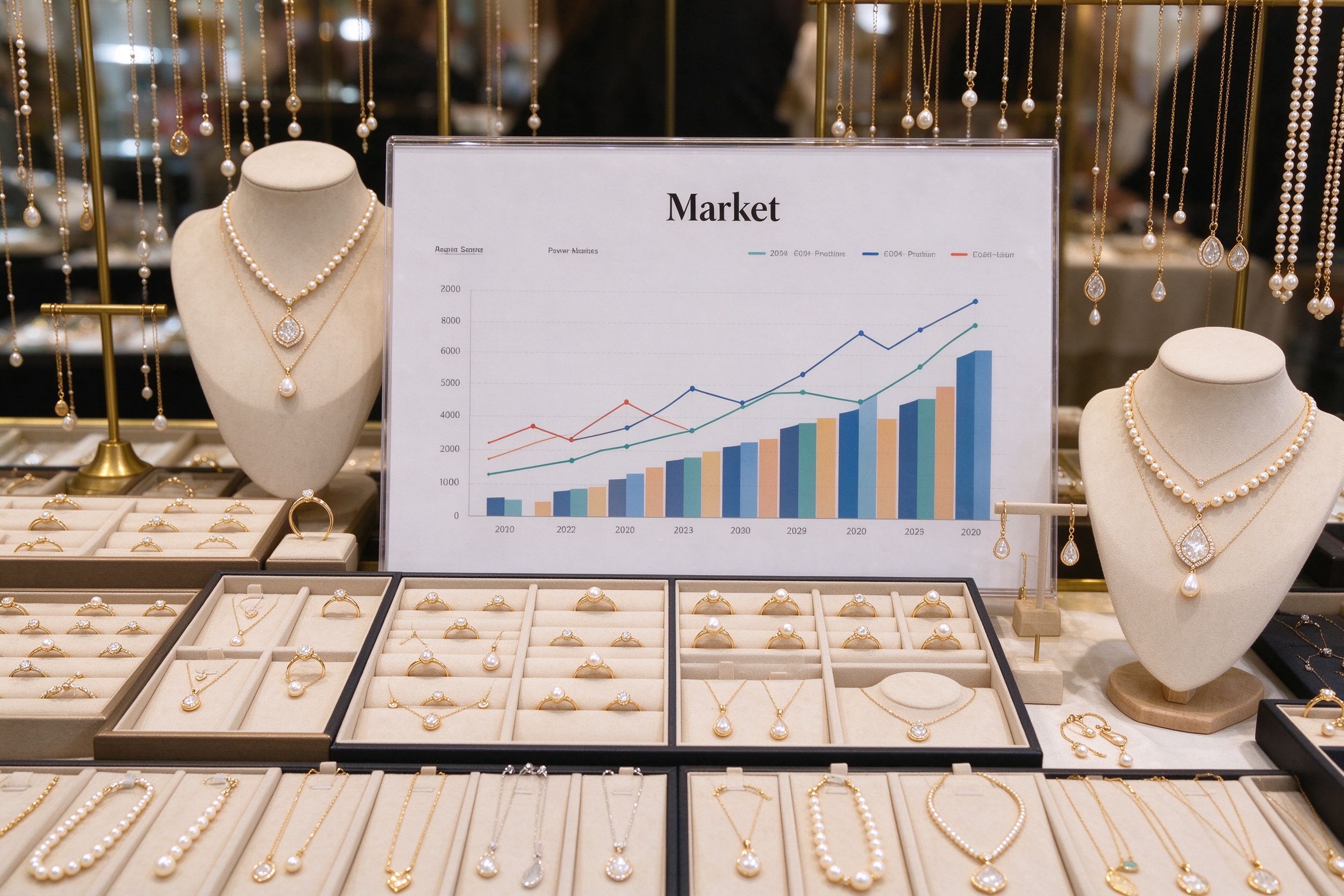
Nostalgia is one of the most reliable engines in fashion. Right now two nostalgic moods are overlapping: a soft vintage revival of brooches, pearls and antique-looking gold, and a bold Y2K revival of chunky, playful, early-2000s shapes. For a wholesale buyer, both are opportunities because they translate easily into affordable alloy pieces. This guide explains what the vintage and Y2K revivals actually look like in product terms, which pieces to buy, and how to avoid the trap of selling costume nostalgia that feels dated rather than nostalgic.
The key is understanding the difference between revival and costume. A well-made vintage-style piece feels timeless and modern at once; a cheap one feels like a Halloween costume. The finish and design decide which one you are selling.

The soft vintage revival
The vintage look is gentle and romantic. Think pearls, cameo-style pendants, filigree, ornate rings and brooches that could have belonged to a grandmother but are priced for a young customer. This trend appeals across ages because it feels familiar and elegant. Stock vintage-style brooches, pearl strands and ornate chain bracelets. Alloy with an antique gold or silver finish sells this look well at a fraction of real vintage.
The Y2K revival
The Y2K look is the opposite: playful, chunky, early-2000s. Butterfly motifs, chunky charm bracelets, colored plastic-look gems, low-rise waist chains and playful rings. This trend is loud and fun, and it sells to a younger customer who was not alive the first time around. Alloy works here because the look is about shape and playfulness, not fine materials. Buy bold, colorful, slightly kitschy pieces, but keep the plating clean so they read as intentional rather than cheap.
Which eras to reference
- Victorian and Edwardian: filigree, cameos, brooches.
- Mid-century: pearls, elegant gold, simple studs.
- Y2K: butterflies, chunky charms, color.
Pick the era that matches your customer rather than stocking all of them. A boutique can do vintage; a TikTok store can do Y2K. Trying to do both dilutes the range.
Why nostalgia sells
Nostalgia lowers the decision barrier. A customer recognizes a vintage pearl strand instantly and feels good about it. A Y2K butterfly ring triggers a happy memory. That emotional recognition sells on its own, which means these pieces can carry a healthy margin. They also photograph beautifully for social media, because they read as a "look" rather than a generic accessory.
Materials that sell the look
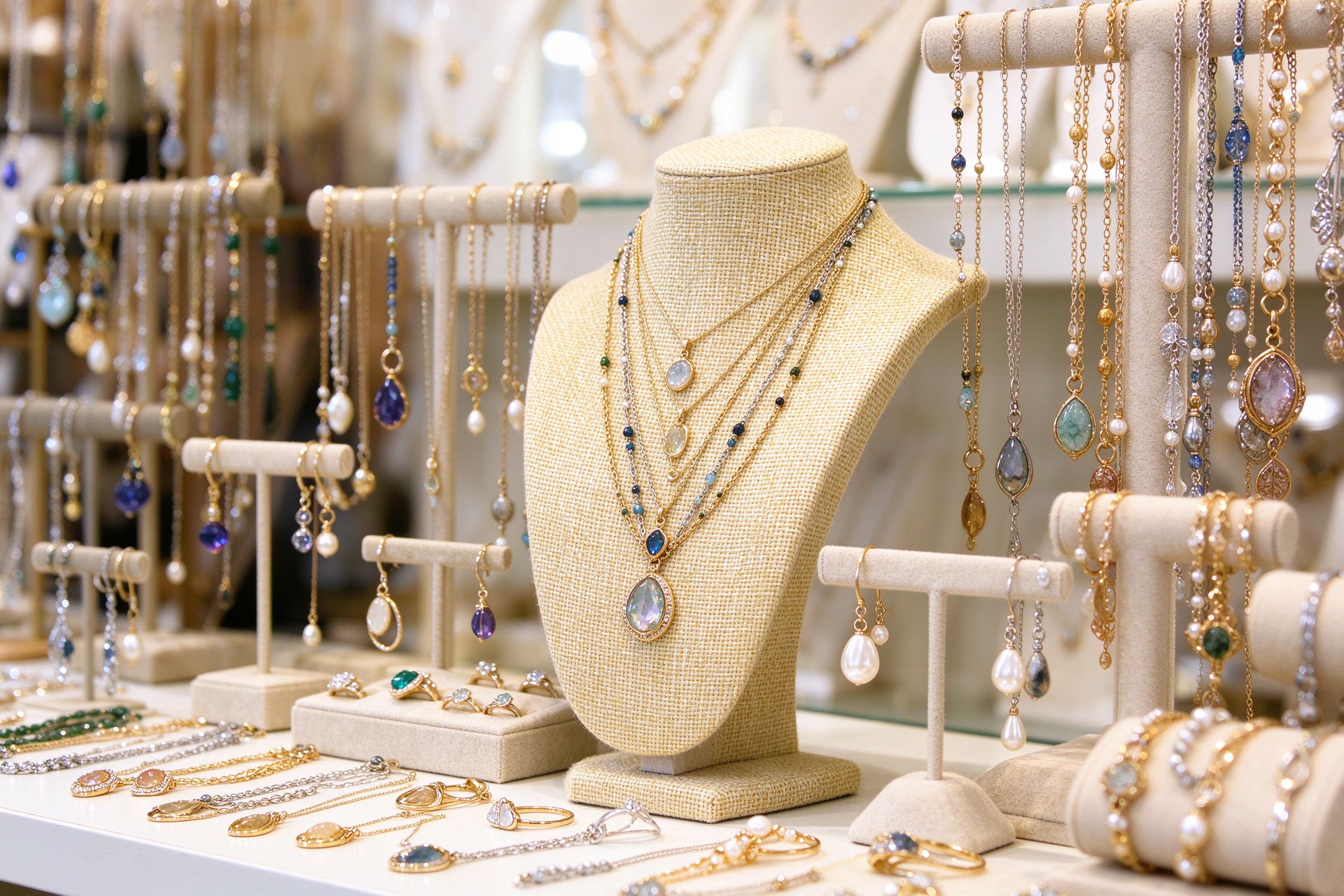
For vintage, choose antique-toned plating rather than bright shiny gold; the aged finish sells the period feel. For Y2K, choose bright, clean plating with bold colored stones. Pearls should look lustrous, not chalky. The finish sells the illusion. Cheap alloy with the wrong finish reads as cheap; the same alloy with the right finish reads as a deliberate, on-trend design.
How to merchandise nostalgic jewelry
Group nostalgic pieces together. A "vintage corner" or a "Y2K edit" on your display or website creates a story customers can browse. Pair a brooch with a pearl strand, or a Y2K ring with a charm bracelet. Themed merchandising turns isolated pieces into a collection, and collections sell more than singles. Let the customer complete a look rather than buy one random item.
Avoiding the costume trap
The risk with nostalgic trends is looking like a costume. Stay away from exaggerated motifs that feel theatrical. Keep the shapes recognizable but wearable. A small vintage-style brooch is elegant; a giant cameo is a costume. Edit the trend down to everyday-wearable pieces, and your customers will actually wear them, not just photograph them once.
- Antique finish for vintage, bright finish for Y2K.
- Merchandise by theme to build collections.
- Edit motifs down to wearable sizes.
Who is buying this
Vintage-style pieces attract customers who want something with character; they tend to be older and gift-oriented. Y2K pieces attract a younger, trend-driven customer. Both buy on emotion rather than pure price, so the margin is good. Stock the version that matches your audience, and you will find repeat customers who come back for the next nostalgic drop.
Buying nostalgic jewelry from a factory
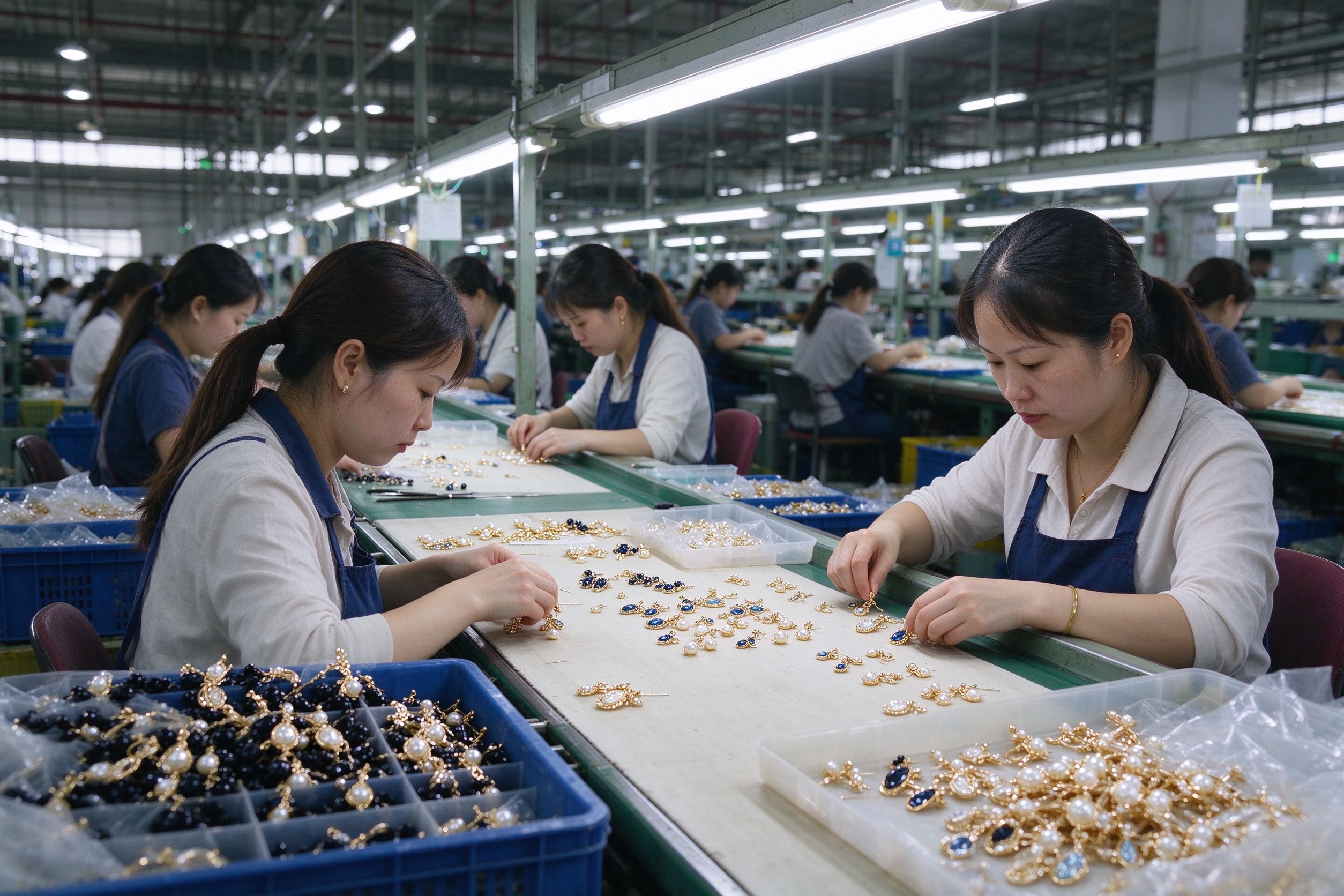
Wuzhou factories already produce these revivals because they cycle through every few years. Ask for vintage-style brooches and Y2K charm pieces specifically. Because these are existing molds, the MOQ is friendly. Order samples of the finish, because the antique tone and the Y2K color are where factories vary. The right finish is the whole difference between a sellable revival and a costume joke.
Ride the nostalgia wave wisely
Vintage and Y2K are durable revivals, not one-week fads, because nostalgia refreshes every few years. Stock the look that fits your customer, merchandise it as a themed collection, and keep the finish wearable rather than theatrical. Done well, these pieces become some of your most photographed and most memorable sellers. Buy them because they feel familiar, but finish them so they feel new.
Merchandising the two revivals side by side
If your audience spans ages, you can offer both revivals as separate "edits." A vintage corner with pearls, brooches and antique gold appeals to the older, gift-driven shopper; a Y2K rail with butterflies, color and chunky charms appeals to the younger shopper. Keep them visually distinct so each customer finds their mood. Within each edit, group pieces into looks: brooch plus pearl strand, charm bracelet plus ring. Themed merchandising sells more than scattered pieces because customers complete a look rather than buy one item.
Pricing nostalgic pieces
Nostalgic pieces sell on emotion, so price with confidence. A well-made vintage-style brooch costing a few dollars wholesale retails comfortably at a modest premium because the customer is buying a feeling, not metal weight. Y2K pieces are more price-sensitive because they skew younger, so keep them at an impulse price point. Match the price tier to the buyer's age and emotion, not just the cost.
Avoiding the dated look
The line between nostalgic and dated is thin. A 1950s-style pearl strand is elegant; a direct copy of a 2003 phone-charm look can feel costume. Modernize by editing the motif: smaller, cleaner, better finished. Vintage revival should feel "inspired by," not "exact copy." When in doubt, choose the more restrained version; it will still be in style next year, while the exaggerated version will look dated by spring.
Frequently asked revival questions
Which sells better, vintage or Y2K?
It depends entirely on your customer. Vintage sells to gift and mature buyers; Y2K sells to younger trend buyers. Pick the one that matches your audience rather than stocking both equally.
Do these trends fade fast?
Nostalgia cycles every few years, so the mood stays, but specific motifs rotate. Stock the broad mood, not the one viral shape, and you will not be left with dated stock.
What finish sells the revival best?
Antique, aged plating sells vintage; bright, clean plating sells Y2K. The finish is half the illusion.
Sourcing the right revival from a factory
Wuzhou factories cycle through nostalgic revivals all the time, so they already know the shapes. Ask directly for vintage-style brooches, pearl pieces and antique-gold chains, and for Y2K charms, butterflies and colorful gems. Because these are existing molds, the MOQ is friendly and the price is fair. The trap is the finish: a vintage piece needs an aged, muted gold, not a bright shine. Order samples specifically to check that tone, because this is where factories vary most. The right finish makes the revival; the wrong one makes costume jewelry.
Tell the factory which era you are referencing and show a quick reference photo if you have one. A picture communicates "vintage but wearable" faster than words. They will know exactly which mold and finish to pull. This is far easier than trying to design a revival from scratch, and it keeps your cost low enough to price the nostalgia for an impulse buyer.
Who buys each revival, and why
The vintage buyer is often shopping for character and gifts. They want something with a story, something that looks considered rather than mass-produced. They respond to elegant brooches, pearls and antique gold. The Y2K buyer is younger and shopping for fun and self-expression. They want playful, colorful, photographable pieces. They buy on mood and share, not on longevity. Market each revival to its own buyer rather than mixing the message. A customer browsing a vintage edit is not looking for a butterfly charm, and vice versa.
Match the revival to the customer
- Vintage: gifts, character, older customers, elegant finishes.
- Y2K: fun, self-expression, younger customers, bright color.
- Keep the two edits visually separate.
- Use a reference photo when ordering the finish.
Making nostalgia repeatable
A revival works best when it becomes a small series rather than a one-off. Drop a new "vintage edit" or "Y2K edit" each season, and regular customers learn to look forward to it. That anticipation is marketing you do not have to pay for. Because nostalgic moods cycle, you can refresh the same idea with new motifs every few months. The buyer who treats the revival as a recurring series builds a loyal following that returns for each drop, turning a trend into a waiting audience.
Seasonal revival opportunities
Nostalgia peaks at certain moments. Vintage and bridal pieces do well around wedding season and holidays, when customers want something considered. Y2K and playful pieces do well around back-to-school and festival seasons, when younger buyers want fun. Time each revival drop to its natural moment. A vintage pearl edit in spring wedding season sells better than the same edit in summer. Match the mood to the calendar and the revival feels timely rather than random.
Price and merchandising for emotion
Because nostalgic pieces sell on feeling, merchandising is half the sale. Group them by story rather than by product type: a "grandma's drawer" vintage corner, a "early-2000s" Y2K rail. Use soft, styled photos that hint at the era without looking like a costume. Price the vintage pieces with confidence, since the buyer is paying for character; keep the Y2K pieces at an impulse price so younger buyers buy without hesitation. The right tone and price turn a trend into a small event customers anticipate.
Because the look is the product, quality of finish is non-negotiable. A cheap vintage brooch reads as a discount; a well-finished one reads as a find. Spend the small upcharge on the right finish, and the revival stops looking like a trend and starts looking like a collection your customers trust enough to return to season after season.
Revival checklist
- Time the drop to wedding or festival season.
- Merchandise by story, not by product type.
- Price vintage with confidence, Y2K for impulse.
- Pay up for the finish so it reads as intentional.
Make the revival your own
The vintage and Y2K moods are broad enough to fit any customer, as long as you choose the version that matches your audience. Order the right finish, merchandise it as a themed edit, price it to fit the buyer, and refresh it each season. Done well, nostalgia is not a fleeting fad; it is a recurring series your customers look forward to. Buy it because it feels familiar, finish it so it feels new, and it will keep selling long after the loudest trend has passed.
Take one reference photo to your factory and ask them to match the finish. That single image saves weeks of back and forth and gets the mood exactly right.
Whether you lean vintage or Y2K, the finish and the merchandising do most of the selling. Order the right tone, group pieces into a themed edit, and refresh the drop each season so regular customers keep coming back for the next look.
