Wholesale Bracelets: Metal Type, Finish & Plating

Bracelets Wholesale: How to Read Metal Type and Finish Disclosures Before You Buy
Bracelets are one of the strongest repeat-purchase categories in US jewelry retail, but the decision that separates a profitable assortment from a return-heavy one is metal type and finish disclosure. Before you commit to any wholesale bracelet order, you need to know exactly what the piece is made of: 925 sterling silver, 10K/14K/18K solid gold, gold vermeil, or gold plated over a base metal.
This article breaks down the practical choices a wholesale buyer faces on this angle, from quoting and labeling to quality control and delivery, so you can build a bracelet program that holds up in the American market.
Why Metal Disclosure Is the First Question in Every Bracelet Quote
When a supplier sends you a bracelet quotation, the metal type should appear on the same line as the style number and the price. A quote that simply says gold bracelet or silver bracelet is not specific enough to buy from. Each metal category carries a different cost structure, a different durability profile, and a different retail story, and mixing them up creates problems that show up months later as tarnish complaints, plating wear claims, and mislabeled inventory.
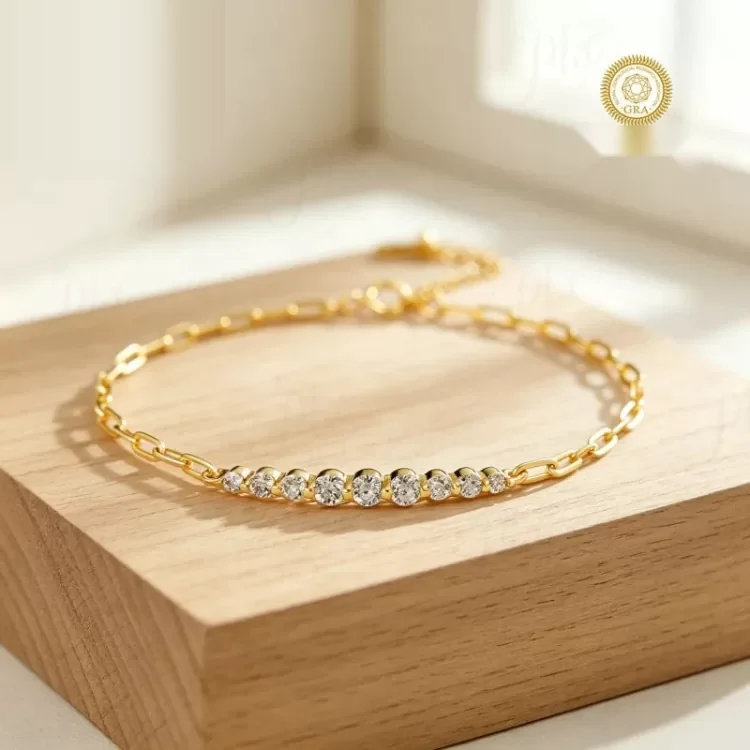
The four categories you will encounter in wholesale bracelets are:
- 925 sterling silver, an alloy of 92.5 percent silver, suitable for charms, chains, and tennis styles
- 10K, 14K, or 18K solid gold, priced by metal weight and karat
- Gold vermeil, sterling silver with a heavy gold surface layer
- Gold plated, a base metal such as brass with a thinner gold finish
Each of these can look similar in a product photo, which is exactly why written disclosure matters. Your supplier should confirm the base metal, the karat where applicable, and the surface treatment in the quotation, the proforma invoice, and the packing documentation. If any of those documents conflict, resolve it before production starts.
Choosing Between Sterling Silver, Solid Gold, Vermeil, and Plated
The right metal depends on your retail price band, your customer's expectations, and how often the bracelet will be worn. Here is how experienced buyers approach each option.
925 Sterling Silver for Everyday Assortments
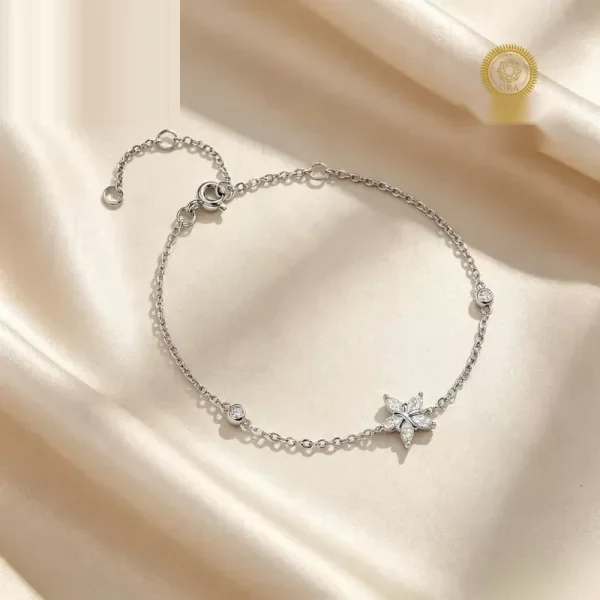
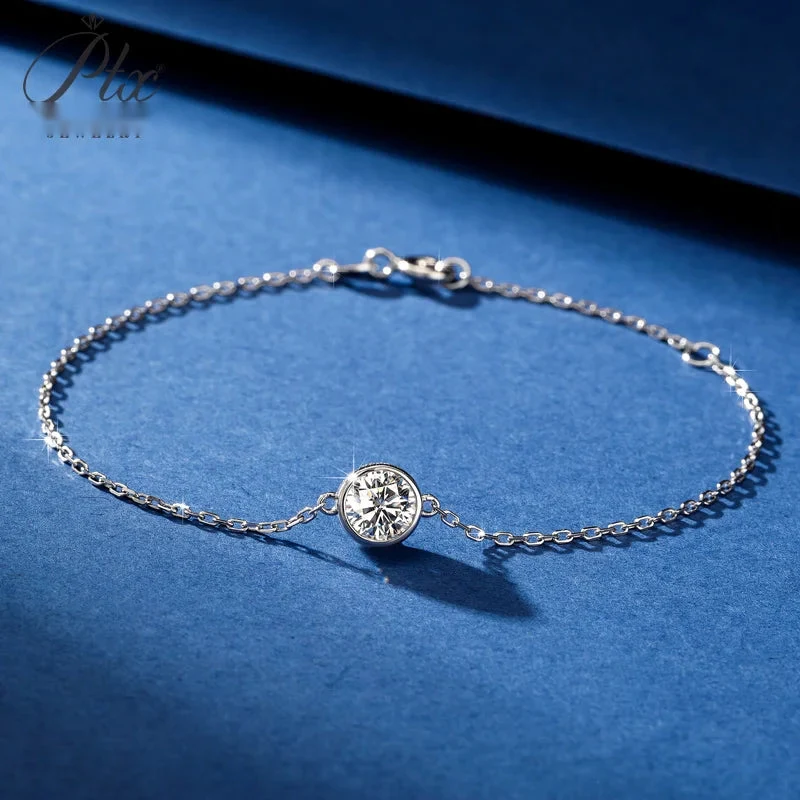
Sterling silver is the most versatile choice for a core bracelet program. It takes a rhodium finish to slow tarnishing, it holds detailed charm and link work well, and it pairs cleanly with graded moissanite stones for tennis and station styles. Moissanite, a lab-created diamond alternative, is commonly set in sterling silver bracelets at accessible price points, and the stones can arrive with GRA or IGI papers so you can verify quality before the goods ship.
Confirm that silver pieces are stamped 925 and that your supplier states the alloy standard on the invoice.
10K, 14K, and 18K Solid Gold for Fine Jewelry Buyers
Solid gold bracelets are quoted per piece with the approximate metal weight stated, because gold content drives most of the cost. 10K offers hardness and a lower gold content, 14K is the most common balance of durability and warm color in the US market, and 18K delivers a richer yellow tone at a higher cost per gram. When comparing factory quotes on solid gold bracelets, ask for the karat, the metal weight per size, and the clasp specification.
That detail lets you compare quotes on equal terms and adjust your buy if gold prices move between quotation and order confirmation.
Gold Vermeil: The Middle Position
Gold vermeil means a sterling silver core with a substantial gold layer on the surface. It gives your customers the look and weight of a fine bracelet at a mid-level price, and it positions naturally between plated fashion pieces and solid gold in your assortment. Ask for the plating thickness in microns so you can describe the piece accurately online.
Vermeil should never be listed as solid gold in your product copy, and your supplier should never describe it that way either.
Gold Plated for Trend and Fashion Programs
Gold plated bracelets over a brass or similar base metal serve trend-driven buyers who refresh their assortment frequently. The disclosure requirement is the same: state the base metal, the plating color such as 14K gold tone, and the plating thickness. Setting customer expectations on wear over time reduces returns and protects reviews. Plated bracelets also work well as sampling candidates when you want to test a silhouette before investing in a vermeil or solid gold version of the same design.
Finish Specification: The Detail Most Buyers Skip
Metal type is only half of the disclosure. The finish determines how the bracelet looks on day one and how it wears in the display case and on the customer's wrist. Write the finish into your order specification rather than leaving it to the factory's default.
- Rhodium finish on sterling silver gives a bright white tone and improved tarnish resistance for e-commerce photography
- Gold tone plating in 10K, 14K, or 18K color lets you match the finish across a mixed-metal capsule
- E-coating adds a protective clear layer over silver for buyers who market a natural silver look
- High polish, satin, and hammered textures change perceived value within the same metal category
Ask your supplier to state the finish on every quotation line and to hold a sealed sample of the approved finish. When bulk production begins, that reference sample becomes the standard the in-process inspection is measured against.
Pricing, Sampling, and Production Timelines for Bracelet Orders
Wholesale bracelets are priced per piece, while loose stones used in tennis or station styles are priced by the carat. That means a moissanite tennis bracelet may carry a per-piece price for the setting and assembly plus a per-carat component for the stones. Request both figures separately so you can see where your money goes and compare suppliers fairly.
Minimum order quantities are flexible for buyers testing the category. Stock styles can be ordered at a minimum of 1 piece, which makes sampling and market testing straightforward, while custom work requires a minimum of 30 pieces per design. This structure lets you validate a new bracelet silhouette on a small stock order before committing to a custom production run.
Timelines are predictable once the specification is locked. Sampling takes 7 to 10 days, and bulk production takes 15 to 25 days after you approve the sample. Plan your buy around that sequence: approve the metal type, finish, and stone specification during sampling, then the production clock starts with no surprises.
Using the Table to Compare Bracelet Options at a Glance
The comparison below summarizes how the main metal and finish options differ across the factors that matter most to a wholesale buyer.
| Option | Base Metal | Typical Positioning | Disclosure Required |
|---|---|---|---|
| 925 sterling silver | Sterling silver | Core everyday assortment | Alloy standard and 925 stamp |
| Solid gold | 10K, 14K, or 18K gold | Fine jewelry price band | Karat and metal weight |
| Gold vermeil | Sterling silver | Mid-level premium line | Silver core and plating thickness |
| Gold plated | Brass or similar base | Trend and fashion programs | Base metal and plating thickness |
Keep this comparison in your buying file and require your supplier's documents to match it line by line. When quotation, invoice, and packing list all agree on base metal and finish, your retail listings inherit accurate data with no extra work.
Quality Control and Delivery: Protecting the Specification You Wrote
A clear metal and finish specification is only as good as the inspection system behind it. Work with a supplier that runs three-stage quality control: incoming material inspection, in-process checks during production, and a pre-shipment AQL inspection. On bracelet orders, the incoming stage verifies the alloy and stones, the in-process stage catches plating color drift against your approved sample, and the pre-ship AQL inspection confirms the finished goods match the approved specification before anything leaves the factory.
For stones, request GRA or IGI papers on graded moissanite so your documentation travels with the goods. For delivery, DDP shipping to the United States takes 5 to 8 days, which means duties and clearance are handled and the bracelets arrive ready for your receiving process. Payment terms follow a standard structure for bulk orders: T/T with a 30 percent deposit and the 70 percent balance before shipment.
Sample orders can be handled through PayPal, which keeps early-stage testing low friction.
Writing Accurate Product Descriptions From Your Supplier Documents
Once the order is confirmed, your product pages should mirror the supplier paperwork exactly. Copy the base metal, karat, and finish from the proforma invoice into your listings, and never upgrade the language: gold plated stays gold plated, vermeil stays vermeil, and moissanite stays moissanite, described as a lab-created diamond alternative rather than a natural or real diamond.
Accurate descriptions reduce disputes, support your return policy, and build repeat trust with US consumers who increasingly read the materials line before they buy.
Frequently Asked Questions
What is the minimum order for wholesale bracelets?
Stock styles can be ordered at a minimum of 1 piece, which is ideal for testing a design before scaling. Custom work requires a minimum of 30 pieces per design. Loose stones for tennis and station bracelets are sold by the carat.
How do I verify the metal type before bulk production?
Require the base metal, karat, and finish in writing on the quotation and proforma invoice, then confirm them again against the approved physical sample. The sampling stage takes 7 to 10 days, giving you time to inspect the finish and stamping before bulk production begins.
Can gold vermeil bracelets be described as solid gold in my store?
No. Vermeil is sterling silver with a gold surface layer, so it must be listed as vermeil with the plating thickness stated. Only 10K, 14K, and 18K solid gold bracelets should carry a solid gold description.
How are moissanite stones in bracelets documented?
Graded stones use GRA or IGI papers, which you can request with your order. Moissanite is a lab-created diamond alternative and should be described that way in your listings. Stones are priced by the carat, separate from the per-piece price of the bracelet.
What are the payment and delivery terms for a bracelet order?
Bulk orders use T/T with a 30 percent deposit and the 70 percent balance before shipment, while sample orders can be paid through PayPal. DDP delivery to the US takes 5 to 8 days after the pre-ship AQL inspection clears the goods.
Build Your Bracelet Program on Clear Specifications
Metal type and finish disclosure is not paperwork overhead; it is the foundation of a bracelet category that sells predictably and returns rarely. Lock the base metal, karat, and finish into every quote, verify them through the 7 to 10 day sampling window, and hold the line through production with three-stage QC and a pre-ship AQL inspection. From there, DDP delivery in 5 to 8 days brings your documented, accurately labeled inventory to your US door.
Browse the full range of bracelets and other categories on our product catalog, read more buying guides like this one on our wholesale jewelry blog, and start your sampling conversation through our contact page.
Order Terms for Wholesale Buyers
MOQ is 1 piece for stock styles and 30 pieces for custom work, and loose stones are sold by the carat. Sampling takes 7 to 10 days, and bulk production runs 15 to 25 days after the sample is approved. Pricing is quoted per piece or per carat depending on the item. Payment is T/T with a 30% deposit and the 70% balance before shipment, and PayPal is accepted for sample orders.
Sources: Grading references: GIA gem education and GIA laboratory information.