Wholesale Bracelets: MOQ, Sample Order & Bulk Pricing

Wholesale Bracelets: How to Plan Your MOQ and Sample Orders Before You Commit
Bracelets are one of the most flexible categories for wholesale jewelry buyers because the minimum order quantity adapts to how you sell: you can order a single piece of any stock style to test demand, while custom bracelet work starts at 30 pieces.
This article walks through the practical planning steps US buyers face when ordering bracelets, from the first sample to the bulk shipment, so you can build a buying schedule that protects your cash flow and keeps your product calendar on track.
Understanding MOQ Rules for Bracelets
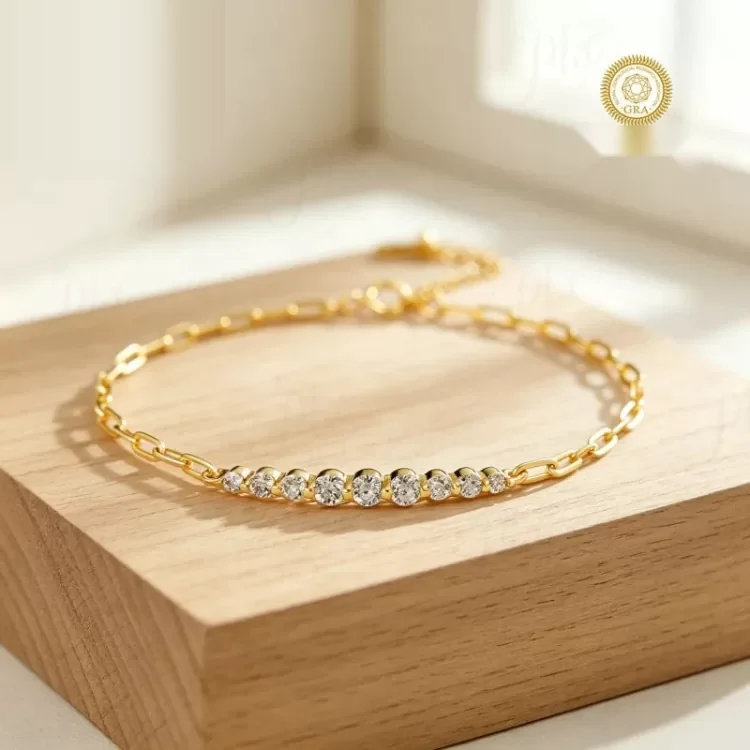
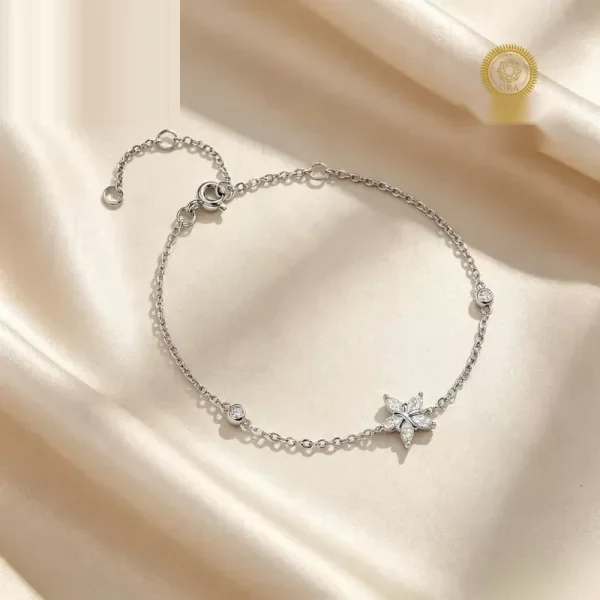
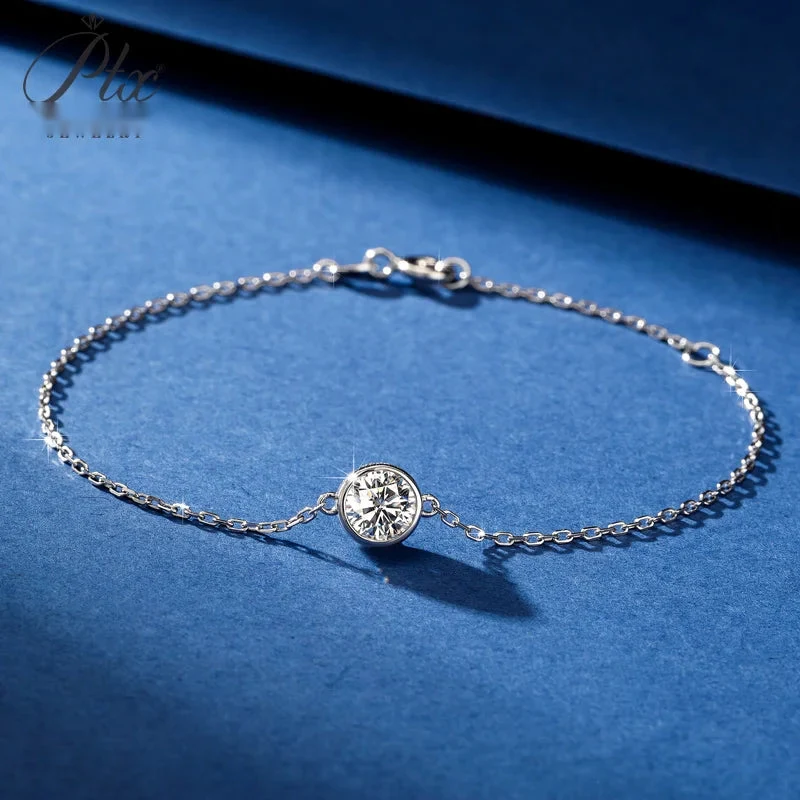
The first decision is whether you need stock styles or custom work. Stock bracelet styles carry a minimum order quantity of 1 piece, which means you can hand-pick a small assortment of designs to list in your online store or showroom without committing to volume. This is useful for testing which silhouettes move: tennis bracelet styles, bangle designs, charm bracelets, and Cuban link patterns each appeal to different customer segments.
Custom work works differently. Custom bracelets require a minimum of 30 pieces per design, which typically covers your logo engraving, a modified clasp, a specific metal choice, or a stone layout unique to your brand. Loose stones for bracelet settings are sold by the carat, so custom orders with graded stones are quoted per carat for the material and per piece for the finished jewelry.
Knowing which pricing structure applies to each line item helps you build an accurate cost sheet before you negotiate with retail markup in mind.
Stock Styles Versus Custom Runs: Which Path Fits Your Business
If you are launching a new bracelet collection, a common approach is to order one piece of several stock styles as market tests, then take the winning designs into a 30-piece custom run with your branding. This sequencing keeps your upfront spend low and reduces the risk of sitting on inventory.
Buyers who skip the test stage often discover that a design sells well in one metal but poorly in another, which the single-piece stage would have revealed at a fraction of the cost.
Sample Order Planning: Timeline and Payment Terms
Sampling for bracelets takes 7 to 10 days. That window covers production of the sample itself, quality checks, and preparation for shipping. When you plan your buying calendar, build in this window plus transit time before you set a launch date or promise a catalog to your customers.
Payment terms differ by order type, and planning around them matters. Sample orders are paid through PayPal, which keeps the transaction simple and low-commitment. Bulk orders use T/T payment with a 30 percent deposit to start production and the 70 percent balance before shipment. Budgeting for both stages means you should have the deposit ready when samples are approved and the balance scheduled for the pre-shipment inspection window.
What to Check on Your Bracelet Sample Before Approving Bulk
- Clasp function: open and close the clasp at least a dozen times to confirm smooth operation.
- Metal verification: confirm the piece is 925 sterling silver, 10K/14K/18K solid gold, gold vermeil, or gold plated as quoted, and never assume plated is solid gold.
- Stone security: check prong and bezel settings for loose stones by tapping gently and inspecting under magnification.
- Stone documentation: for moissanite bracelets, confirm the GRA or IGI paper accompanies the graded stones.
- Sizing: measure the bracelet length against your target market's sizing standards.
Note that moissanite is a lab-created diamond alternative, and the sample stage is the right time to confirm how the stones and metals are described in your own product listings so your marketing stays accurate.
Bulk Production Timing After Sample Approval
Once you approve the sample, bulk production runs 15 to 25 days. Combine that with the 7 to 10 day sampling stage and a realistic reorder cycle for custom bracelets is roughly a month of production before shipping begins. Buyers planning seasonal launches, such as holiday collections or Mother's Day assortments, should count backward from their in-store date and add buffer time for the inspection and delivery stages described below.
For stock styles ordered in small quantities, the timeline is shorter because no sampling or custom production is needed. This is another reason buyers keep a mix of stock and custom bracelets in their assortment: stock pieces fill gaps between custom production runs and keep your catalog fresh without waiting on a factory schedule.
Quality Control Across the Production Cycle
Bracelet production includes three quality control stages: incoming inspection of materials, in-process checks during manufacturing, and a pre-shipment AQL inspection before goods leave the factory. Understanding where each stage sits in the timeline helps you schedule the balance payment, since the final 70 percent is due before shipment, after the pre-ship AQL inspection has cleared the order.
Why the Three-Stage QC Model Matters for Bracelets
Bracelets have more moving parts than many other jewelry categories: clasps, links, connectors, and settings all create potential failure points. Incoming inspection catches defective raw materials before they enter production, in-process checks flag issues like uneven stone setting or weak solder joints while corrections are still inexpensive, and the pre-ship AQL inspection gives you a statistically defined check of finished goods before the balance payment is released.
Ask for inspection documentation at each stage so your records support any claims you make to your own retail customers.
Pricing Structure and Delivery Planning
Bracelet pricing is quoted per piece or per carat depending on the item, and loose stones are sold by the carat. When you compare quotations across suppliers, make sure each quote states which basis applies so your cost sheet compares like with like. A per-carat quote on a stone-set bracelet covers the stone material, while the per-piece component covers metal and labor.
Delivery to the US uses DDP terms and takes 5 to 8 days after production completes. DDP means the shipment arrives with duties handled, so you can land bracelets on your shelves without surprise customs charges. Combine the 5 to 8 day transit with the production stages and your full planning timeline looks like this:
Use the reference table below to line up each stage, its duration, and its payment event:
| Stage | Duration | Payment Event | Output |
|---|---|---|---|
| Sample production | 7 to 10 days | PayPal on sample order | Approved sample |
| Bulk production | 15 to 25 days | 30 percent T/T deposit | Finished bracelets |
| Pre-ship AQL inspection | Before shipment | 70 percent balance | Cleared goods |
| DDP delivery to US | 5 to 8 days | Included in terms | Stock on hand |
With these numbers in hand, a custom bracelet order of 30 pieces typically moves from deposit to delivery in roughly four to six weeks. Stock-style orders in single-piece quantities move faster since sampling and bulk production do not apply. Build both timelines into your purchasing calendar and you can promise realistic restock dates to your retail accounts.
Planning Reorders and Cash Flow
Because bulk orders split payment into a 30 percent deposit and a 70 percent balance before shipment, you can stagger cash outlays across the production window rather than paying everything upfront. Track your sell-through on stock styles ordered at 1-piece MOQ to identify which designs justify a 30-piece custom run, and schedule the deposit for your custom order to coincide with revenue from your tested stock pieces.
This sequencing smooths cash flow and keeps your inventory investment aligned with actual demand signals.
Order Terms for Wholesale Buyers
MOQ is 1 piece for stock styles and 30 pieces for custom work, and loose stones are sold by the carat. Sampling takes 7 to 10 days, and bulk production runs 15 to 25 days after the sample is approved. Pricing is quoted per piece or per carat depending on the item. Payment is T/T with a 30% deposit and the 70% balance before shipment, and PayPal is accepted for sample orders.
Frequently Asked Questions
Can I order a single bracelet to test a style?
Yes. Stock styles carry a minimum order quantity of 1 piece, so you can order a single bracelet in any available design. Custom work requires 30 pieces per design.
How long does a bracelet sample take?
Sampling takes 7 to 10 days. Add shipping time on top of that window when you plan your approval and launch dates.
What payment methods apply to bracelet orders?
Sample orders are paid through PayPal. Bulk orders use T/T with a 30 percent deposit and the 70 percent balance due before shipment.
How are stone-set bracelets priced?
Pricing is per piece or per carat depending on the item, and loose stones are sold by the carat. Confirm which basis applies to each line item before you finalize your cost sheet.
What paperwork comes with graded stones in bracelets?
Graded stones use GRA or IGI papers. Ask for the documentation with your sample so it can accompany the stones through to your finished inventory.
Start Your Bracelet Sourcing Plan Today
Planning your bracelet program around the 1-piece stock MOQ and the 30-piece custom minimum lets you test demand before you commit volume, and the timelines above give you a realistic calendar from sample to delivery. Browse the available designs in our bracelet product catalog, read more sourcing guidance in our wholesale jewelry blog, and request samples or a custom quote through our contact page to put your buying plan into motion.
Sources: Grading references: GIA gem education and GIA laboratory information.