Wholesale Earrings: Stone Grading & Color Consistency

Why Stone Grading and Color Consistency Are the Two Decisions That Make or Break Your Earring Program
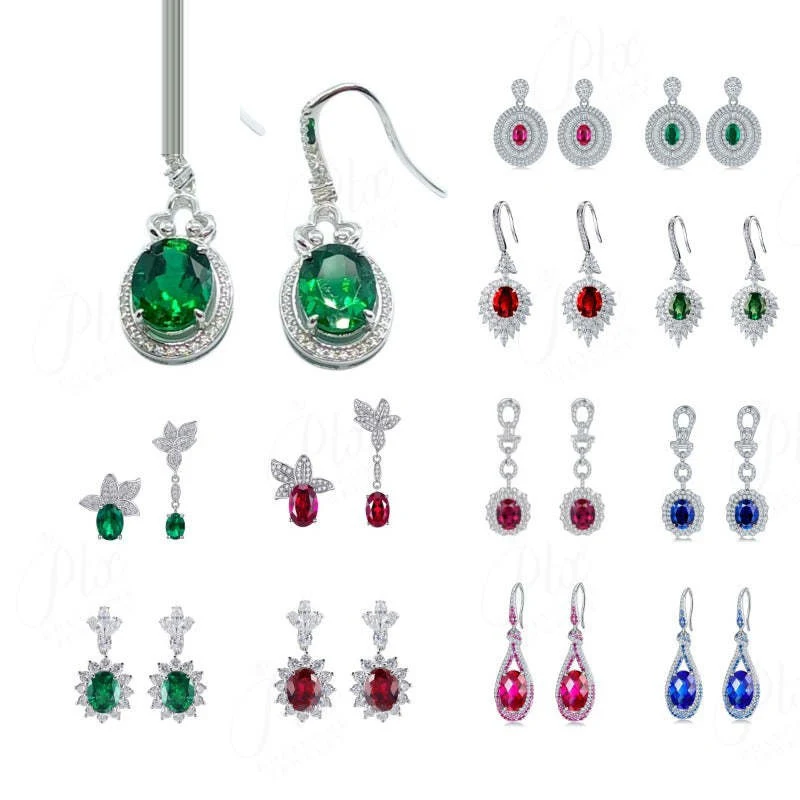
For wholesale buyers sourcing earrings, stone grading documentation and color consistency across pairs are the two factors that most directly affect returns, customer complaints, and repeat order rates. Earrings are worn in pairs, and a mismatched pair is the single most common reason earring orders get rejected at retail.
This guide explains how to read grading certificates for moissanite earrings, how to set color tolerances with your supplier, and how to write quality terms into your purchase order so standards are enforceable rather than assumed. Every recommendation here reflects how orders actually move through a factory: sampling, bulk production, inspection, and shipment.
Grading Papers for Earring Stones: What Wholesale Buyers Should Request
Moissanite is a lab-created diamond alternative, and it is documented through its own certification channels rather than natural diamond reports. Stones used in our earrings ship with GRA or IGI papers, and the certificate you receive should let you verify each stone against your purchase order before goods leave the factory.
What a Certificate Should Cover for Pair-Based Jewelry
For earring stones, ask that the certificate list carat weight per stone, color grade, clarity grade, and cut proportions. Because earrings are sold in pairs, request documentation that references both stones in a pair rather than a single representative stone. This matters when a retail customer questions a pair months after purchase; you want paperwork for each individual stone, not a generic lot description.
If you buy loose stones by the carat for setting into earrings, request papers per stone lot so the setting workshop can match pairs before assembly instead of after, when correction costs are higher.
Choosing Between GRA and IGI Papers
Both GRA and IGI papers are accepted for moissanite earrings, and the choice usually depends on your sales channel. IGI certification carries broad recognition among United States retail consumers, which can support your point-of-sale materials and product listings. GRA papers offer consistent trade documentation and are widely used in wholesale transactions where the end buyer is another business rather than a consumer.
Confirm the certificate option during the sampling stage, because adding certification after bulk production begins complicates matching and delays the production schedule. Whichever paper you choose, keep copies with your order file so any future dispute can be resolved against written records.
Setting Color Tolerances for Earring Pairs and Sets
Color consistency matters more for earrings than for single-stone rings because two stones sit side by side on the face. Even within accepted commercial grading ranges, two stones at opposite ends of a range can look different under store lighting or daylight. The practical fix is to specify a tighter matching tolerance for pairs than you would accept for solitaire pieces, and to put that tolerance in writing.
The table below is a working framework you can adapt with your supplier before sampling.
| Earring Type | Matching Standard | Reason | Inspection Point |
|---|---|---|---|
| Stud pairs | Both stones from one matched lot | Side-by-side wear shows color shifts | Pre-ship AQL inspection |
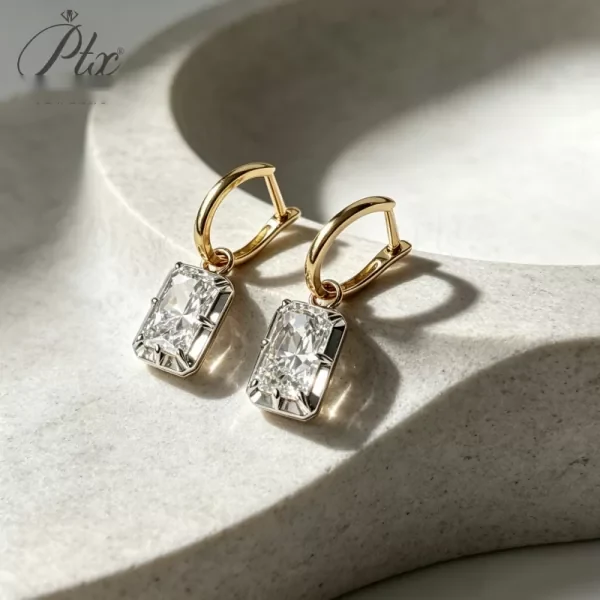
| Drop earrings | Matched within each pair | Movement highlights brightness differences | In-process check after setting |
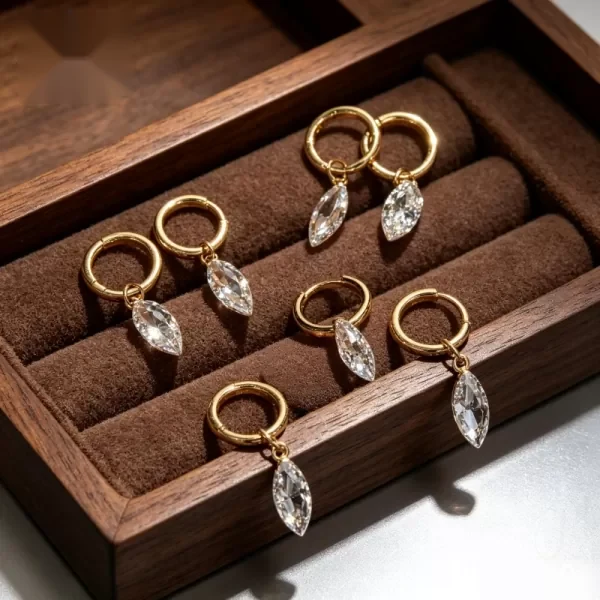
| Stone-set hoops | Matched across the full hoop | Stones align along a visible curve | In-process during stone setting |
| Multi-piece sets | Matched across all pieces | Buyers compare earrings to other pieces | Pre-ship AQL inspection |
Once you agree on a standard, reference it in the purchase order along with the certificate type. A written tolerance gives both sides a clear benchmark to inspect against, and it prevents disagreements at the pre-shipment stage when goods are packed and time is short.
Metal Selection and Its Effect on Perceived Stone Color
The metal surrounding a stone changes how its color reads to the eye, and naming the metal accurately protects both your compliance and your credibility with retail buyers.
925 Sterling Silver Settings
Sterling silver is the workhorse metal for fashion earring programs and keeps unit costs manageable for volume buyers. Its bright white tone complements near-colorless stones and does not add warmth to the overall piece. Silver requires rhodium or similar finishing to slow tarnish, so confirm the plating specification and thickness in writing.
Price for silver earrings is quoted per piece, and the minimum order quantity is 30 pieces for custom work, while stock styles can be ordered starting from 1 piece.
10K, 14K, and 18K Solid Gold Settings
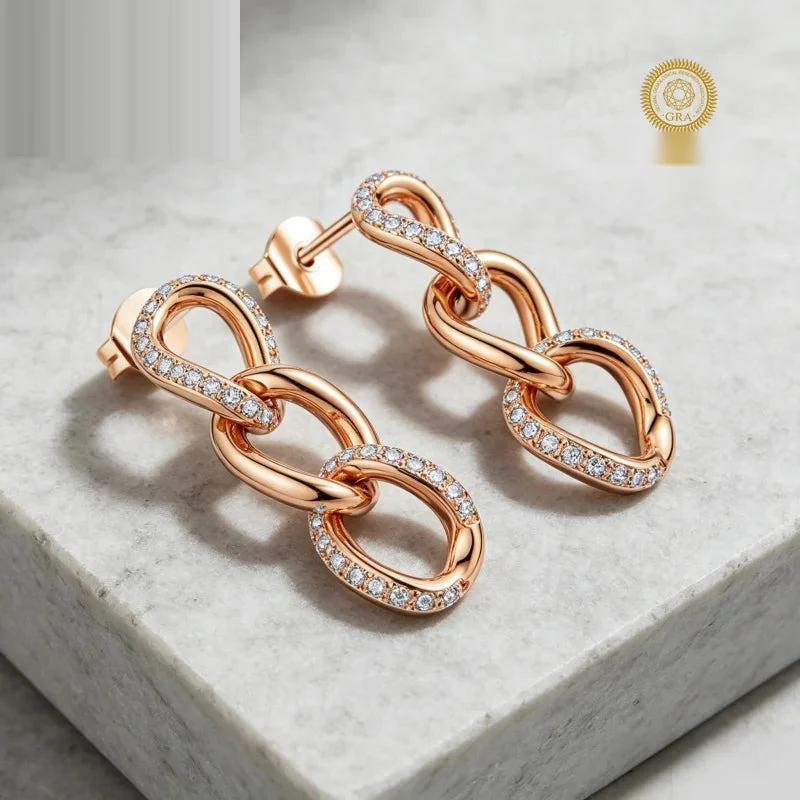
Solid gold in 10K, 14K, or 18K suits fine jewelry positioning and carries a higher price per piece. Gold color affects stone perception: yellow and rose gold cast a warm reflection into the stone's lower facets, while white gold keeps the read cooler. If you run the same earring design in yellow and white gold, ask the factory to color-match stones separately for each metal version, because the same stone can read differently in each setting.
Gold Vermeil and Gold Plated Options
Gold vermeil is a thick gold layer over sterling silver, and gold plated is a thinner layer over a base metal. Both are legitimate choices for fashion programs, but neither is solid gold, and your listings should say exactly what the metal is. For earring posts and hooks in plated lines, consider specifying sterling silver posts, since ear sensitivity complaints are a frequent retail issue.
Confirm the plating specification at sampling and recheck it during bulk, because plating color shifts are a color consistency problem in their own right, separate from the stones.
How QC Actually Catches Color Mismatches
A three-stage quality control process is what turns written tolerances into verified goods. Understanding where each check happens helps you see why last-minute fixes are difficult and why early specifications save time.
Incoming Material Inspection
Before production starts, stones and metals are checked against purchase order specifications at incoming inspection. This is where certificate details are compared to the loose stones themselves, and where mismatched stone lots are caught before any setting work begins. If a stone lot fails to match the order, replacement happens at raw material cost rather than at rework cost, which is why this stage protects both budget and schedule.
In-Process Checks During Setting
During bulk production, in-process checks confirm that pairs are assembled from matched stones and that settings hold stones at the intended angles. A stone set at a slightly different angle can appear darker or lighter than its partner even when both stones are well matched, so angle consistency is part of color consistency. For hoop earrings with multiple stones, the in-process check verifies spacing and alignment along the curve before the piece moves to finishing.
Pre-Shipment AQL Inspection
Before shipment, a pre-ship AQL inspection samples finished earrings against the agreed standards, including pair matching, stone security, plating color, and certificate accuracy. If you have a written tolerance in the purchase order, the inspector checks against it directly. Buyers who want extra confidence can review inspection records before the balance payment is released, which ties quality acceptance to the payment milestone described below.
Ordering, Payments, and Timelines for Earring Programs
Pricing for earrings is quoted per piece, while loose stones are priced per carat, so a program that includes both setting stones and finished goods will carry two pricing lines. The minimum order quantity is 1 piece for stock styles and 30 pieces for custom work, which makes it practical to test a matched-pair design in a small run before committing to volume.
Sampling takes 7 to 10 days, and bulk production takes 15 to 25 days after sample approval, so plan your buying calendar around roughly a month of lead time once the sample is signed off.
Payment terms follow a standard structure: T/T with a 30 percent deposit and a 70 percent balance before shipment, while sample orders can be paid through PayPal. This structure works in your favor on color consistency, because the balance is due only after the pre-ship AQL inspection is complete.
Delivery to the United States uses DDP terms and takes 5 to 8 days, meaning duties and clearance are handled before the goods reach your door and your landed cost is known at the time of ordering.
A Practical Checklist Before You Confirm an Earring Order
Before approving a sample and releasing a deposit, run through the following points with your supplier in writing:
- Confirm the certificate type, GRA or IGI, and that each pair has documentation for both stones.
- Define the color matching standard for pairs, hoops, and sets, and reference it in the purchase order.
- Name the metal exactly: 925 sterling silver, 10K, 14K, or 18K solid gold, gold vermeil, or gold plated.
- Confirm plating specifications and post material for plated lines.
- Set the inspection checkpoints: incoming, in-process, and pre-ship AQL.
- Align your calendar with 7 to 10 day sampling and 15 to 25 day bulk production.
- Confirm DDP shipping to your US delivery address with 5 to 8 day transit.
Buyers who document these points before production consistently avoid the two most expensive earring problems: mismatched pairs discovered at retail and certificate disputes discovered after delivery. The cost of writing one extra page of specifications is small compared to the cost of a rejected shipment.
Order Terms for Wholesale Buyers
MOQ is 1 piece for stock styles and 30 pieces for custom work, and loose stones are sold by the carat. Sampling takes 7 to 10 days, and bulk production runs 15 to 25 days after the sample is approved. Pricing is quoted per piece or per carat depending on the item. Payment is T/T with a 30% deposit and the 70% balance before shipment, and PayPal is accepted for sample orders.
Frequently Asked Questions
Do both stones in an earring pair come with grading papers?
Yes, graded stones ship with GRA or IGI papers, and for earrings you can request documentation that references each stone in the pair. Ask for this at the sampling stage so the factory builds matching and paperwork into the production plan. Certificates issued after bulk production are harder to tie to individual pairs.
What is the minimum order quantity for custom earrings?
Custom earring work starts at 30 pieces, while stock styles can be ordered from 1 piece. This lets you test a new matched-pair design with a small stock purchase before committing to a custom run. Loose stones for setting are sold by the carat rather than by the piece.
How long does a full earring order take from sample to delivery?
Sampling takes 7 to 10 days, and bulk production takes 15 to 25 days after sample approval. DDP delivery to the United States then takes 5 to 8 days. Planning around these stages helps you time launches and seasonal buying without rushing the matching process.
Can I mix metals and stone sizes in one earring order?
Yes, though each specification line is priced separately, with earrings quoted per piece and loose stones per carat. Mixed orders still follow the 30 piece minimum for custom work. Confirm during sampling how stones are matched across different metal versions, since gold color affects how the same stone reads.
How is color consistency verified before my order ships?
The three-stage QC process covers incoming materials, in-process checks during setting, and a pre-ship AQL inspection of finished goods. Pair matching is checked at each stage, and any written tolerance in your purchase order is the benchmark the inspector uses. The 70 percent balance is due before shipment, after inspection is complete.
Start Your Earring Program With Grading and Matching Locked In
If stone grading and color consistency are your priority for an upcoming earring order, the next step is a short conversation about your target styles, certificate preference, and matching standards. Browse our current earring and jewelry range in the product catalog, read more buying guides like this one on the wholesale jewelry blog, and reach out through the contact page to request a quote or start a sampling conversation.
Send your design references and quantity targets, and we will respond with pricing per piece, certificate options, and a production timeline that fits your calendar.
Sources: Grading references: GIA gem education and GIA laboratory information.