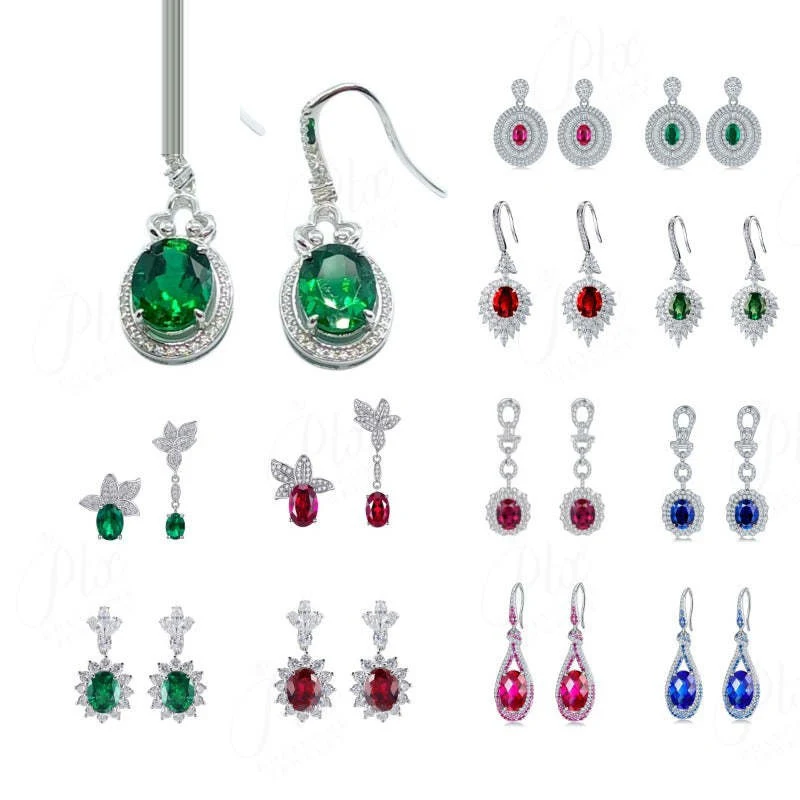
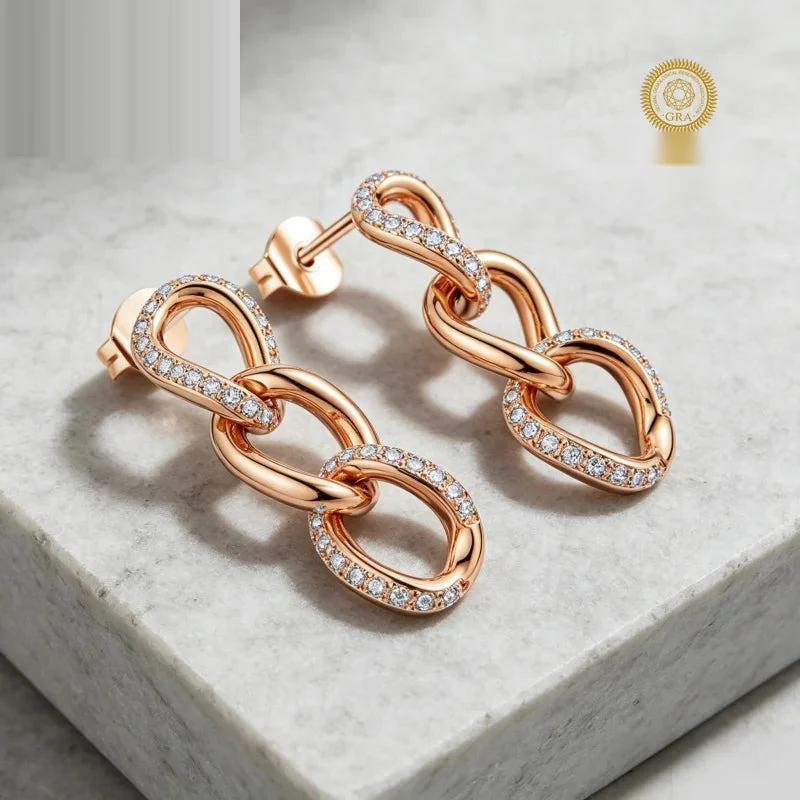
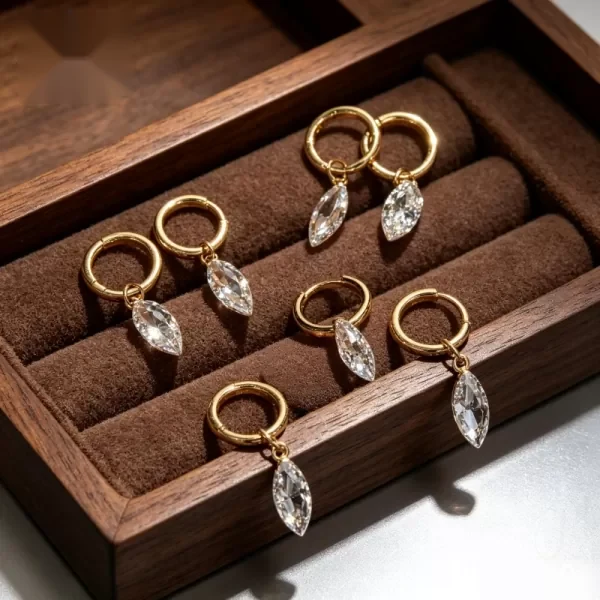
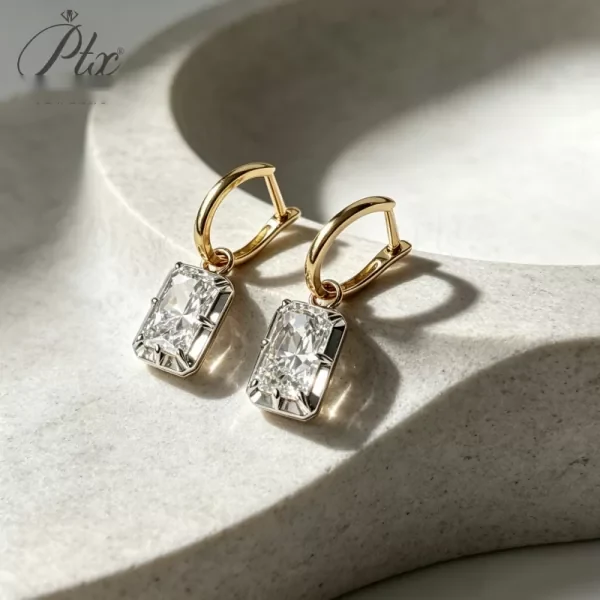
Wholesale Earrings: Metal Type, Finish & Plating

Why Metal Type and Finish Disclosure Matters for Wholesale Earrings
Earrings are one of the fastest-moving categories in jewelry wholesale, but they are also the category where metal mislabeling causes the most disputes. When you source earrings from an overseas manufacturer, the metal type and finish printed on your purchase order determine your resale claims, your customer return rate, and your legal exposure in the US market.
A pair described as "gold earrings" could be 14K solid gold, gold vermeil, or gold plated brass, and those three products carry completely different price points, care requirements, and marketing language. This article walks through how to specify, verify, and disclose metal type and finish when buying wholesale earrings, so your product pages match exactly what arrives in the carton.
The Metal Types You Will Encounter When Sourcing Earrings
Before you can demand accurate disclosure from a supplier, you need a working vocabulary of the metals themselves. Each option serves a different customer segment and price tier, and mixing them up on your invoices is the most common source of wholesale disputes.
925 Sterling Silver
Sterling silver is an alloy of 92.5 percent silver and other metals, usually copper. It is the standard base for stud earrings, hoops, and drop styles in the mid-tier price range. When sourcing moissanite earrings from our factory, 925 sterling silver is the most common setting metal for stock styles. Sterling silver tarnishes over time and needs occasional polishing, which you should disclose to your customers.
Check for the 925 stamp on the post or inside the hoop as a first-line verification step when your shipment arrives.
Solid Gold in 10K, 14K, and 18K
Solid gold earrings are alloyed through and through, not coated. Karat weight tells you the gold content: 10K contains about 41.7 percent gold, 14K about 58.5 percent, and 18K about 75 percent. For wholesale buyers, 14K is the volume leader because it balances durability, color stability, and cost. Solid gold is the correct term only for these alloys.
If a supplier quotes a price that seems too low for "solid gold," ask which karat and get the wording in writing before you wire the deposit.
Gold Vermeil Versus Gold Plated
This is where most labeling trouble starts. Gold vermeil is a recognized category: sterling silver base metal with a thick gold plating layer. Gold plated earrings, by contrast, use a base metal that may be brass, copper, or an unspecified alloy with a thinner gold layer. Both are plated products and neither may be sold as solid gold.
The distinction matters commercially because vermeil commands a higher price and can be marketed with the silver content disclosed, while generic gold plating requires clear language such as "gold plated over brass." When you request a quote, ask the supplier to state the base metal and the plating method separately.
How to Write Metal Specifications Into Your Purchase Order
Vague purchase orders invite vague products. Your order sheet should pin down every attribute that affects labeling, because a written spec gives your QC team measurable criteria instead of assumptions. The following line items cover the attributes that drive disclosure requirements for earrings.
Required Line Items for Every Earring SKU
- Base metal: 925 sterling silver, 10K/14K/18K solid gold, or a named alloy
- Finish: polished, rhodium finished, or plated, with plating type named
- Post type: sterling silver or solid gold posts, especially on plated styles
- Stone details: stone type and carat weight for loose stones sold by the carat
- Stamping: 925, 10K, 14K, or 18K marks applied to the piece
Stamping deserves emphasis. A hallmark is the simplest disclosure device available, because the metal claim travels on the product itself. Confirm stamping requirements before bulk production begins, since adding hallmarks after a production run is not possible. If your order includes moissanite stones, also specify whether you want GRA or IGI papers issued for the graded stones, so the gemstone disclosure matches the metal disclosure on your product pages.
Comparing Metal Options for Your Earring Assortment
Once you understand the terminology, the practical question becomes which metal tiers to stock. Most US retailers carry a mix: plated styles for trend-driven designs, sterling silver and vermeil for the core assortment, and solid gold for fine jewelry customers. The table below summarizes how the main options compare on the attributes that matter for disclosure and resale.
Review this comparison before finalizing your assortment, then discuss any questions with your supplier during sampling.
| Metal option | Base metal | Typical price tier | Disclosure requirement | Best use |
|---|---|---|---|---|
| 925 sterling silver | Silver alloy | Mid | Stamp 925 | Core studs and hoops |
| 14K/18K solid gold | Gold alloy | Fine | Stamp karat mark | Fine jewelry buyers |
| Gold vermeil | Sterling silver | Mid to upper | State vermeil and base | Premium fashion |
| Gold plated | Brass or alloy | Entry | State plated and base | Trend and volume styles |
The entry tier moves fastest in volume, but the mid and fine tiers build customer trust because the metal claims are verifiable and durable. Whichever mix you choose, keep the wording on your product pages aligned with the table above.
Verifying Finish Quality Before Bulk Production
Sampling is your chance to confirm that the finish on the physical sample matches the description on the quote. Our sampling cycle runs 7 to 10 days, and bulk production takes 15 to 25 days after approval, so a careful sample review costs you less than two weeks and prevents a full run of mislabeled goods.
During sampling, test plating adhesion by gently flexing posts and clasps, check color consistency across several pairs, and confirm the post metal matches your spec, since nickel sensitivities are a common reason for customer complaints on plated earrings.
What Three-Stage QC Checks on Metal and Finish
Our quality control runs in three stages: incoming material inspection, in-process checks during production, and a pre-shipment AQL inspection. At the incoming stage, we verify that raw silver and gold stock matches the karat and purity on the mill certificates. In-process checks confirm plating thickness and color uniformity before stones are set. The pre-ship AQL inspection samples finished earrings against your written spec, including hallmark presence, post type, and stone paperwork such as GRA or IGI certificates.
Ask for photos of the AQL sample pull, and you will see the exact pieces being checked against your order.
Matching Payment Terms to Your Risk Level
Sample orders are the low-risk stage for verifying disclosure claims, and we accept PayPal for sample orders for that reason. For bulk production, our terms are T/T with a 30 percent deposit and the 70 percent balance before shipment. Because the balance is due before the goods ship, complete your finish and hallmark verification during sampling and during in-process photo reviews, not after final payment.
Buyers placing custom work should note the 30 piece minimum per style, while stock styles carry a 1 piece minimum, which makes testing a new metal tier inexpensive.
Pricing and Logistics for Disclosed-Metal Earring Orders
Pricing for earrings is quoted per piece, while loose stones for setting are priced per carat. Metal type is the single largest driver of that per-piece price, so an accurate disclosure request gives you an accurate quote. Gold vermeil and gold plated styles price differently from each other because of the base metal and plating thickness, and quoting them as one generic category will produce a quote you cannot resell against.
On logistics, we ship DDP to the US in 5 to 8 days after production and inspection are complete. DDP means duties are handled before delivery, so your landed cost per pair is known at the time you calculate margins. That matters for plated and vermeil tiers in particular, where margins are tighter and a surprise duty charge can erase your planned profit.
Order Terms for Wholesale Buyers
MOQ is 1 piece for stock styles and 30 pieces for custom work, and loose stones are sold by the carat. Sampling takes 7 to 10 days, and bulk production runs 15 to 25 days after the sample is approved. Pricing is quoted per piece or per carat depending on the item. Payment is T/T with a 30% deposit and the 70% balance before shipment, and PayPal is accepted for sample orders.
Frequently Asked Questions
Can I mix metal types in one wholesale order?
Yes. You can combine sterling silver, solid gold, vermeil, and plated styles in a single order, and each style is priced per piece according to its own metal spec. Keep each SKU clearly separated on the purchase order so hallmarks and QC criteria match the right style.
How do I know the plating will not wear off quickly?
Plating longevity depends on base metal, plating thickness, and how the customer wears the piece, so no supplier can promise a specific lifespan. Review the physical sample, confirm the plating method in writing, and set customer expectations by describing the product as gold plated rather than solid gold.
Do moissanite earrings come with grading paperwork?
Graded moissanite stones come with GRA or IGI papers, and you can request that stones above a given carat weight be individually documented. This pairs with your metal disclosure to give customers a complete, verifiable product description.
What is the minimum order for custom earring designs?
Custom earring work requires 30 pieces per style, while stock styles have a 1 piece minimum, and loose stones are sold by the carat. Sampling takes 7 to 10 days and bulk production takes 15 to 25 days after approval.
What terms should I confirm before paying the balance?
Confirm the karat or base metal, the plating type, the hallmark stamps, and any stone certificates before sending the 70 percent balance. Our pre-ship AQL inspection gives you a documented check against those points, and DDP shipping to the US lands in 5 to 8 days.
Build an Earring Program With Accurate Metal Disclosure
Metal type and finish disclosure is not paperwork for its own sake; it is the foundation of how you price, market, and stand behind every pair of earrings you sell. Start by browsing our available styles on the earring product catalog, then read more sourcing guidance on the wholesale jewelry blog.
When you are ready to request samples or a quote with full metal and finish specifications, contact our team through the wholesale inquiry page and we will respond with pricing per piece or per carat for your selections.
Moissanite is a lab-created diamond alternative, not a natural diamond; listings and customer-facing copy should describe it that way.
Sources: Grading references: GIA gem education and GIA laboratory information.