Wholesale Earrings: Payment Terms, Deposit & Balance

How Payment Terms and Deposits Work When Ordering Wholesale Earrings
Wholesale earrings are typically ordered under T/T payment terms, which means you pay a 30 percent deposit to start production and the remaining 70 percent balance before the goods ship, while small sample orders can be paid through PayPal. For a US jewelry buyer, the payment structure is just as important as the design itself, because it determines when cash leaves your account, when production actually begins, and when finished earrings reach your warehouse.
This guide walks through every payment decision you will face on an earring order, from the first sample fee to the final balance, with concrete timelines and order minimums so you can plan your buying calendar with confidence.
Why Payment Terms Matter More for Earrings Than Other Categories
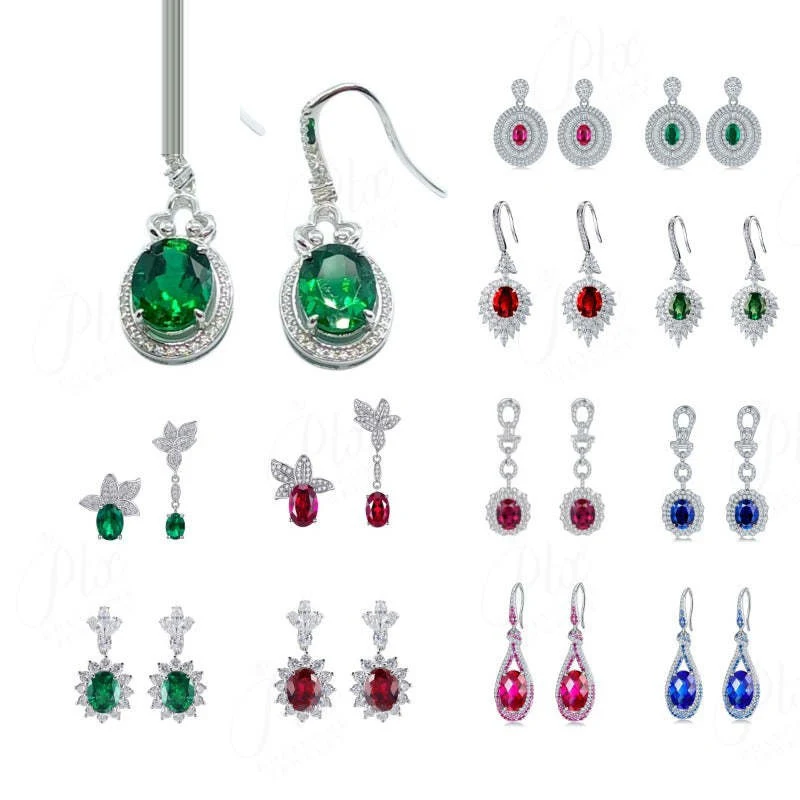
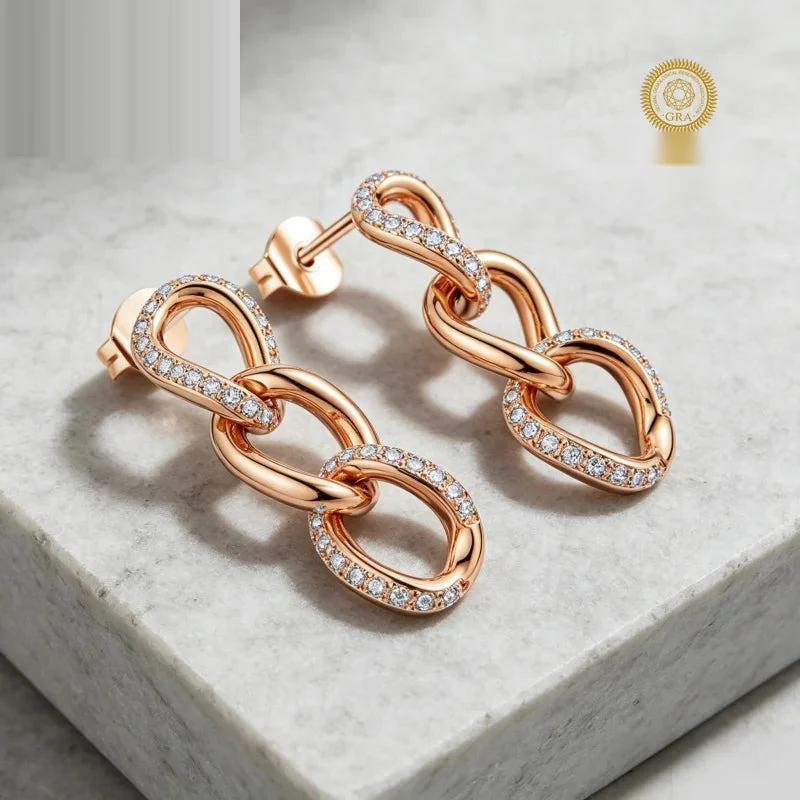
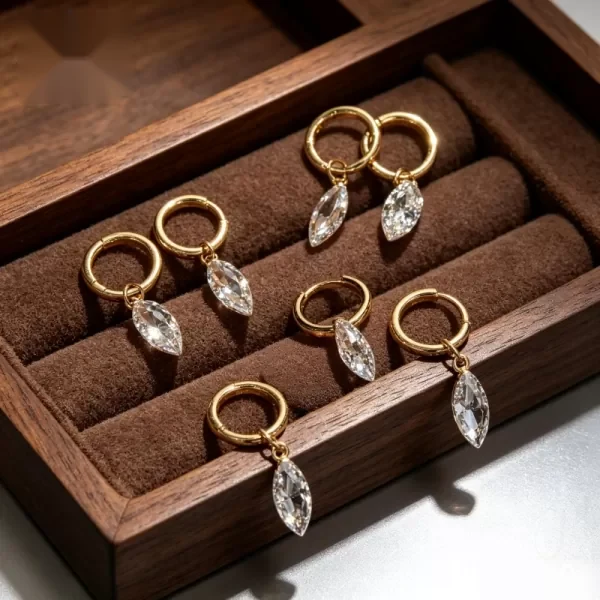
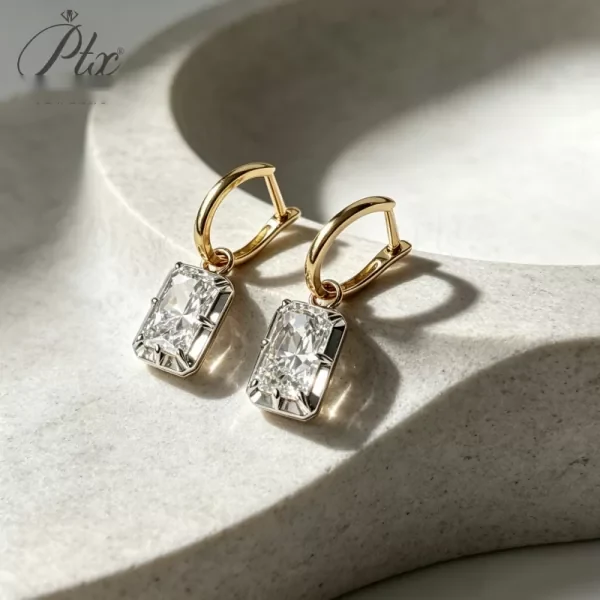
Earrings carry specific cost dynamics that make the deposit stage worth close attention. Unlike single-piece categories, many earring styles are sold as pairs, so per-piece pricing often reflects a matched set with two settings, two stones, and matched findings. Materials also span a wide range: 925 sterling silver, 10K/14K/18K solid gold, gold vermeil, and gold plated brass all sit at different price points, and your deposit locks in the material cost for your run at the moment you commit.
Loose stones add another layer to the math. When you buy loose moissanite, a lab-created diamond alternative, to set into earrings, the stones are priced per carat rather than per piece, and stones that arrive with GRA or IGI grading papers follow that same per-carat logic. Finished earrings, by contrast, are quoted per piece.
Knowing which basis applies to each line item keeps your 30 percent deposit calculation accurate and prevents confusion when the proforma invoice arrives with mixed pricing units.
The Two-Stage T/T Structure Explained
Under standard T/T terms, the order moves through two payment gates. The first gate is the 30 percent deposit, paid when you confirm the order. This deposit commits the factory to source your materials, cast or machine the earring components, and reserve production capacity for your run. The second gate is the 70 percent balance, due before shipment.
Nothing leaves the factory until that balance clears, so if you are timing earrings for a holiday or seasonal launch, the balance payment is the final checkpoint in your critical path.
This structure protects both sides in a familiar, balanced way. The factory is not producing goods on pure credit, and you are not paying in full before you have seen a sample or received quality control results. For repeat buyers, the rhythm becomes predictable: deposit, production, inspection, balance, shipment. Once you have completed one full cycle, every subsequent order follows the same pattern and can be budgeted months in advance.
PayPal for Samples, T/T for Bulk
Sample orders follow a different payment path because of their size and urgency. Samples are paid via PayPal, which executes faster and is more familiar for a first transaction with a new supplier. Sampling takes 7 to 10 days, and during that window you evaluate the details that matter most on earrings: post strength, clasp security, plating consistency on gold plated and vermeil finishes, stone setting quality, and overall polish on sterling silver or solid gold bodies.
Treating the sample stage as its own small investment makes sense. For a modest sample fee and a week and a half of waiting, you confirm the design before committing the 30 percent deposit on a bulk run. Buyers who skip this step often pay for it later in revisions, because a bulk order is built to the approved sample specification. The sample fee is the cheapest insurance available in the wholesale buying process.
Order Minimums and How They Shape Your Deposit
The payment conversation starts with knowing which minimum applies to your order. Stock styles and custom work follow different rules, and the difference directly affects how much cash you commit upfront.
- Stock earring styles: minimum 1 piece, so you can trial a design at low cost before scaling the winners.
- Custom earring work: minimum 30 pieces, since molds, tooling, and setup costs require a production-sized run.
- Loose stones: sold by the carat, so your deposit reflects carat weight and stone size rather than unit counts.
Because stock styles carry a 1-piece minimum, many buyers use them as a low-risk entry point: pay a small amount via the standard terms, receive the goods through DDP delivery, test demand, and then move into custom work once the sales data supports it. Custom work at 30 pieces requires a larger deposit in absolute terms, but it also delivers exclusive designs that differentiate your store.
Matching the order type to your cash position is one of the most practical decisions a buyer makes.
Mapping Payments to the Production Calendar
Payment milestones align directly with production stages, and mapping them prevents delays. Bulk production of earrings runs 15 to 25 days after you approve the sample. The 70 percent balance is due before shipment, so the largest share of your cash outlay happens while the goods are still in the factory. From deposit to delivery, a realistic window is roughly three to five weeks of production plus 5 to 8 days of DDP shipping to the US.
Here is a practical timeline you can adapt to your own buying calendar:
- Week 0: Pay the sample fee via PayPal; sampling begins.
- Days 7 to 10: Receive and evaluate the sample, request revisions if needed.
- Approval day: Pay the 30 percent T/T deposit; bulk production starts.
- Days 15 to 25 of production: Three-stage QC wraps and goods are packed.
- Pre-shipment: Pay the 70 percent balance before the goods leave the factory.
- Days 5 to 8 after shipment: DDP delivery arrives at your US address.
Buyers ordering custom earrings should build this schedule into seasonal planning so the balance payment does not fall due later than the goods are ready to move. A late balance is the most common self-inflicted delay in wholesale jewelry, and it is entirely avoidable with calendar planning.
Quality Control Between Your Deposit and Your Balance
The space between the two payments is where quality is verified, and understanding that process helps you see what the payment structure actually buys you. Production passes through a three-stage QC system: incoming material inspection, in-process checks during manufacturing, and a pre-ship AQL inspection before packing. By the time your balance payment is requested, the goods have already cleared the final inspection gate.
This sequencing matters for your payment decision. The balance is due before shipment, which gives you a defined moment to confirm that the pre-ship AQL inspection has been completed and passed. Ask for inspection confirmation alongside the balance invoice, and the two documents together give you a clean paper trail from deposit to delivery. Buyers who align their payment release with QC milestones rarely encounter disputes, because both parties are working from the same documented checkpoints.
Verifying Stone Paperwork Before Paying the Balance
For earring styles set with graded stones, the paperwork should be confirmed before you release the final 70 percent. Stones sold with GRA or IGI papers arrive with documentation that matches the carat weight and grading details on your invoice. Checking that the papers match the order specification before the balance clears is a simple step, and it is far easier to resolve a discrepancy with the goods still at the factory than after DDP delivery to the US.
For ungraded loose moissanite purchased by the carat, the same logic applies to weight confirmation. Because loose stones are priced per carat, the carat total on the invoice drives your final balance amount. A quick reconciliation of invoice weight against ordered weight before payment keeps the numbers aligned across the whole transaction.
Comparing Order Types on Payment and Timing
The right payment path depends on what you are buying, and seeing the order types side by side makes the decision easier. Stock earrings, custom earrings, and loose stones each follow a slightly different pattern in minimums, pricing, and lead time. The table below summarizes how the main categories compare for a US buyer planning payment schedules.
| Order Type | Minimum | Pricing Basis | Lead Time After Deposit |
|---|---|---|---|
| Stock earrings | 1 piece | Per piece | 15 to 25 days plus shipping |
| Custom earrings | 30 pieces | Per piece | Sampling then 15 to 25 days |
| Loose moissanite | Sold by carat | Per carat | Confirmed at order stage |
Reading the table with your cash flow in mind clarifies the trade-offs. Stock styles at 1-piece minimums let you commit small deposits and test quickly. Custom runs at 30 pieces commit more capital upfront but produce exclusive designs. Loose stones priced per carat sit outside the per-piece structure entirely and are best budgeted as a separate materials line in your buying plan.
Practical Budgeting Tips for the Deposit and Balance Cycle
Once the terms are clear, the remaining work is disciplined budgeting. A few habits keep the payment cycle smooth across multiple earring orders.
- Budget the full order value, not just the deposit, when you confirm a run; the 70 percent balance arrives mid-cycle, not at the end.
- Keep sample orders on PayPal so they stay separate from your T/T production ledger and easy to reconcile.
- Set internal reminders for the balance payment date, aligned to the end of the 15 to 25 day production window.
- Reconcile per-piece and per-carat line items on every invoice before paying the deposit, not after.
- Confirm DDP delivery details when you pay the balance so the 5 to 8 day US transit starts without administrative delays.
Buyers who run this discipline across several seasons find that payment administration becomes routine, freeing attention for design selection and sales planning instead of invoice chasing.
What to Confirm in Writing Before Sending the Deposit
A short written confirmation before the deposit protects the whole transaction. Confirm the order type and applicable minimum, the pricing basis per piece or per carat, the 30/70 T/T split, the production window of 15 to 25 days after approval, the three-stage QC process, and the DDP shipping arrangement to the US.
With those points documented, the deposit you send triggers a fully specified order rather than a verbal agreement, and the balance stage becomes a formality rather than a negotiation.
Order Terms for Wholesale Buyers
MOQ is 1 piece for stock styles and 30 pieces for custom work, and loose stones are sold by the carat. Sampling takes 7 to 10 days, and bulk production runs 15 to 25 days after the sample is approved. Pricing is quoted per piece or per carat depending on the item. Payment is T/T with a 30% deposit and the 70% balance before shipment, and PayPal is accepted for sample orders.
Frequently Asked Questions
Can I order earrings without paying a deposit?
No, bulk production orders run on T/T terms with a 30 percent deposit and a 70 percent balance before shipment. The deposit is what commits materials and production capacity to your order. Sample orders are handled separately and can be paid via PayPal.
What is the minimum order for custom earring designs?
Custom work requires a minimum of 30 pieces, while stock styles can be ordered from 1 piece. Loose stones are sold by the carat and follow per-carat pricing instead of per-piece minimums. Many buyers start with stock styles and move to custom once demand is proven.
When exactly is the 70 percent balance due?
The balance is due before shipment, after bulk production and the pre-ship AQL inspection are complete. Bulk production takes 15 to 25 days after sample approval, so plan for the balance payment to fall due at the end of that window. Goods ship once the balance clears, with DDP delivery to the US taking 5 to 8 days.
Do graded stones change how I pay for earrings?
Stones with GRA or IGI papers are priced per carat, so those line items follow per-carat invoicing even when the finished earrings are priced per piece. Confirm the paperwork matches the invoice before releasing the balance. This keeps the final payment aligned with the ordered specification.
How long does the full payment-to-delivery cycle take?
Sampling takes 7 to 10 days, bulk production runs 15 to 25 days after approval, and DDP shipping to the US adds 5 to 8 days. From sample payment to delivery, plan roughly five to seven weeks. The deposit starts production and the balance releases the shipment within that timeline.
Move Forward With a Payment Plan That Fits Your Buying Calendar
Clear payment terms turn earring sourcing from a risk into a routine. Start by browsing available styles and loose stone options in the wholesale jewelry product catalog, then read more buying guides on production, quality control, and shipping in the jewelry wholesale blog. When you are ready to request samples or confirm a custom earring run, reach out through the supplier contact page and the team will walk you through the deposit, production, and delivery schedule for your order.
Sources: Grading references: GIA gem education and GIA laboratory information.