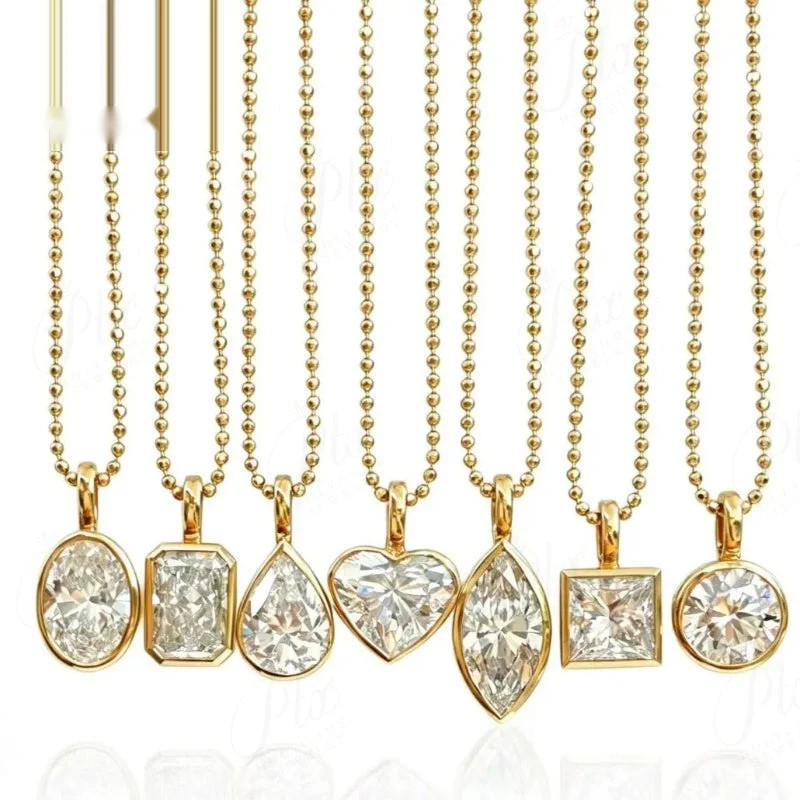
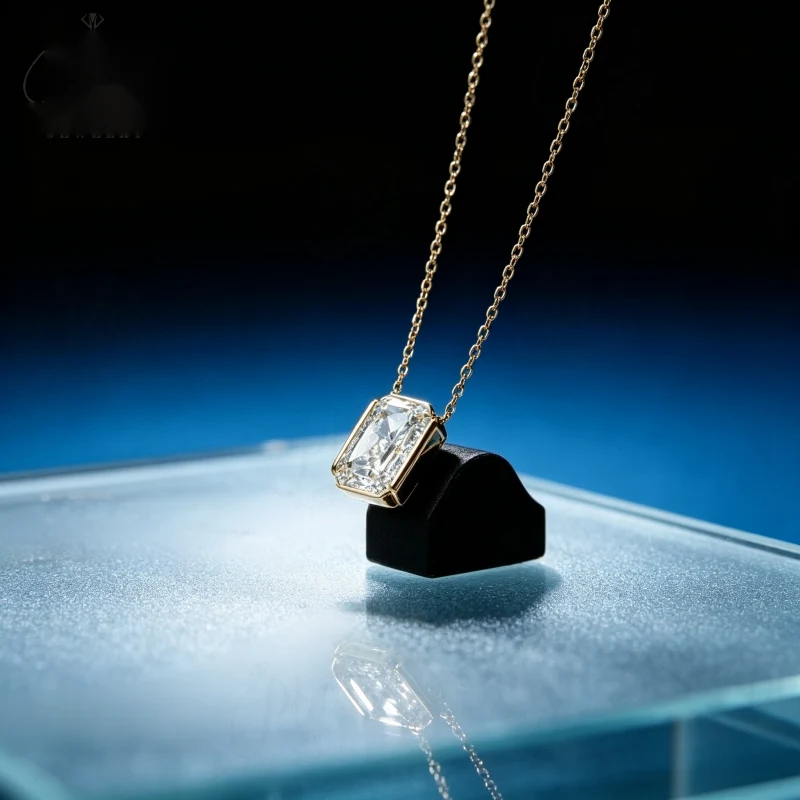
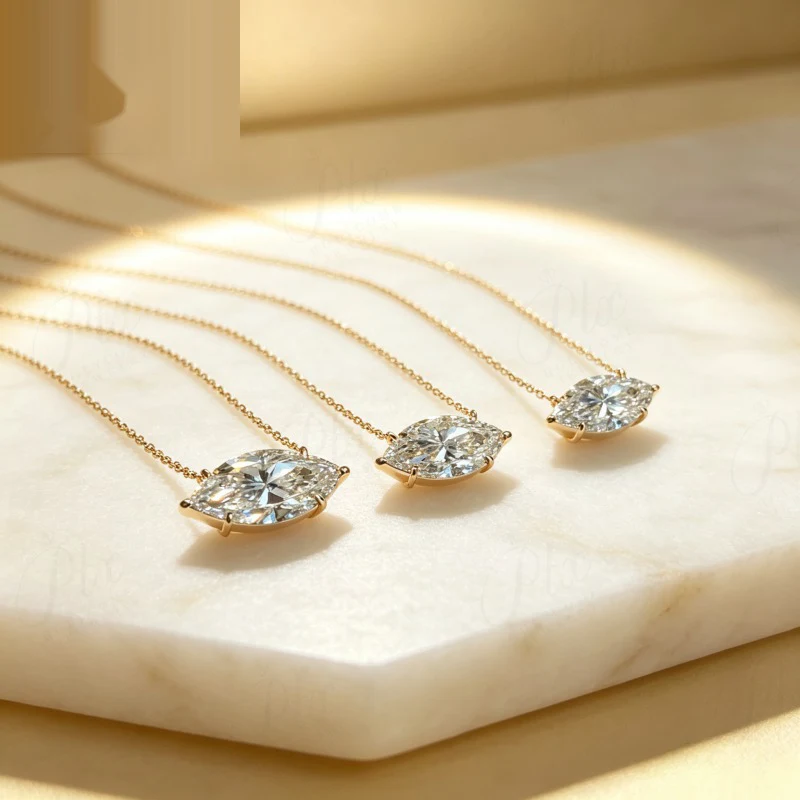
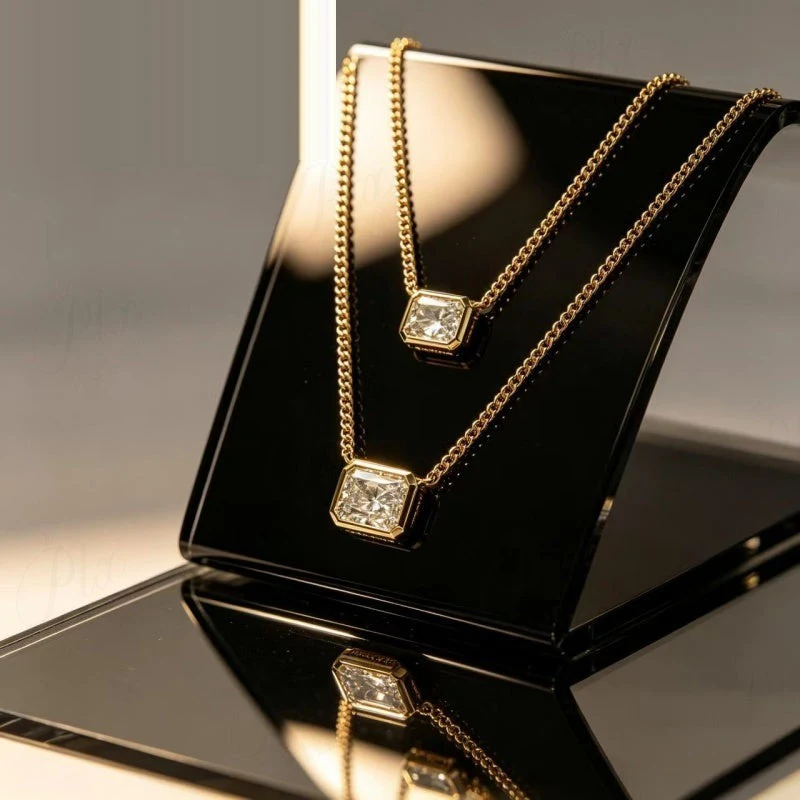
Wholesale Lab Grown Diamonds: Stone Grading & Color Consistency

Lab Grown Diamonds are graded with the same criteria as mined stones, which means color consistency is the single most controllable variable for a wholesale buyer. When you order a matched parcel or a production run of set goods, the difference between D color and G color is visible to the eye in larger stones, and inconsistent color across a lot is one of the most common causes of buyer returns.
This guide explains how grading works, how to specify color across a bulk order, and what paperwork and inspection steps protect you before stones leave the factory.
Why Color Consistency Matters More in Wholesale Than Retail
A retail customer buys one stone and compares it to nothing. A wholesale buyer purchases dozens or hundreds of stones destined for the same product line, and the human eye is sensitive to color differences when stones sit side by side. A parcel mixing F and H color stones will look uneven once the pieces are displayed together on a trade show tray or an online catalog page.
This matters even more for tennis bracelets, eternity bands, and multi-stone pendants where stones sit adjacent to one another. The solution is not buying the highest color grade you can afford. It is specifying a narrow color range, understanding what the grading papers tell you, and confirming that your supplier actually sorts to that range before shipment.
How Lab Grown Diamonds Are Graded for Color
Grading follows the standard D-to-Z scale used across the diamond trade. D, E, and F are considered colorless, G through J are near colorless, and K and below show visible tint in most sizes. Independent grading laboratories issue reports that document the color grade along with clarity, cut, and carat weight.
Two laboratories dominate the paperwork for lab grown stones: GIA and IGI. IGI reports are common for stones in the one carat and under range that dominate wholesale volume, while GIA reports are frequently requested for larger center stones. Both issue reports specific to lab grown material, so a buyer can verify that the stone described on paper matches the stone in the setting.
Every graded stone we supply ships with its GRA or IGI paper, and set goods carry documentation for the center stone.
Reading the Report Beyond the Color Grade
A color grade is a range, not a fixed point. Two stones graded F can sit at opposite ends of that band and appear slightly different under the same light. For production runs, ask your supplier whether they sort within the grade rather than simply buying pre-graded parcels. Sorting within a grade, sometimes called tight picking, keeps a lot visually uniform even though every stone carries the same letter on paper.
Also check fluorescence and growth method notes on the report. These details do not change the grade, but they affect how stones behave under different lighting and help you match replacement stones in later reorders. Keeping a record of the report numbers from your first production run makes repeat orders simpler, since your supplier can source stones that match the original lot.
Graded Loose Stones Versus Set Goods
Loose stones are sold by the carat, so pricing scales directly with size and grade. When you buy graded loose stones, you receive the GRA or IGI paper with each stone, which lets you resell or re-certify with confidence. Set goods present a different situation: the stone is graded before setting, and small melee stones in pave work are often sold as graded parcels rather than individually certified, because certifying tiny stones adds cost without adding much information.
For a ring with a center stone and pave shoulders, a practical specification is a certified center stone with an accompanying GRA or IGI report, plus melee sorted to match or sit one grade apart. That balance keeps cost controlled while the visible center stone carries full documentation.
Choosing a Color Range for Your Product Line
Most wholesale buyers land in the F to G range for solitaires and the G to H range for pave and accent stones. The colorless grades command a premium that is not recovered at retail in every market, while near colorless stones in the G to H band face up white in most settings, particularly in yellow or rose gold where the metal tone masks faint body color.
Consider three questions before fixing your range. First, what metal will surround the stone? White metal settings in 925 sterling silver or 14K solid gold show color differences more readily than yellow gold. Second, how large are the stones? Tint becomes easier to see as carat weight increases, so a G color side stone may look colorless while a G color two carat center stone shows a faint warmth. Third, what is your return tolerance?
Tighter color ranges reduce the chance of a retail customer comparing stones across your catalog and questioning the difference.
| Color range | Typical use | Visual note |
|---|---|---|
| D to F | Solitaire center stones | Colorless in any setting |
| G to H | Accents and mid-size centers | Faint warmth in large white metal settings |
| I to J | Budget melee and pave | Tint visible next to colorless stones |
Use this table as a starting point for conversation with your supplier rather than a fixed rule. The right range depends on your price points, your setting styles, and the expectations of your retail customers.
Specifying Color Consistency in a Custom Order
Custom work begins with a written specification. State the target color as a range, for example G to H sorted within one grade, rather than a single letter. State whether melee must match the center stone or may sit one grade apart, and whether you require individual reports on stones above a certain carat weight. Clear wording at this stage removes ambiguity later.
Our minimum order quantity is 1 piece for stock styles and 30 pieces for custom work, so a custom specification can be tested with a modest production run before you commit to larger volumes. Loose stones remain available by the carat at any quantity, which lets you build a matched parcel to compare against your existing inventory before placing a set-goods order.
The Role of Sampling Before Bulk
Sampling takes 7 to 10 days, and it is the step where color consistency problems are cheapest to catch. Review samples under the same lighting your retail customers will use, whether that is store track lighting or product photography lights. Photograph the samples next to each other and next to your existing line. If stones in the sample set show visible color differences, request tighter sorting before approving bulk production.
Bulk production runs 15 to 25 days after approval. Because approval locks the specification, any color requirement you want enforced must be written into the approved sample agreement, not added verbally afterward.
Inspection Standards for Color Matching
Quality control runs in three stages: incoming inspection of raw stones, in-process checks during setting, and a pre-shipment AQL inspection. During incoming inspection, stones are verified against their reports. During setting, sorters check that stones going into the same piece or the same batch match within the agreed range. The pre-ship AQL inspection samples finished goods against the approved specification, so a lot sorted outside the agreed color band is caught before it reaches the plane.
As a buyer, you can request pre-shipment photos of the actual lot under neutral lighting, and you can request that AQL reports note color consistency specifically. These requests are routine and cost nothing beyond a small amount of communication time.
Delivery and Documentation for US Buyers
Shipping logistics affect grading paperwork in one practical way: keep copies of all reports with your commercial records, since customs documentation and the grading papers travel separately. Delivery to the US is DDP and takes 5 to 8 days, meaning duties and clearance are handled before the parcel reaches your door.
Payment terms are T/T with a 30 percent deposit and the 70 percent balance before shipment; sample orders can be paid through PayPal, which simplifies the trial stage when you are testing a new color specification.
Pricing is quoted per piece for set goods and per carat for loose stones. When comparing quotes across suppliers on the same nominal color grade, ask what sorting tolerance is included, because a G color lot sorted tightly can carry a different price than a G color lot bought as-is from a parcel dealer. The paperwork tells you what a stone is; the sorting discipline tells you whether a lot will look uniform in your display case.
Order Terms for Wholesale Buyers
MOQ is 1 piece for stock styles and 30 pieces for custom work, and loose stones are sold by the carat. Sampling takes 7 to 10 days, and bulk production runs 15 to 25 days after the sample is approved. Pricing is quoted per piece or per carat depending on the item. Payment is T/T with a 30% deposit and the 70% balance before shipment, and PayPal is accepted for sample orders.
Frequently Asked Questions
Do lab grown stones come with the same grading reports as mined stones?
Lab grown stones are graded on the same D-to-Z scale and clarity scale, and laboratories issue reports specific to lab grown material. We supply GRA or IGI papers with graded stones, and each report identifies the stone as lab grown. This gives you documentation you can pass along to retail customers.
Can I mix color grades within one jewelry piece?
Yes, and it is a common cost-control technique. A frequent approach pairs a higher color center stone with melee one or two grades lower, since tint in tiny stones is difficult to see. The key is deciding the relationship in advance and confirming your supplier sorts the melee to match the plan.
What happens if a bulk lot arrives outside the agreed color range?
The three-stage inspection process, ending with a pre-shipment AQL inspection, is designed to catch this before shipment. If you specify a narrow range in writing and approve samples that match it, a lot sorted outside that range is identified during pre-ship inspection and corrected before the balance payment and dispatch.
Is a D color stone worth the premium for wholesale?
For solitaire center stones sold as certified goods, D and E color support a premium positioning and the report justifies it. For accent stones and pave, the visual difference between D and G is minimal in most settings, so G to H melee usually delivers better margin. Match the grade to the role the stone plays in the piece.
How do I keep color consistent across repeat orders?
Keep a record of report numbers, target ranges, and sorting instructions from your first run, and reference them in every reorder. Sampling before each bulk run, at 7 to 10 days, lets you compare new stones against your previous lot under the same lighting before production begins.
Build a Consistent Lab Grown Diamond Line
Color consistency is a specification problem, not a luck problem. Write down your target range, approve samples that match it, and confirm sorting through pre-shipment inspection, and your lots will arrive looking like one product family. To browse stock styles and loose stone options, visit our lab grown diamond product catalog. For more buying guidance on grading, settings, and sourcing, read the wholesale jewelry blog.
When you are ready to request samples or a quote for a custom run, contact our wholesale team and we will respond with specifications, timelines, and pricing per piece or per carat.
Sources: Grading references: GIA gem education and GIA laboratory information.