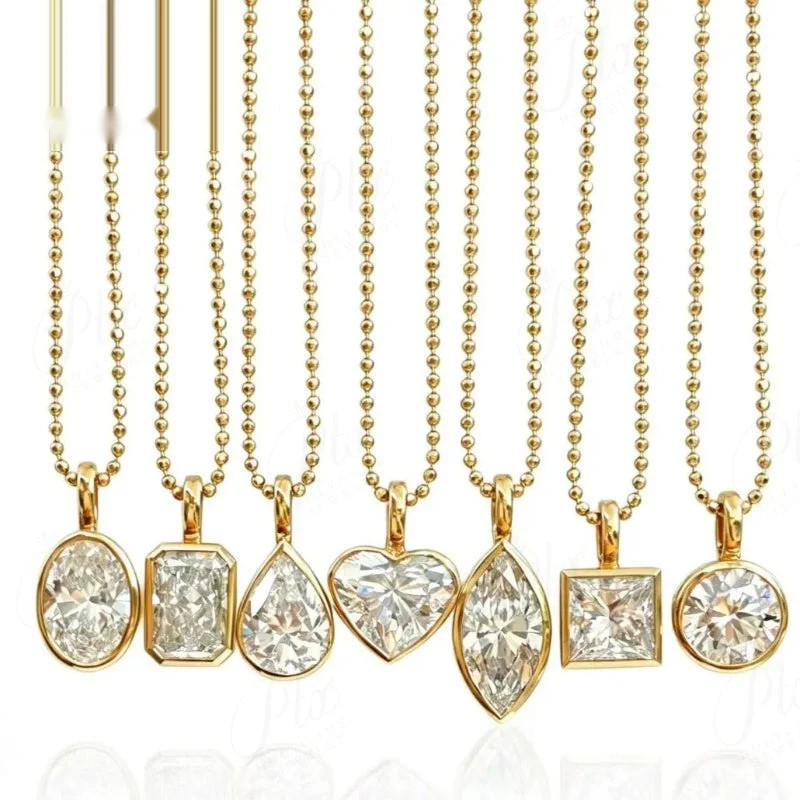
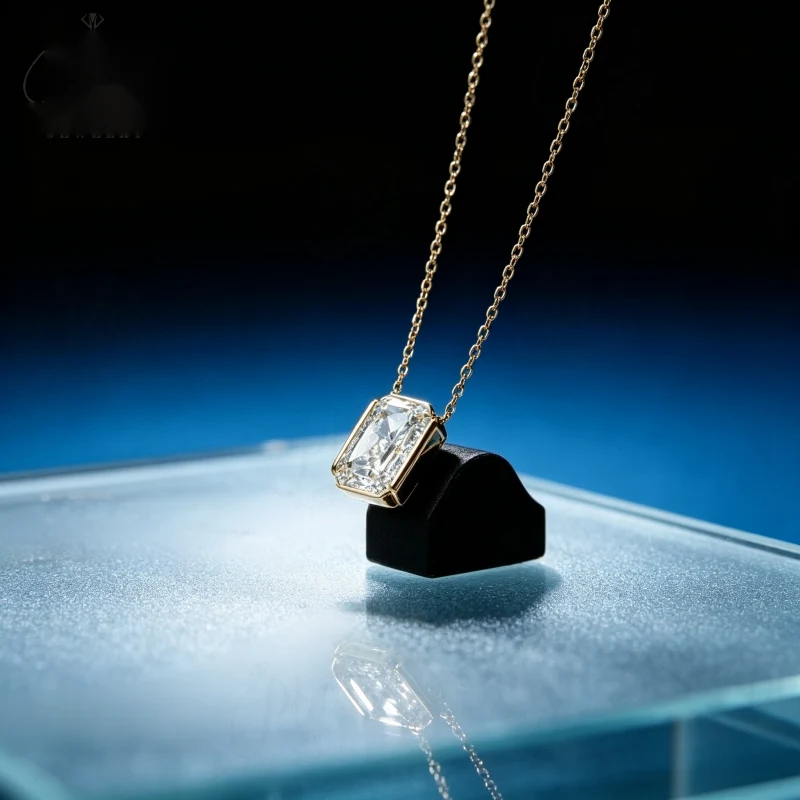
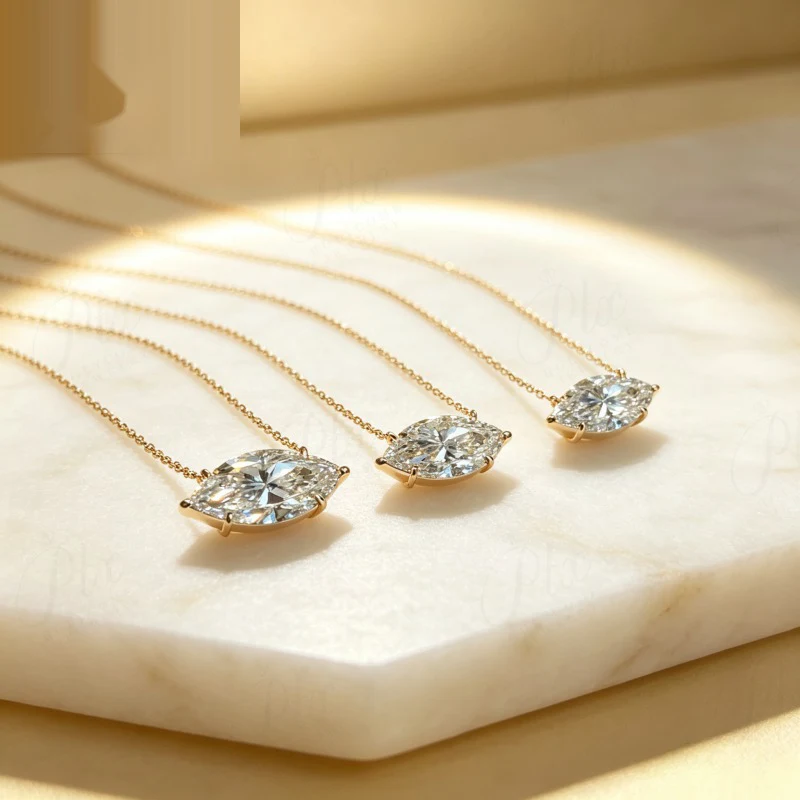
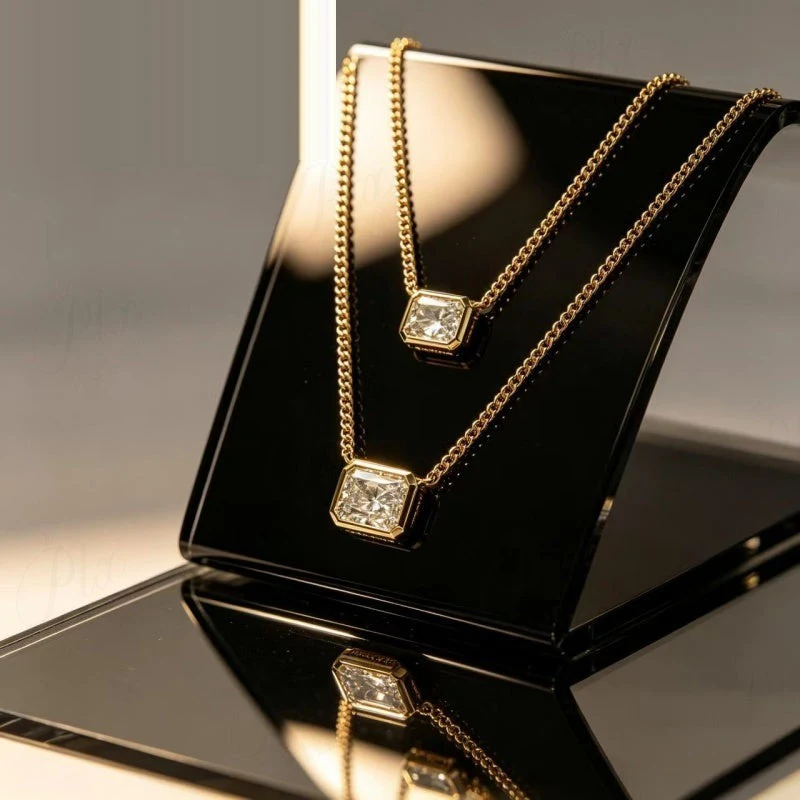
Wholesale Lab Grown Diamonds: Plating Thickness & Tarnish Care

Lab Grown Diamonds in Plated Settings: What Wholesale Buyers Should Know About Tarnish and Care
Lab grown diamonds do not tarnish, but the metal settings that hold them can, and that distinction shapes every wholesale buying decision around plated jewelry. A lab grown diamond is a real crystalline carbon stone grown in a laboratory, chemically and optically the same material mined diamonds are made of, so the stone itself resists discoloration, corrosion, and wear.
The vulnerability sits in the setting: 925 sterling silver under gold plating, gold vermeil, and thin plated finishes on fashion mounts all react with sulfur, moisture, skin chemistry, and friction over time. For US wholesale buyers, understanding where tarnish actually occurs, how plating thickness affects it, and what care instructions to pass down to retail customers is the difference between repeat orders and returns.
This article walks through those practical decisions, from metal selection to QC checks to aftercare copy you can use in your own retail packaging.
Why the Stone Is Not the Problem
When a customer returns a plated lab grown diamond piece complaining that it has "changed color," the stone is rarely the culprit. Diamond, whether mined or grown by CVD or HPHT methods, is chemically inert. It does not oxidize, react with perspiration, or dull from exposure to lotions and household cleaners in any meaningful way. Lab grown diamonds sold with GRA or IGI grading papers carry documented color and clarity grades that will not shift with wear.
Tarnish is a surface chemistry problem, and it belongs to metals. Silver reacts with sulfur compounds in air and on skin to form silver sulfide, the dark film people recognize as tarnish. Copper and nickel alloys in base metals oxidize and can migrate through thin plating layers. Gold itself is largely immune, which is why thicker gold layers slow visible change dramatically.
So when you evaluate a lab grown diamond line for tarnish risk, you are really evaluating the setting, not the stone.
What Tarnish Looks Like on a Plated Setting
Tarnish on plated settings shows up in a few predictable ways. The most common is yellowing or browning of white or rhodium-toned surfaces as the underlying silver or alloy shows through. You may also see darkening in recessed areas, around prongs, and inside engravings where plating is thinnest and polishing tools cannot reach. On rings, the inside of the shank often darkens first because it traps moisture and skin contact is constant.
Pendant bails and earring posts show wear at contact points. Recognizing these patterns helps you diagnose whether a customer complaint is a plating failure, a base metal reaction, or simply accumulated residue that can be cleaned off.
Metal Choices and Their Tarnish Behavior
Your first practical decision is the setting metal, because plating quality only delays tarnish on a reactive base; it cannot make a reactive base inert. Below is a comparison of the common options for lab grown diamond settings in a wholesale context.
| Setting metal | Tarnish tendency | Care demands | Typical buyer use |
|---|---|---|---|
| 925 sterling silver, rhodium plated | Low until plating wears through | Re-plate eventually; gentle cleaning | Entry price-point rings and studs |
| Gold vermeil over 925 silver | Moderate as gold layer thins | Avoid abrasion and moisture | Premium-look silver collection |
| Gold plated base alloy | Higher; base can migrate through | Keep dry; limit skin contact | Fashion and trend pieces |
| 10K/14K/18K solid gold | Minimal; may dull, not tarnish | Routine cleaning only | Core fine jewelry line |
Two compliance points matter here. Gold vermeil is sterling silver with a gold layer, and gold plated means a gold layer over a base metal; neither should ever be marketed as solid gold. Solid gold means 10K, 14K, or 18K through the entire piece. Labeling a vermeil or plated lab grown diamond ring as solid gold invites FTC trouble and chargebacks.
Second, lab grown diamonds are lab-created diamond alternatives to mined stones in marketing terms, but they are genuine diamond material; describe them accurately as lab grown and back them with GRA or IGI papers rather than vague claims.
Plating Thickness and Rhodium Over Gold Plate
Plating thickness is the single biggest controllable variable in tarnish resistance. Flash plating measured in fractions of a micron wears through in weeks of daily wear, while heavier electroplating extends service life substantially. Many buyers specify rhodium finishing over gold plate on white-toned pieces because rhodium is hard, bright, and slows base metal exposure. When you request quotes, ask suppliers to state plating thickness and finishing sequence in writing.
A supplier that cannot or will not specify is telling you something about consistency across a bulk run.
Match Metal Grade to Retail Price Point
The plating-versus-solid-gold decision should follow your resale tier. For sub-hundred-dollar retail price points, rhodium-plated 925 sterling silver with lab grown accents is a workable combination, provided your care instructions are honest about maintenance. For mid-tier lines, gold vermeil gives a heavier, goldier look and is a genuine term you can print on packaging.
For core fine jewelry, 10K or 14K solid gold settings eliminate tarnish as a category entirely and pair naturally with GRA or IGI certified lab grown center stones. Trying to sell a plated fashion piece at a fine jewelry price is where tarnish complaints become chargebacks.
Sourcing and Production Decisions That Reduce Tarnish Complaints
Beyond metal selection, several production decisions influence how plated lab grown diamond jewelry ages. Address them before you place a bulk order rather than after the first customer complaint cycle.
Specify Post-Plating Handling
Plated surfaces pick up fingerprints, polishing compound residue, and sulfur exposure during finishing, packing, and storage. Ask how pieces are handled after plating: whether they are rinsed and dried, whether gloves are used, whether anti-tarnish strips or sealed poly bags are used in packing. Sealed individual packaging with anti-tarnish strips costs little per piece and measurably extends shelf life in a warehouse or retail case.
For bulk production runs of 30 pieces or more per custom style, put packaging requirements in the purchase order.
Use the Three-Stage QC to Catch Plating Defects Early
A structured three-stage QC process catches plating problems before shipment. Incoming inspection verifies the base metal specification and plating bath consistency on samples. In-process checks catch thin or skipped plating on hard-to-reach areas before stones are set. The pre-ship AQL inspection samples finished goods against your accepted quality level for surface defects, color uniformity, and adhesion. Ask to see pre-ship AQL records for your order.
Adhesion testing, such as a tape test on sample pieces, reveals plating that will flake in the first month of wear.
Sampling Timeline and What to Test
Sampling takes 7 to 10 days, and bulk production runs 15 to 25 days after approval, so use the sample stage deliberately. Wear a sample ring daily for a week. Expose another to humidity. Wipe one with a jewelry cloth repeatedly to gauge plating adhesion. Check color match between a sample and your reference photos under daylight and store lighting. Sampling is your only low-cost chance to reject a plating recipe, because after bulk approval you own the run.
For sample orders, PayPal payment is standard; bulk orders move on T/T with a 30 percent deposit and the 70 percent balance before shipment.
Writing Care Instructions That Protect Your Margin
The cheapest tarnish mitigation is a care card. Customers who store, clean, and wear plated lab grown diamond jewelry correctly file far fewer complaints. Provide care instructions with every wholesale order and encourage your retail accounts to do the same. Effective cards cover the following points.
- Store pieces individually in sealed bags, away from humid bathrooms.
- Put jewelry on after applying lotion, perfume, and hairspray.
- Remove plated pieces before swimming, showering, and exercise.
- Clean with a soft dry or slightly damp cloth; avoid abrasive pastes.
- Wipe pieces after wear to remove skin oils and residue before storing.
- For vermeil and plated gold, avoid polishing cloths formulated for bare silver.
Note that solid gold settings tolerate more aggressive cleaning, including mild soap and warm water with a soft brush. Because lab grown diamonds are inert, the stone tolerates ultrasonic cleaning; the caution applies to the setting metal and any plating, which ultrasonic energy and solutions can strip or pit.
Re-Plating as a Retail Service Opportunity
Tarnish on plated settings is manageable, not fatal, and that creates a service angle for retailers. Offering re-plating or trade-in toward solid gold upgrades turns a complaint into a second transaction. When you write product copy, frame plating honestly: a plated or vermeil setting offers the look of gold at a lower price and can be refreshed by a jeweler as the finish wears. Buyers who understand this at purchase become repeat customers instead of refund cases.
Logistics and Compliance for US Wholesale Buyers
Pricing for lab grown diamond jewelry is quoted per piece for finished jewelry and per carat for loose stones, so compare quotes on the same basis before committing. Loose lab grown stones are sold by the carat and should arrive with GRA or IGI papers for graded material; verify stone-to-paper match on receipt. DDP delivery to the US takes 5 to 8 days, meaning duties and clearance are handled before the goods reach you, which simplifies landed cost math.
Confirm that cartons are sealed and moisture-protected, since a few days in a humid container can start tarnish on plated pieces before they even reach your shelf. Build a receiving check into your process: inspect plating color and surface condition on a sample of cartons the day goods arrive, while claims are easiest to file.
Documentation to Request With Every Order
Ask suppliers for three documents as standard: written metal and plating specifications, GRA or IGI grading papers for graded stones, and pre-ship AQL inspection records. These three items cover the most common dispute triggers in plated lab grown diamond wholesale: mislabeled metals, unverifiable stones, and surface defects discovered after delivery. A supplier with a functioning three-stage QC process produces this paperwork without friction.
Order Terms for Wholesale Buyers
MOQ is 1 piece for stock styles and 30 pieces for custom work, and loose stones are sold by the carat. Sampling takes 7 to 10 days, and bulk production runs 15 to 25 days after the sample is approved. Pricing is quoted per piece or per carat depending on the item. Payment is T/T with a 30% deposit and the 70% balance before shipment, and PayPal is accepted for sample orders.
Frequently Asked Questions
Do lab grown diamonds tarnish or change color over time?
No. Lab grown diamonds are crystalline carbon and do not oxidize or tarnish. Any color change you see in a returned piece comes from the setting metal or plating, or from surface residue that can be cleaned. Graded stones keep their documented color and clarity, supported by GRA or IGI papers.
How long does gold plating last on a lab grown diamond setting?
It depends on plating thickness, base metal, and wear habits. Flash plating can show base metal within weeks of daily wear, while heavier plating on silver or vermeil lasts considerably longer with proper care. Ask suppliers to state plating thickness in writing and test it during the 7 to 10 day sampling stage.
Is gold vermeil a good choice for lab grown diamond jewelry?
Vermeil, which is gold over 925 sterling silver, offers a gold look at a lower cost than solid gold and is a legitimate term for marketing. It does require honest care instructions because the gold layer thins with wear. It suits mid-tier collections better than daily-wear fine jewelry lines.
What payment terms apply to wholesale orders?
Sample orders are paid through PayPal, which keeps the sampling stage low-risk. Bulk production orders use T/T with a 30 percent deposit and the 70 percent balance due before shipment. Stock styles carry an MOQ of 1 piece, while custom work requires 30 pieces per style.
How fast is delivery to the US after production?
DDP delivery to the US takes 5 to 8 days after pre-ship inspection, with duties and clearance included. Combined with 7 to 10 day sampling and 15 to 25 day bulk production after approval, plan roughly six to eight weeks from first inquiry to goods on your shelf for a custom style.
Next Steps for Your Lab Grown Diamond Program
Plated lab grown diamond jewelry can be a profitable category when you control the variables that drive tarnish: setting metal, plating thickness, packaging, and customer education. Start by reviewing the product range at our lab grown diamond jewelry catalog to compare rhodium-plated silver, vermeil, and solid gold setting options side by side, then read more buying guides in our wholesale jewelry blog.
When you are ready for samples or a custom run, reach out through our wholesale inquiry contact page and our team will quote your program with full specifications, GRA or IGI documentation, and DDP delivery to your door in 5 to 8 days.
Sources: Grading references: GIA gem education and GIA laboratory information.