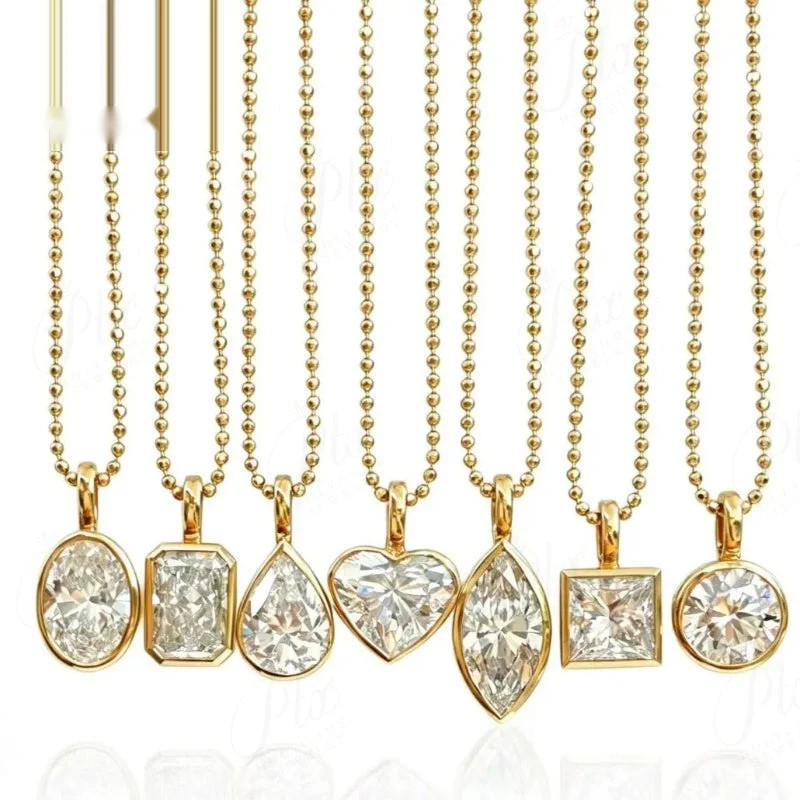
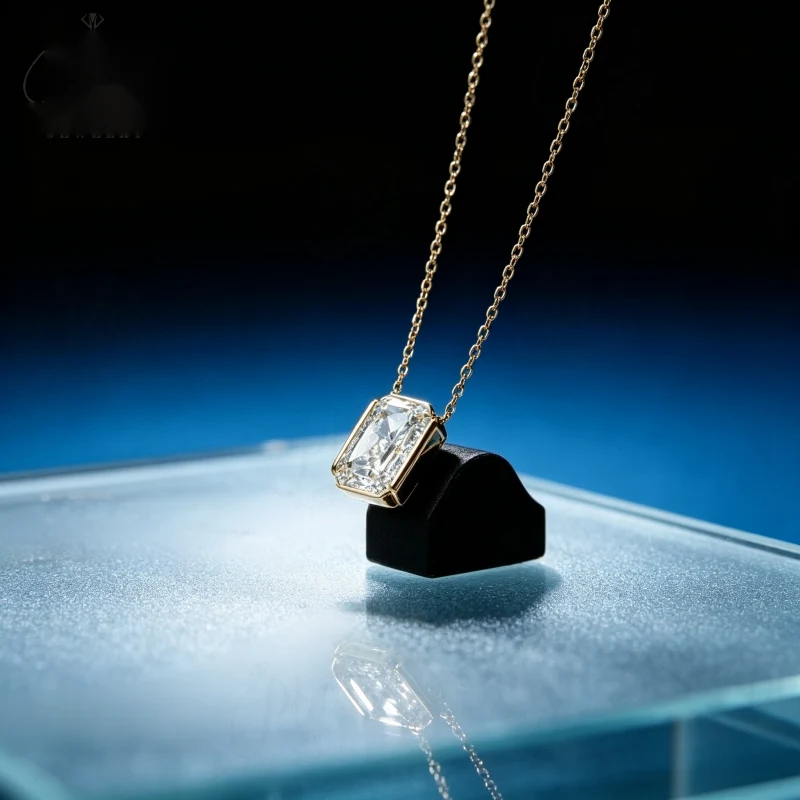
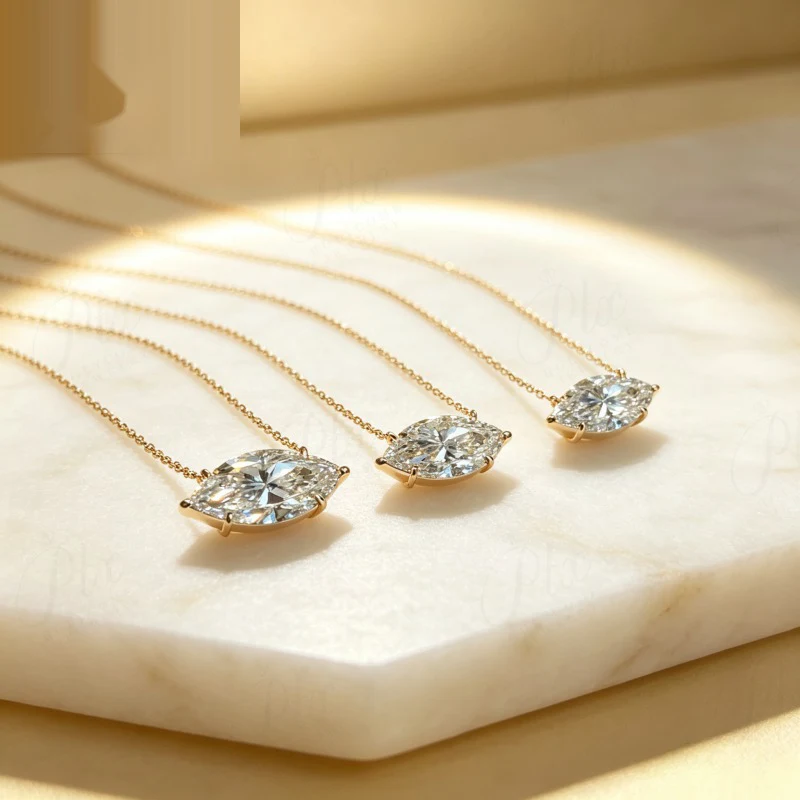
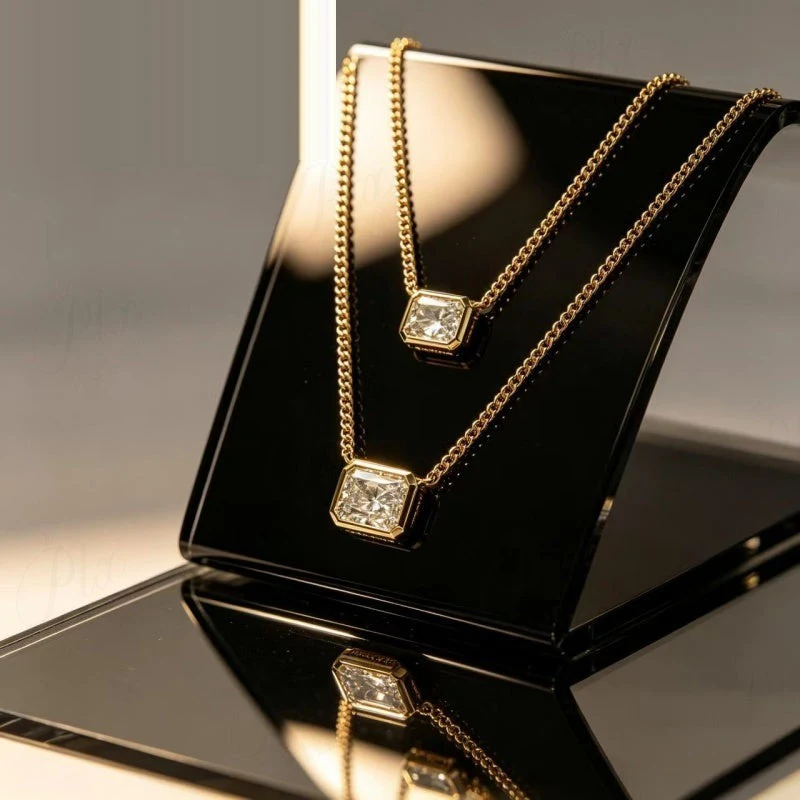
Wholesale Lab Grown Diamonds: Retail-Ready Packaging & Branding

Lab Grown Diamonds Built for the Retail Floor: What Wholesale Buyers Should Check Before Ordering
Lab grown diamonds sell faster when they arrive retail ready, so wholesale buyers should evaluate packaging, certification, and display support as part of the order itself rather than as an afterthought. A stone that reaches your counter in a graded, individually boxed presentation with matching paperwork can move straight to a case or an e-commerce photo shoot with no extra handling.
This article walks through the practical packaging and retail readiness decisions that matter most when you source Lab Grown Diamonds for a US wholesale program, from box types and paperwork placement to how our production schedule supports launch dates.
Why Retail Readiness Changes How You Should Compare Suppliers
Two suppliers can offer the same 1 carat round stone and still deliver very different experiences to your customer. One arrives loose in a plastic bag with a printed slip. The other arrives in a presentation box, with a GRA or IGI report inside a protective sleeve, ready for a display tray or a direct-to-consumer shipment. The second option reduces your labor costs, speeds up photography, and gives your sales team something they can hand across the counter with confidence.
Retail readiness is not decoration. It is a set of verifiable, checkable details that you can request from a supplier before you commit to an order. Buyers who treat packaging as a specification line item tend to avoid the common failure points: stones that arrive unlabeled, paperwork that does not match the parcel, boxes that arrive crushed, and mixed batches where sizes are hard to separate after grading.
Labeling and Traceability Inside the Carton
Every parcel should be traceable from the factory floor to your receiving dock. Ask how each stone is identified inside the bulk carton: parcel tags, stone IDs matched to grading numbers, and a packing list that maps quantities to grades. When stones are sold by the carat, the packing list should break down carat weight by grade so your receiving team can verify counts and totals without re-weighing every parcel.
This matters most when your order includes multiple shapes or size ranges that will be split across different retail locations.
Grading Paperwork Placement
Decide early whether reports ship inside each presentation box, in a separate documentation pack, or held digitally until you request them. Graded stones carry GRA or IGI papers, and the report number should match the laser inscription on the stone. For counter sales, many US retailers prefer the paper report sleeved inside the box so the customer sees it at the point of sale.
For e-commerce fulfillment, a digital copy plus a printed summary card inside the parcel keeps shipping weight and cost down. State your preference in the purchase order so the factory packs to your spec rather than their default.
Presentation Packaging Options for Lab Grown Diamonds
Packaging choices fall into three tiers, and the right tier depends on your sales channel. Counter programs benefit from sturdy display-ready boxes that survive handling. Online sellers need compact, protective packaging that photographs well and survives parcel networks. Custom programs, which start at 30 pieces, can carry branded boxes, printed inserts, and matched sleeves that reinforce your store identity. The table below summarizes the common options wholesale buyers select.
| Packaging option | Best sales channel | What it includes | Typical use |
|---|---|---|---|
| Individual loose parcel | Trade, setters, manufacturers | Stone tag and packing list | Stones headed for setting |
| Standard presentation box | Retail counter | Box, report sleeve, foam insert | In-store hand sales |
| E-commerce mailer kit | Online retail | Compact box, card, protective sleeve | Direct-to-consumer shipping |
| Branded custom kit | Private label programs | Printed box, insert, matched sleeve | Custom orders of 30 pieces or more |
Each option changes unit cost and pack-out time, so request packaging specifications along with your per piece or per carat quotation. A supplier that quotes stones but not packaging leaves you to solve the last mile on your own, which usually costs more than specifying it up front.
How Production and Sampling Timelines Support a Launch
Retail readiness planning only works if the schedule holds. Our sampling cycle runs 7 to 10 days, which gives you time to approve the stone quality, the box, and the paperwork format before bulk production begins. Bulk production takes 15 to 25 days after approval, so a new counter program with custom packaging typically moves from first sample to shipped bulk order inside about five weeks.
Using the Sample Stage to Approve Packaging
Do not use samples only to judge the stone. Ship the sample in the exact packaging you intend to receive at bulk: the same box style, the same report sleeve, the same insert. Approve a photo of the packed unit and a photo of the unpacked unit so there is no ambiguity at the pre-shipment stage.
If the box arrives dented or the sleeve is misprinted, correct it during sampling when the fix is cheap, not after bulk production when the cartons are already packed.
Planning Stock Orders Versus Custom Orders
Stock styles carry a minimum order of 1 piece, which makes them well suited to testing packaging formats. Order a handful of units in each packaging tier, sell them through one channel for a month, and let the sales data decide where you invest in custom work. Custom programs start at 30 pieces and are where branded presentation boxes and printed inserts become practical.
Because custom runs include new tooling and print setup, build the packaging approval into the sampling window rather than adding it after production starts.
Quality Control as Part of Retail Readiness
Packaging protects the product, but quality control protects your reputation at the counter. Our three-stage QC process covers incoming materials, in-process checks during cutting and setting, and a pre-shipment AQL inspection before the cartons are sealed. For retail ready orders, the pre-shipment stage should include packaging checks alongside stone checks: report numbers matched to stone IDs, box counts confirmed against the packing list, and carton condition verified before loading.
What to Ask For in the Pre-Shipment Report
Request that the pre-ship inspection documentation include photos of packed units, a packaging checklist, and the AQL sampling results. This gives your receiving team a baseline for their own check on arrival. If a shipment will move under DDP delivery to the US, which takes 5 to 8 days after dispatch, the documentation pack should travel with the shipment so you can reconcile the cartons the day they land rather than waiting on separate paperwork.
Pricing and Payment Terms for Retail Ready Orders
Pricing is quoted per piece or per carat depending on the item, and packaging is quoted as its own line so you can see exactly what presentation adds to unit cost. Sample orders are paid through PayPal, which keeps the sampling stage low commitment. Bulk orders run on T/T terms with a 30 percent deposit and the 70 percent balance before shipment.
This structure means you can test packaging and stone quality at sample scale before the larger deposit is due, and it aligns your cash outlay with the production milestones rather than front-loading risk.
Budgeting for Packaging Across a Program
When you model a program, treat packaging as a per-unit cost that scales with the order rather than a one-time expense. A stock order of loose stones carries almost no packaging cost. A counter program with presentation boxes and report sleeves adds a modest per-unit amount. A custom 30-piece program adds print setup on top of the per-unit cost.
Ask your supplier to break the quotation into stone cost and packaging cost so you can adjust the presentation tier without renegotiating the stones themselves.
Receiving, Display, and Fulfillment on Your Side
Retail readiness continues after the cartons land. A few practical steps on your side protect the work the factory has already done:
- Reconcile carton counts and report numbers against the packing list the day the shipment arrives.
- Store presentation boxes flat and away from direct light to prevent warping and fading.
- Photograph one packed unit per style before it goes on display, so you have consistent imagery for listings.
- Keep a reserve of packaging components, since counter sales and returns consume boxes faster than most buyers expect.
Buyers who run multi-location programs should also decide whether reports and boxes are distributed centrally or shipped with stones to each location. Central distribution keeps control, but it adds handling. Shipping retail ready units directly to each store removes a handling step and shortens the path from receiving to display.
Order Terms for Wholesale Buyers
MOQ is 1 piece for stock styles and 30 pieces for custom work, and loose stones are sold by the carat. Sampling takes 7 to 10 days, and bulk production runs 15 to 25 days after the sample is approved. Pricing is quoted per piece or per carat depending on the item. Payment is T/T with a 30% deposit and the 70% balance before shipment, and PayPal is accepted for sample orders.
Frequently Asked Questions
Can I order a single lab grown diamond to test the packaging?
Yes. Stock styles carry a minimum order of 1 piece, so you can order a single unit in each packaging tier and compare them before committing. Use the 7 to 10 day sampling window to approve both the stone and the packed presentation together.
Do the grading reports come with every stone?
Graded stones come with GRA or IGI papers, and the report number matches the stone identification. Tell us during sampling whether you want the paper report inside each presentation box or held in a documentation pack, and we will pack to that specification.
What is the minimum for custom branded packaging?
Custom work starts at 30 pieces, which covers branded boxes, printed inserts, and matched sleeves. Stock styles with standard packaging are available from 1 piece, so you can test formats before moving to a branded program.
How long does a retail ready bulk order take?
Sampling runs 7 to 10 days and bulk production takes 15 to 25 days after approval. Once shipped, DDP delivery to the US takes 5 to 8 days. Plan roughly five to six weeks from first sample to cartons on your dock.
How is a retail ready order inspected before shipping?
Every order passes three QC stages: incoming material checks, in-process checks, and a pre-shipment AQL inspection. For retail ready orders, the pre-ship stage also verifies report matching, box counts, and carton condition before loading.
Start Your Retail Ready Lab Grown Diamond Program
If you are building a counter program or an online line of lab grown diamond jewelry, the fastest way forward is to request samples packed in the presentation format you intend to sell. Browse the current range in our product catalog, read more buying guides in our wholesale jewelry blog, and send your packaging and quantity requirements through our contact page to receive a quotation broken out by stone and packaging.
Our team will confirm the sampling schedule and DDP delivery timeline so your launch date holds.
Sources: Grading references: GIA gem education and GIA laboratory information.