Wholesale Lab Grown Diamonds: Sizing, Setting & Durability

Lab Grown Diamonds: What Wholesale Buyers Need to Know About Sizing, Settings, and Durability
Lab Grown Diamonds give wholesale buyers the chance to stock diamond-look jewelry at accessible price points while offering stones with the same chemical composition and hardness as mined diamonds. For US jewelry retailers and e-commerce sellers, the practical decisions come down to three things: choosing the right stone sizes for your market, selecting settings that protect the stone in daily wear, and understanding how these stones hold up over years of use.
This article walks through each of those decisions with the specifics you need before placing a wholesale order, from carat weight selection to setting styles that reduce stone loss and the QC steps that protect your inventory investment.
Choosing Stone Sizes That Match Your Customer Base
Stone sizing is the first decision that shapes your entire product line. Lab Grown Diamonds are sold by the carat, and the carat weight you choose affects both your unit cost and the customer segment you can serve. Loose stones can be purchased by the carat and set into finished pieces, or you can order finished jewelry in specific center stone weights.
Popular Carat Ranges for the US Market
Most US retail demand for lab grown stones clusters in the 0.5 to 2.0 carat range for center stones. Solitaire pendants and everyday studs often use stones from 0.25 to 1.0 carat, while engagement-style rings and statement pieces call for 1.0 to 3.0 carat centers. Smaller accent stones, typically 0.01 to 0.10 carat, are used in pavé and halo work.
Stocking a spread across these ranges lets you serve customers shopping for gifts as well as customers shopping for milestone pieces.
How Carat Weight Affects Pricing and MOQ
Because loose stones are sold by the carat, larger stones carry a higher per-carat price and a higher total cost per unit. For stock styles, the minimum order quantity is 1 piece, which lets you test a single high-carat design before committing. For custom work, the minimum is 30 pieces, which makes carat selection a bigger financial decision since the specification applies across the whole production run.
Buying loose stones by the carat and setting them in-house or through your supplier gives you flexibility to adjust sizes as you learn what sells in your market.
Setting Styles and How They Protect the Stone
The setting determines both the look of the piece and how well the stone survives daily wear. A well-chosen setting reduces stone loss, lowers repair requests from your customers, and protects your reputation as a seller. The metal you pair with the setting matters just as much as the setting style itself.
Matching Settings to Metal Types
Your supplier should offer finished pieces in 925 sterling silver, 10K, 14K, or 18K solid gold, gold vermeil, or gold plated brass. Solid gold holds prongs and bezels securely over years of wear and is the natural pairing for higher-carat stones. Sterling silver with rhodium plating is a strong value option for smaller stones in the 0.25 to 1.0 carat range. Gold plated and vermeil pieces suit fashion-driven lines where price sensitivity is higher.
Never market plated or vermeil pieces as solid gold; accurate metal naming protects you from returns and compliance complaints.
Setting Styles Ranked by Stone Security
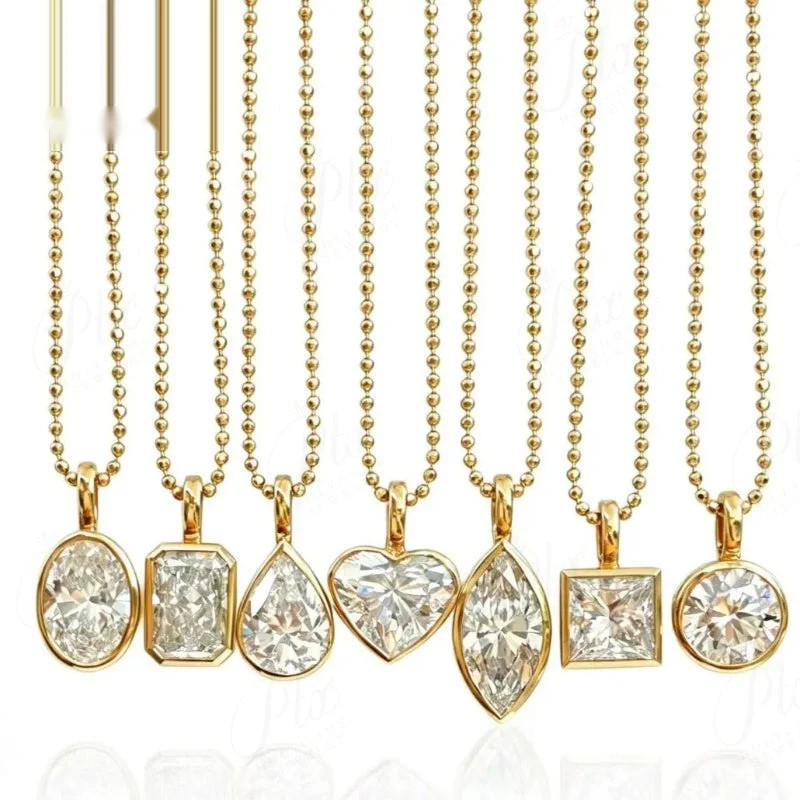
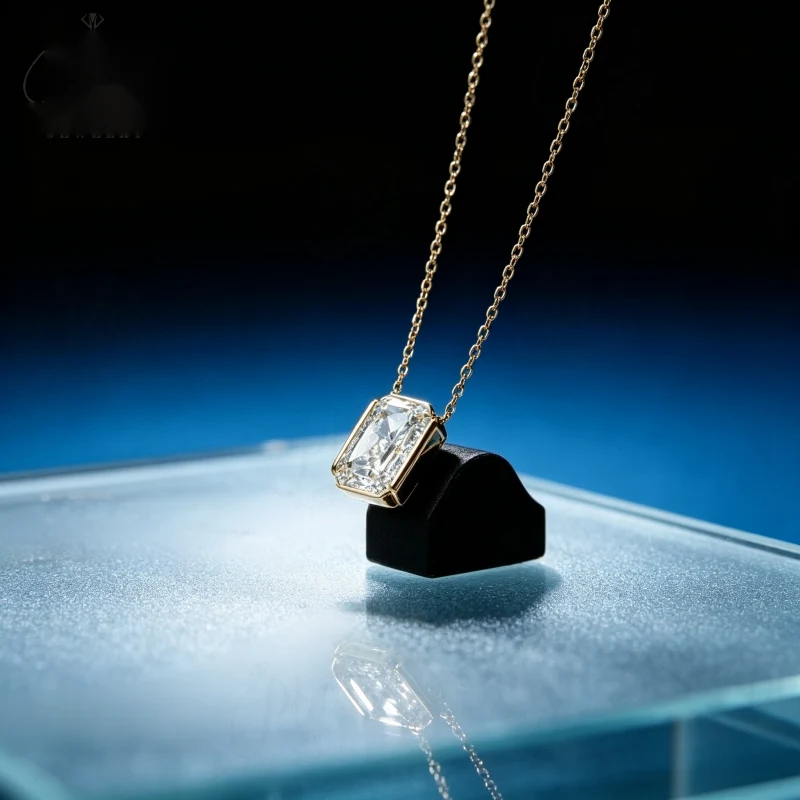
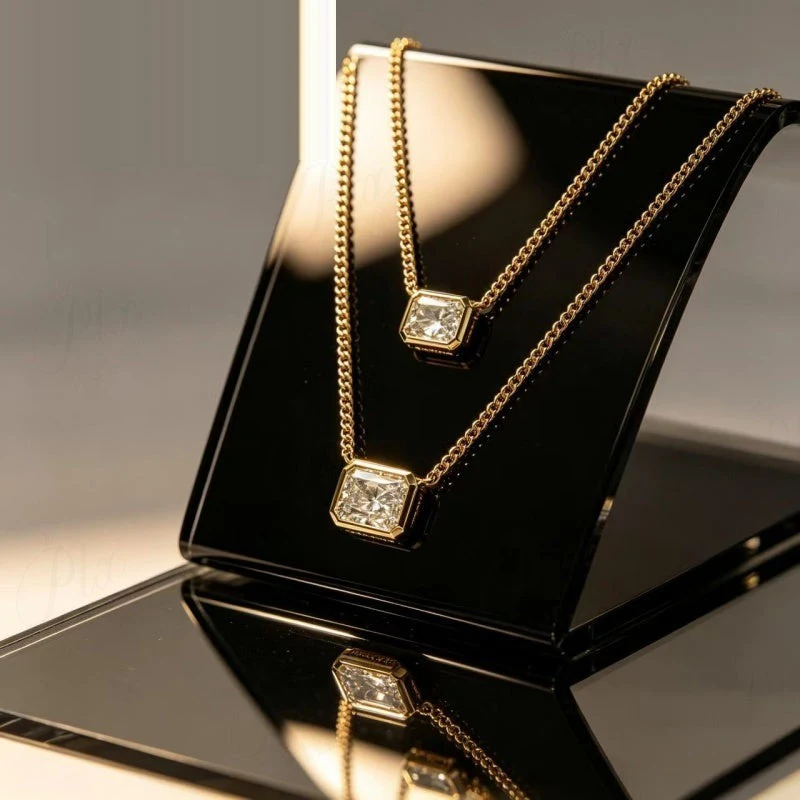
- Bezel settings encircle the stone's edge in metal and offer the highest level of protection, making them a smart choice for pieces designed for daily wear.
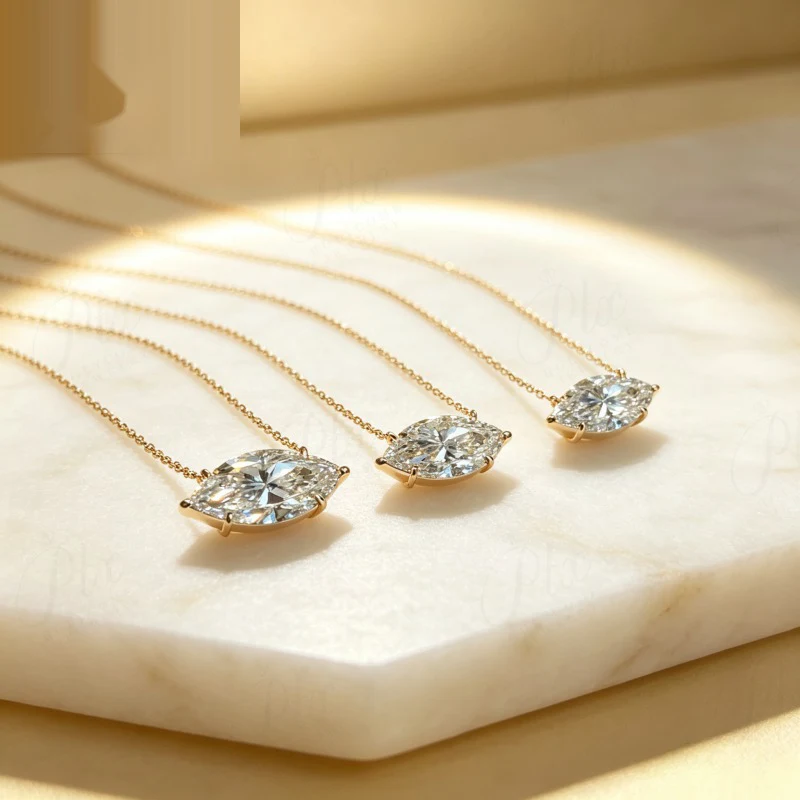
- Four-prong and six-prong settings hold the stone with small metal claws and expose more of the stone to light, which suits solitaire rings and studs where brilliance is the selling point.
- Halo and pavé settings surround the center stone with small accent stones, creating visual size uplift but requiring tighter QC since many small stones increase the chance of a loose accent.
- Tension and channel settings rely on precise metalwork; they look modern but need consistent production tolerances to hold stones securely.
Sizing Rings Correctly for Wholesale Orders
US ring sizing follows a numbered scale, with size 7 as the most common women's size and sizes 5 through 9 covering the majority of demand. Men's bands typically run sizes 8 through 12. When ordering custom work, confirm the size run with your supplier before production starts, since resizing a ring with a set stone costs more than producing the right size from the start.
For stock styles ordered at a 1-piece minimum, you can test demand in the most common sizes first and expand the run once you see sales velocity.
Durability: How Lab Grown Diamonds Perform Over Time
Lab Grown Diamonds rank 10 on the Mohs hardness scale, the same as mined diamonds, because they share the same crystalline carbon structure. This makes them suitable for rings, bracelets, and other pieces exposed to daily contact and abrasion. The stone itself is not the weak point in most jewelry; the setting and the metal are.
What Actually Wears Out First
In real-world wear, prongs wear down, plating thins, and channels loosen before a stone shows any surface damage. This is why metal choice matters. Solid gold prongs can be re-tipped by any local jeweler, extending the life of the piece indefinitely through standard repair work. Sterling silver prongs are softer and benefit from bezel or heavier prong designs.
Gold plated pieces will show wear at high-contact points over months of daily use, so position them as fashion jewelry rather than fine jewelry in your product copy.
Cleaning and Care Guidance for Your Customers
Lab grown stones clean up with warm water, mild dish soap, and a soft brush. Ultrasonic cleaners are safe for solid-set stones in solid gold. Provide care cards with your products to reduce perceived defects and returns. Customers who understand that a loose prong is a repair issue rather than a stone failure are far less likely to request refunds.
Quality Control: Verifying Sizing and Setting Before Shipment
Wholesale buyers should expect a structured inspection process before any order ships. A three-stage QC system covers incoming material inspection, in-process checks during setting and assembly, and a pre-shipment AQL inspection that samples finished goods against agreed defect tolerances. This last stage is where sizing accuracy, stone security, and metal stamping get verified on actual production units.
For graded center stones, ask for GRA or IGI certification papers, which document carat weight, color, clarity, and cut. These papers let you verify that the stone set in each piece matches your specification, and they give your retail customers documentation at the point of sale. Combine the grading papers with the AQL inspection report to build a complete quality record for each wholesale order.
Lead Times, Pricing, and Payment Terms
Sampling takes 7 to 10 days, which gives you a physical reference for stone size, setting style, and metal quality before bulk production begins. Bulk production runs 15 to 25 days after sample approval. Pricing is quoted per piece for finished jewelry or per carat for loose stones, so you can compare offers on a consistent basis.
Payment terms follow a standard structure: T/T with a 30 percent deposit and the 70 percent balance due before shipment. Sample orders can be paid through PayPal, which lowers the risk of testing a new supplier. Once production is complete, DDP delivery to the US takes 5 to 8 days, meaning duties and shipping are handled before the goods reach your door and you get a landed cost you can price against accurately.
The table below summarizes the key decisions and specs for a typical wholesale order:
| Decision | Common Range | Key Consideration | Typical Timeline |
|---|---|---|---|
| Center stone carat | 0.25 to 3.0 ct | Sold by the carat | Included in production |
| Ring sizing | US 5 to 12 | Confirm run before production | Set at sampling |
| Setting style | Bezel, prong, halo | Bezel gives most protection | Set at sampling |
| Bulk production | 30 piece minimum | After sample approval | 15 to 25 days |
| US delivery | DDP shipping | Duties included | 5 to 8 days |
Working through sizing, setting, and durability decisions before you commit to a bulk run reduces returns and keeps your margin predictable. Use the sampling stage to verify ring size accuracy and stone security on a physical unit, then rely on the pre-shipment AQL inspection to confirm the full order matches the approved sample.
Order Terms for Wholesale Buyers
MOQ is 1 piece for stock styles and 30 pieces for custom work, and loose stones are sold by the carat. Sampling takes 7 to 10 days, and bulk production runs 15 to 25 days after the sample is approved. Pricing is quoted per piece or per carat depending on the item. Payment is T/T with a 30% deposit and the 70% balance before shipment, and PayPal is accepted for sample orders.
Frequently Asked Questions
What is the minimum order for Lab Grown Diamond jewelry?
Stock styles have a 1-piece minimum, so you can order a single unit to test a design. Custom work requires a 30-piece minimum. Loose stones are sold by the carat with no fixed piece minimum.
Are lab grown stones as durable as mined diamonds?
Yes. They share the same crystalline carbon structure and rank 10 on the Mohs hardness scale. In practice, the setting and metal wear before the stone does, so metal choice drives long-term durability.
How long does a typical wholesale order take?
Sampling takes 7 to 10 days, and bulk production takes 15 to 25 days after you approve the sample. DDP delivery to the US then takes 5 to 8 days.
Do the stones come with certification?
Graded stones come with GRA or IGI papers documenting carat weight, color, clarity, and cut. Request these papers with your order and pass them along to your retail customers.
Which metal should I choose for engagement-style pieces?
Solid gold in 10K, 14K, or 18K is the standard pairing for higher-carat center stones because it holds prongs securely and supports standard repairs. Sterling silver works well for smaller stones at a lower price point.
Start Sourcing Lab Grown Diamond Jewelry
If you have settled on your stone sizes and setting styles, the next step is a sample order to verify quality on a physical unit. Browse our wholesale Lab Grown Diamond product catalog to see available stock styles and stone ranges, or read more sourcing guidance on our jewelry wholesale blog.
When you are ready to request samples or a quote for a 30-piece custom run, reach out through our wholesale inquiry contact page and our team will respond with pricing and lead times.
Sources: Grading references: GIA gem education and GIA laboratory information.