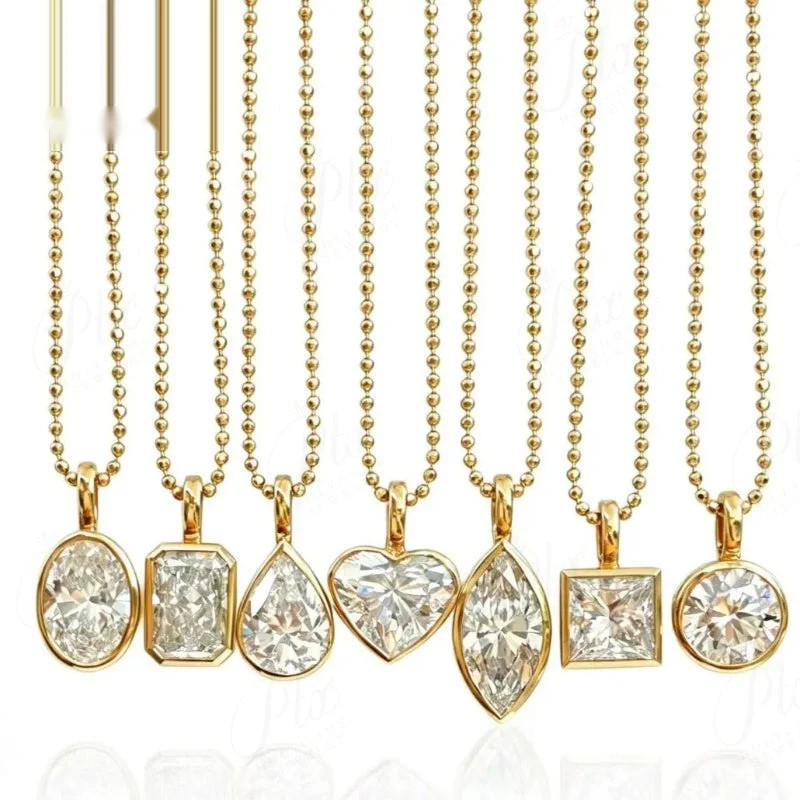
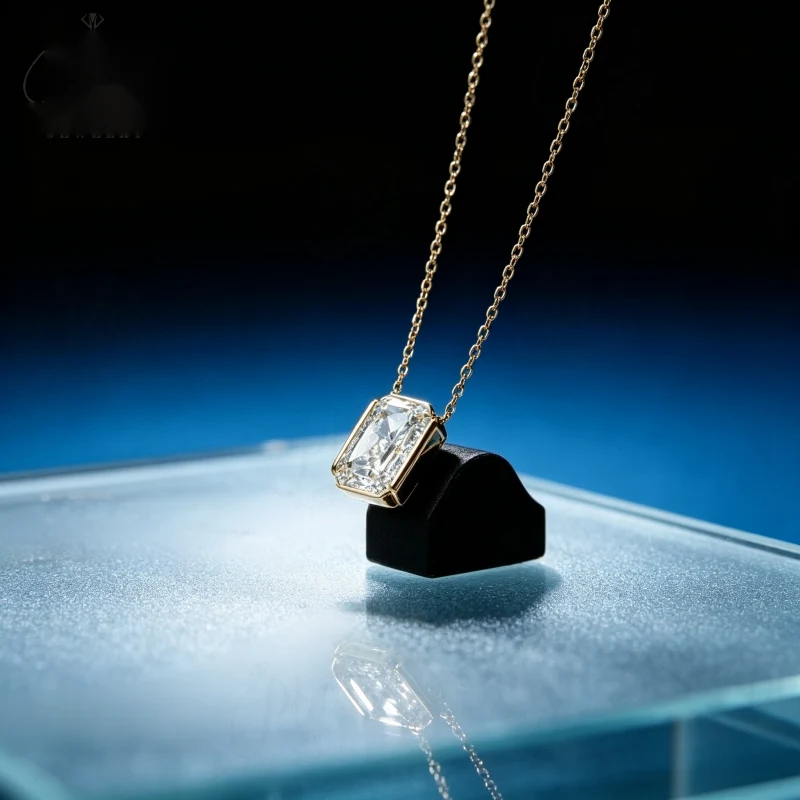
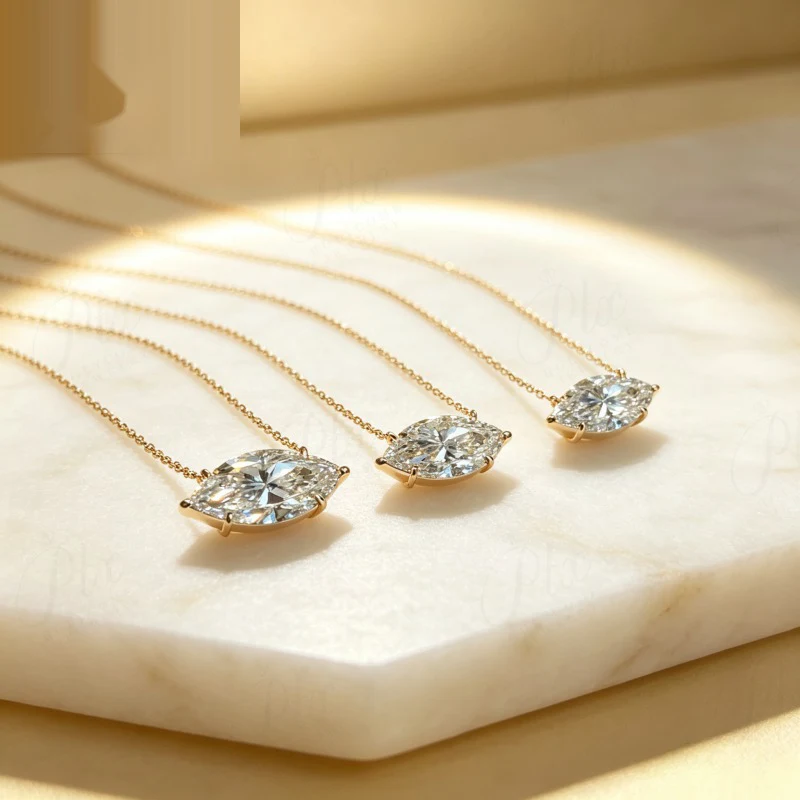
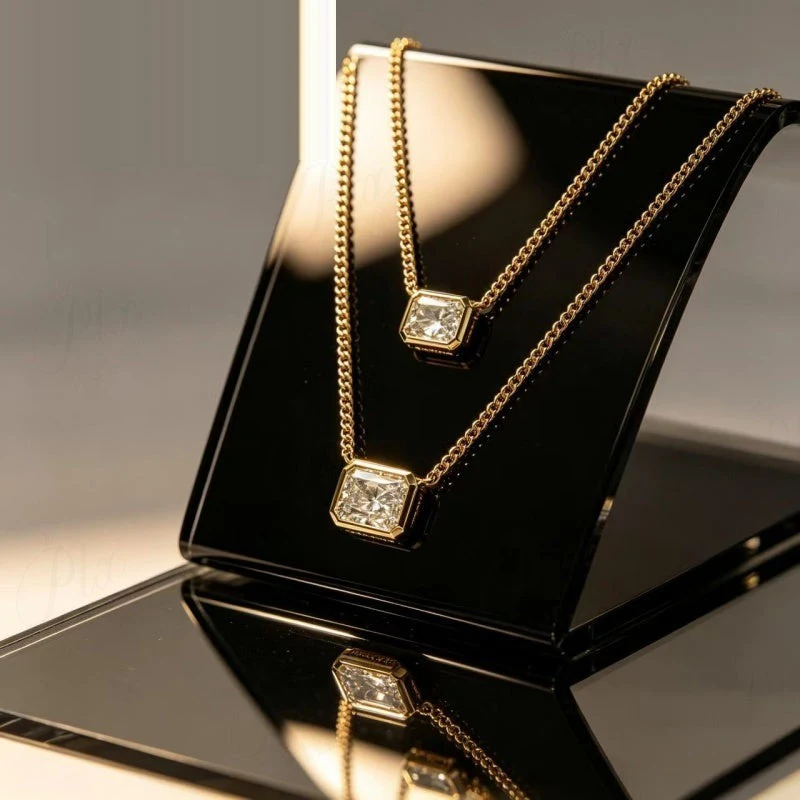
Wholesale Lab Grown Diamonds: Incoming QC & Pre-Ship Inspection

Lab Grown Diamonds give wholesale buyers a dependable path to high-margin, stone-set inventory, but the biggest commercial risk is not the stones themselves. It is the quality control program behind them. A disciplined supplier runs three separate inspection gates: incoming QC on raw materials and loose stones, in-process checks during production, and a pre-ship AQL inspection before goods leave the factory.
Knowing how each stage works helps you judge a supplier before committing capital, and it gives you the language to challenge weak QC programs during vetting.
Why QC Deserves Extra Attention for Lab Grown Diamonds
Lab Grown Diamonds are graded stones, which means quality is documented rather than assumed. A melee parcel that looks uniform in a supplier photograph can hide mixed color grades, inconsistent clarity, or stones that were never graded at all. Because loose stones are priced per carat and finished jewelry is priced per piece, any grading inconsistency converts directly into a margin problem for you as the buyer.
Traceability is the second reason. Reliable suppliers back graded stones with GRA or IGI papers, creating a documented link between the stone you ordered and the stone you receive. A supplier that skips incoming QC cannot confirm that the parcel moving through production matches the certificate that will accompany it. That gap typically surfaces only after your customer has already received the goods, when a return or credit is your only remedy.
The Three-Stage QC Framework Explained
A well-run factory treats inspection as a sequence, not a single final check. Each stage catches a different class of failure, and skipping any one of them shifts risk downstream to you.
Stage One: Incoming QC on Stones and Materials
Before production begins, incoming QC verifies everything that enters the facility. For loose Lab Grown Diamonds, this means confirming carat weight against the purchase order, checking color and clarity against the GRA or IGI paperwork, and inspecting for chips or transit damage. For metals and findings, it means verifying that the material is genuinely 925 sterling silver, 10K, 14K, or 18K solid gold, and that vermeil or plating thickness matches the specification you ordered.
This stage is where substitutions get caught. If a supplier quotes 14K solid gold but never tests incoming alloy, a plated substitution can pass silently into production. Ask prospective suppliers to describe their incoming inspection procedure in writing; vague or evasive answers are a warning sign worth acting on.
Stage Two: In-Process Checks During Production
In-process inspection happens while the order is being made, not after completion. Stone setters are checked for seat and alignment, prong tension is verified before polishing or plating, and metalwork is compared against the approved sample. Because sampling takes 7 to 10 days and bulk production runs 15 to 25 days after approval, an error caught mid-run costs days; the same error caught at pre-ship inspection can cost the entire production window and your delivery date.
For custom orders, which carry a 30-piece minimum, in-process checks also protect batch consistency. Stone color can vary between parcels, so a factory that inspects at each workstation can keep a 30-piece run visually uniform across every unit.
Stage Three: Pre-Ship AQL Inspection
The final gate is a pre-ship AQL inspection, an acceptance sampling method built on internationally recognized standards. Rather than inspecting every unit, the inspector draws a statistically sized sample from the finished batch and classifies defects as critical, major, or minor. The batch passes or fails depending on whether defect counts fall within the accepted quality limits agreed between you and the supplier.
Pre-ship AQL inspection is your last chance to reject goods before they ship. Once an order leaves the factory, returns across international freight become slow and costly, so this stage carries the most commercial weight in the whole program.
What the AQL Inspection Actually Covers
Buyers sometimes treat AQL as a formality, but a properly scoped inspection touches every element that drives customer complaints. The table below summarizes the typical scope of a pre-ship inspection on a Lab Grown Diamonds jewelry order.
| Check Point | Method | What It Protects |
|---|---|---|
| Stone grade match | Compare against GRA or IGI papers | Certificate accuracy |
| Stone setting | Visual and tactile prong check | Stone loss in transit |
| Metal verification | Stamp and alloy checks | Correct metal claims |
| Surface finish | Polish and plating review | Customer returns |
| Packaging and count | Carton audit against PO | Short shipments |
After reviewing the inspection scope, agree in writing which AQL level applies to your order and which defects count as critical versus minor. Suppliers who welcome that conversation tend to run disciplined floors; suppliers who resist it tend to discover problems only when you do.
Practical Decisions Every Wholesale Buyer Must Make
Knowing the framework is one thing; applying it to your next purchase order is another. The decisions below shape how much protection you actually receive from the three-stage program.
Decision One: Require Certificates or Accept Ungraded Stones
Graded stones with GRA or IGI papers cost more than ungraded equivalents, but they let your incoming QC team verify exactly what arrived. For statement pieces and solitaires, certificates are worth the premium because a mismatch is easy to detect and document. For small melee, full grading is often impractical, so you may choose to specify a grade range and rely on the supplier's incoming QC plus the pre-ship inspection to enforce it.
Decision Two: Define Your AQL Level Before Production
AQL levels are negotiated, not assumed. A tighter accepted quality limit means larger samples and stricter pass criteria, which slightly raises inspection cost and occasionally flags units you might have accepted anyway. For stock styles sold at MOQ of 1 piece, the stakes per order are lower, so a standard AQL is reasonable. For custom work at 30 pieces per style, a tighter limit protects a larger per-unit investment and preserves consistency across the run.
Decision Three: Decide Whether to Inspect Remotely or On Site
You can rely on the supplier's internal pre-ship AQL inspection, request photo and video evidence of the inspection itself, or engage a third-party inspection service to witness it. Remote evidence is inexpensive and catches obvious failures; third-party witness inspections add independence at a modest cost. The right answer depends on order value and how long you have worked with the supplier, but first-time orders with a new source justify the extra oversight.
Decision Four: Match Payment Terms to QC Milestones
Payment structure and QC structure should reinforce each other. Standard terms are T/T with a 30 percent deposit and the 70 percent balance before shipment, while sample orders can run through PayPal. Because the balance is due before shipment, your pre-ship AQL inspection becomes the trigger point: release the balance only after the inspection report clears. Sample orders paid through PayPal keep your early-stage risk small while you evaluate whether the supplier's QC claims hold up in practice.
How QC Fits Into the Full Ordering Timeline
Quality control sits inside a predictable sequence. Sampling runs 7 to 10 days, giving you an approved reference before bulk production starts. Bulk production takes 15 to 25 days after that approval, with in-process checks running throughout. Pre-ship AQL inspection follows, and only after the batch passes do you release the 70 percent balance. DDP delivery to the US then takes 5 to 8 days.
Planning around these stages keeps QC from feeling like a delay. Build the inspection into your replenishment calendar, and the whole chain from approval to doorstep remains predictable for your retail customers.
Order Terms for Wholesale Buyers
MOQ is 1 piece for stock styles and 30 pieces for custom work, and loose stones are sold by the carat. Sampling takes 7 to 10 days, and bulk production runs 15 to 25 days after the sample is approved. Pricing is quoted per piece or per carat depending on the item. Payment is T/T with a 30% deposit and the 70% balance before shipment, and PayPal is accepted for sample orders.
Frequently Asked Questions
What is pre-ship AQL inspection and why does it matter?
AQL inspection is acceptance sampling performed on the finished batch before shipment. The inspector draws a statistically sized sample and classifies defects as critical, major, or minor against agreed limits. It matters because it is your final opportunity to reject goods before they cross international freight, when returns become slow and costly.
Do Lab Grown Diamonds come with certification?
Yes. Graded stones are supplied with GRA or IGI papers that document carat weight, color, and clarity. When you receive the goods, incoming QC at your end can compare each stone against its certificate to confirm the shipment matches the order.
What happens if the pre-ship inspection fails?
A failed batch is typically reworked or re-inspected at the supplier's cost, depending on the defect class and your agreement. Because the 70 percent balance is due before shipment, you can hold payment until the re-inspection clears. This is precisely why matching payment release to inspection results is a sound practice.
How long should I plan for production and delivery?
Sampling takes 7 to 10 days, and bulk production takes 15 to 25 days after you approve the sample. DDP delivery to the US then takes 5 to 8 days. Adding a day or two for the pre-ship inspection gives you a realistic end-to-end timeline for customer planning.
Is incoming QC really necessary if I trust my supplier?
Trust does not replace verification, because some failures originate before production even starts, such as a mislabeled stone parcel or a substituted metal alloy. Incoming QC catches these at the point of least cost. Suppliers with disciplined incoming inspection welcome the scrutiny rather than resist it.
Build QC Into Your Next Order
Strong QC is not a supplier courtesy; it is a system you specify, verify, and tie to payment milestones. Start by browsing the current range of Lab Grown Diamonds and finished pieces in the product catalog, then read more sourcing guides in the wholesale buying blog to sharpen your inspection checklist.
When you are ready to discuss AQL terms, certificate requirements, or a sample order, reach out through the supplier contact page and put your QC expectations in writing from the first conversation.
Sources: Grading references: GIA gem education and GIA laboratory information.