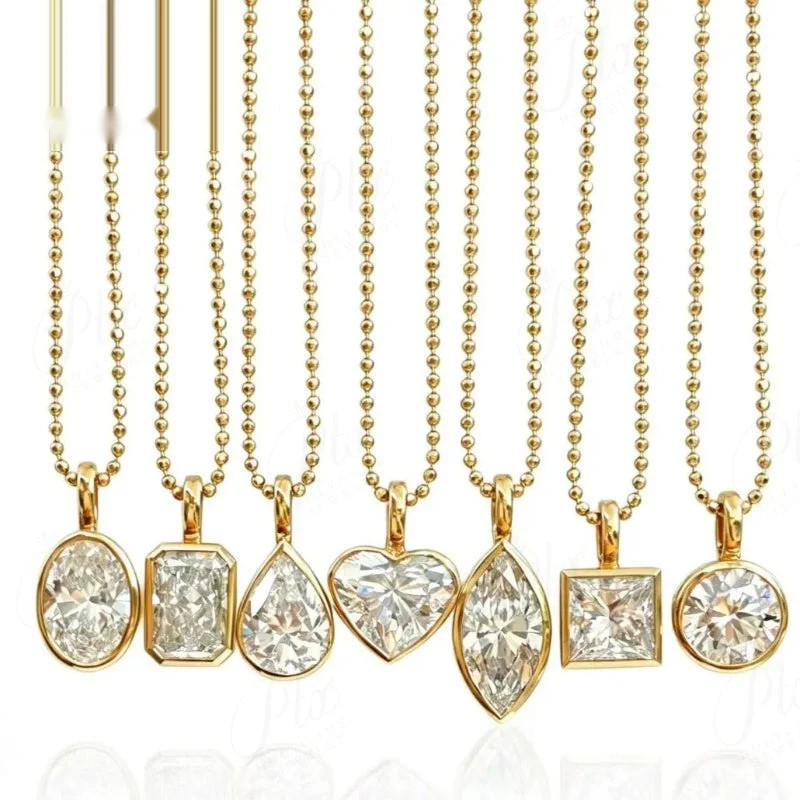
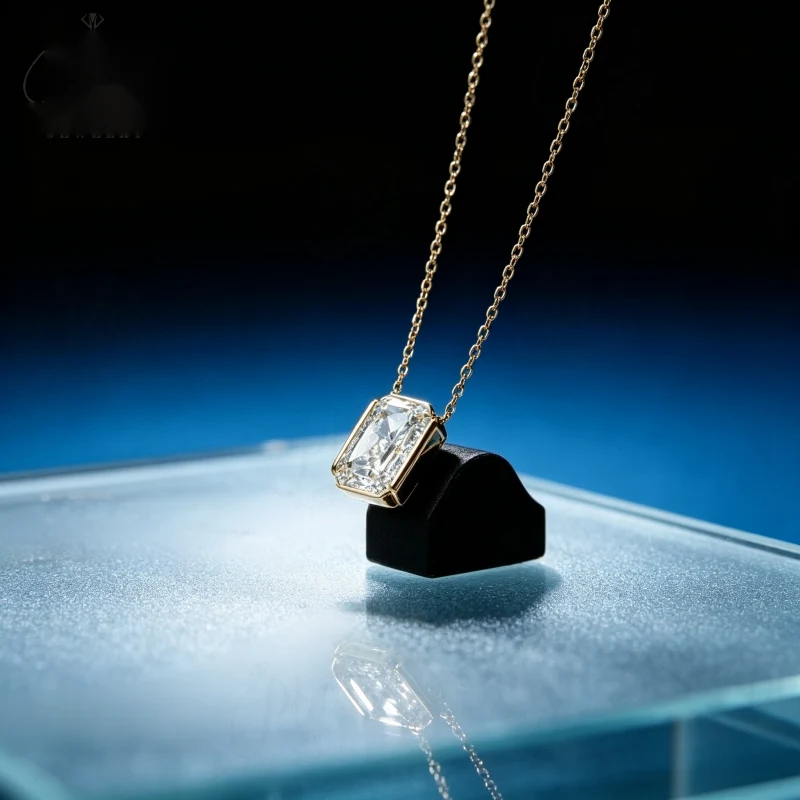
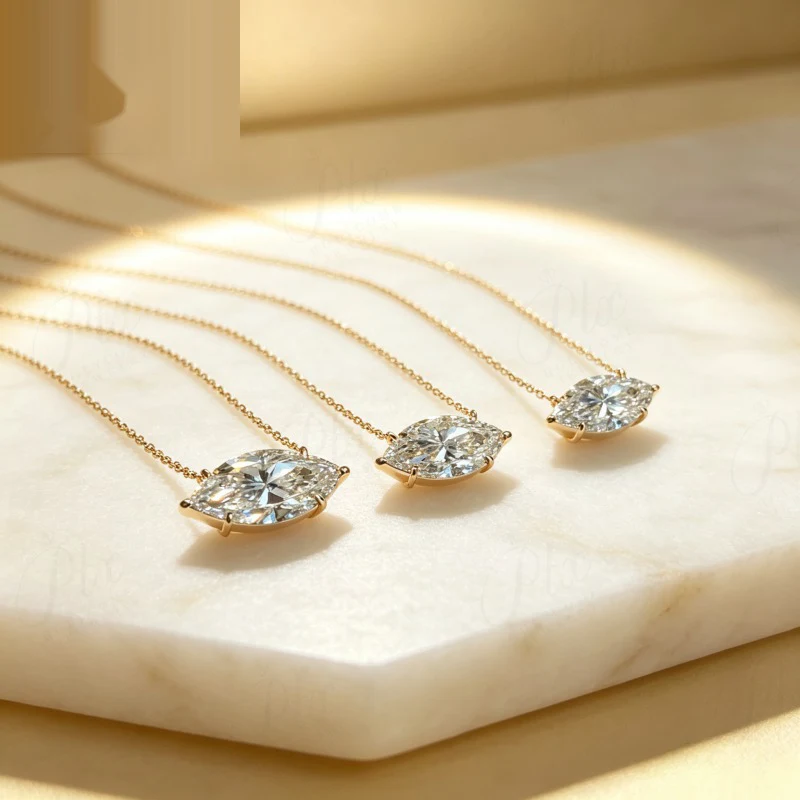
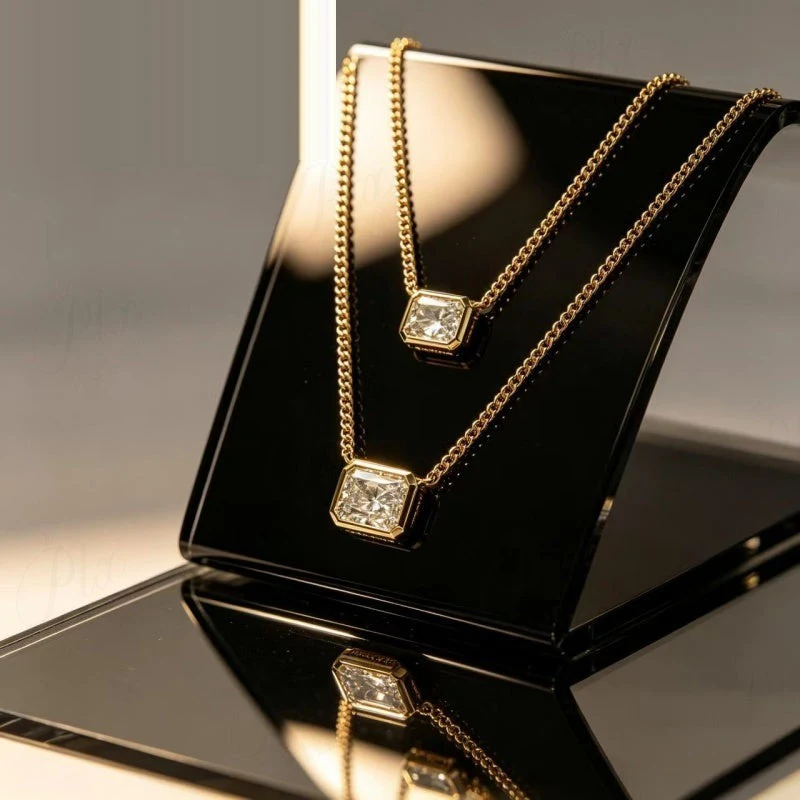
Wholesale Lab Grown Diamonds: Custom OEM & Private Label Workflow

Why Custom OEM and Private Label Work Matters for Lab Grown Diamonds Buyers
Lab grown diamonds give wholesale buyers a way to offer branded jewelry lines with real diamond content and controlled costs, and the custom OEM and private label route is where margins and brand identity are actually built.
This article walks through the practical decisions a US wholesale buyer faces when ordering custom Lab Grown Diamonds from a manufacturer: how the workflow runs from design file to delivery, how to structure a private label program, what the minimum order quantities mean for your first buy, and how quality control and payment terms protect your investment.
If you are planning a branded collection rather than buying stock goods, the decisions below will shape your cost, your timeline, and your ability to reorder quickly.
Stock Styles Versus Custom OEM: Choosing the Right Starting Point
The first decision is whether to launch with stock styles or move directly into custom OEM work. Stock styles carry a minimum order of 1 piece, which lets you test designs under your own private label branding without committing to volume. Custom work carries a 30 piece minimum order per style, which is the threshold where the manufacturer opens tooling, grading, and production planning for your specification.
A common path for a new brand is a hybrid: buy a small assortment of stock styles at 1 piece each to test sell-through, then convert the strongest sellers into custom OEM versions with your own metal weights, stone specifications, and hallmarks. This reduces the risk of committing 30 pieces per style to designs that have not proven demand.
What Private Label Actually Covers
Private label means the goods ship with your brand identity, not the factory's. In practice this can include your logo stamped or laser marked on the piece, custom packaging and pouches, branded certificate cards, and your own SKU structure on invoices. You supply the brand assets and specifications; the manufacturer handles production, stone setting, and quality control.
Clarify in writing which elements of the private label package are included in the quoted price and which are added costs, because packaging and hallmarking are often quoted separately.
What OEM Means for Your Specifications
OEM means the manufacturer produces to your exact specification. For Lab Grown Diamonds this includes the stone grades you want (color, clarity, cut, carat spread), the metal you want the stones set in, the setting style, and the finishing. True metal options are 925 sterling silver, 10K, 14K, or 18K solid gold, gold vermeil, or gold plated over a base metal. Specify the metal precisely in your purchase order.
If your brand story requires solid gold, the PO must say 10K, 14K, or 18K solid gold; vermeil and plated goods are different products at different price points and should not be represented as solid gold in your marketing.
Building the Custom Specification for Lab Grown Diamonds
A clean specification sheet is the difference between a smooth first production run and a cycle of revisions. Your spec should cover four areas: the stones, the metal, the construction, and the branding.
Stone Selection and Grading Papers
Lab grown diamonds are sold loose by the carat or set into finished pieces priced per piece. For loose stones, request GRA or IGI certificates with each stone. These grading papers document the carat weight, color grade, clarity grade, and cut details, and they are what your retail customers will expect to see.
Decide early whether every stone in the line gets a certificate or only the center stones in solitaire designs; certifying every melee adds cost, so most buyers certify center stones and rely on the factory's three-stage QC for accent stones.
Metal and Setting Decisions
Metal choice drives most of the unit cost. Sterling silver settings keep the landed cost low and work well for fashion-oriented private label lines. Solid gold settings in 10K or 14K position the line toward fine jewelry retail and command higher wholesale prices. The setting style, prong, bezel, pavé, or halo, also affects labor cost and production time, so confirm the setting with a technical drawing or a reference sample before bulk production begins.
The Spec Sheet Checklist
- Stone details: carat weights, color and clarity grades, cut style, certificate type (GRA or IGI)
- Metal: 925 sterling silver, 10K/14K/18K solid gold, gold vermeil, or gold plated, stated exactly
- Construction: setting type, shank width, metal weight tolerance, finishing (polish, rhodium)
- Branding: hallmark, logo placement, packaging, certificate card artwork
- Quantity: 30 pieces per style for custom, or 1 piece for stock-style sampling
The OEM Production Workflow From Sample to Shipment
The custom workflow runs in defined stages, and each stage has a decision gate where you approve or revise. Understanding the sequence helps you plan your launch calendar around realistic lead times.
After you submit the design and specification, the factory produces a sample in 7 to 10 days. You review the sample for stone placement, metal finish, weight, and branding, then approve it or send revision notes. Once the sample is approved, bulk production runs 15 to 25 days. Pricing is quoted per piece for finished jewelry or per carat for loose stones, so your quotation will reflect the specification you locked in at the sample stage.
Sampling: Where Most Cost Mistakes Are Prevented
Treat the 7 to 10 day sampling window as your main cost-control step. Check the metal weight against your target, confirm the stones match the grades on the certificates, and test the clasp and setting durability. Revisions at this stage cost days; revisions after bulk production cost money. Sample orders are typically paid through PayPal, which keeps the transaction simple while you evaluate the factory's work before committing larger funds.
Bulk Production and the Deposit Structure
Bulk orders move on T/T payment terms: a 30 percent deposit to start production and the 70 percent balance before shipment. Plan your cash flow around this structure, because the balance is due before goods leave the factory. For a private label buyer, this is also the stage to confirm that hallmarking and packaging are complete, since changes after the balance payment are difficult to accommodate.
Quality Control and Grading: Protecting Your Brand
Your private label brand carries the reputation risk if stones are misgraded or settings fail, so the factory's QC process matters as much as the design. A three-stage QC system covers the risks at the right points: incoming inspection of materials and stones, in-process checks during production, and a pre-shipment AQL inspection before goods are packed.
Before the balance payment, you can request inspection reports from the pre-ship AQL stage. For certified center stones, match each GRA or IGI certificate to the piece it accompanies. Some buyers arrange a third-party inspection at the factory before shipment; if you do this, schedule it to align with the end of the 15 to 25 day production window so it does not push your delivery date.
Matching Certificates to Finished Goods
For solitaire and center-stone designs, request that each certificate number be recorded against the piece it is set into. This lets your retail team hand the customer the matching paper at the point of sale, and it simplifies any post-sale questions about the stone's grade. For loose stone orders sold by the carat, confirm that carat totals on the invoice match the certificate totals before releasing the balance.
Logistics, Lead Times, and Landed Cost
Delivery to the US runs on DDP terms and takes 5 to 8 days after shipment. DDP means the quoted price includes duties and the seller handles customs clearance, so your landed cost calculation stays simple: the per-piece price plus your freight-included DDP cost is what you pay, with no surprise brokerage or duty bills at the border.
Put the full timeline together for a custom OEM order: sampling at 7 to 10 days, bulk production at 15 to 25 days after sample approval, then 5 to 8 days DDP transit to the US. A first custom order typically runs about four to six weeks from approved design to warehouse delivery, which is workable for most launch calendars if you build in a review buffer at the sample stage.
The table below summarizes the key workflow parameters a buyer should confirm before placing a custom order.
| Stage | Typical Time | Minimum Order | Payment Point |
|---|---|---|---|
| Sampling | 7 to 10 days | 1 piece stock styles | PayPal for samples |
| Bulk production | 15 to 25 days | 30 pieces custom | 30 percent T/T deposit |
| Pre-ship QC | Before balance | Applies to all orders | 70 percent balance |
| DDP delivery to US | 5 to 8 days | Not applicable | Included in terms |
After reviewing the table, confirm each parameter in your purchase order rather than relying on verbal agreements. Written confirmation of lead times, MOQs, and payment points keeps both sides aligned, especially when you reorder a private label style that has started selling well and need the next run to arrive on schedule.
Structuring Your First Private Label Order
A practical first order balances depth and breadth. With a 30 piece minimum per custom style, a launch of three to five styles puts your opening commitment in the 90 to 150 piece range. Choose styles that share the same stone size and setting family so the production run is efficient, and hold back one or two stock-style purchases at 1 piece each to test designs you are not ready to commit to at 30 pieces.
Planning for Reorders
Reorders are faster than first runs because the sample and specification are already approved. Once your design is on file, a reorder can go straight into the 15 to 25 day bulk production window plus 5 to 8 days DDP transit. Track your sell-through during the first run so you can place the reorder before stock runs out, and keep the T/T deposit ready to avoid delays at the production start.
Pricing Your Wholesale Line
Because pricing is quoted per piece for finished jewelry and per carat for loose stones, build your retail math on the quoted per-piece cost for set goods and per-carat cost for any loose stone program. Ask for quotations at more than one metal specification, silver versus 14K solid gold for example, so you can see the price spread across your line and decide where each style sits in your assortment.
Order Terms for Wholesale Buyers
MOQ is 1 piece for stock styles and 30 pieces for custom work, and loose stones are sold by the carat. Sampling takes 7 to 10 days, and bulk production runs 15 to 25 days after the sample is approved. Pricing is quoted per piece or per carat depending on the item. Payment is T/T with a 30% deposit and the 70% balance before shipment, and PayPal is accepted for sample orders.
Frequently Asked Questions
Can I order a single sample of a custom design before committing to 30 pieces?
Sampling is available at 7 to 10 days, and stock styles carry a 1 piece minimum. For a fully custom design, the sample stage lets you evaluate the piece before the 30 piece custom minimum applies to bulk production. Many buyers use the sample to finalize the specification before releasing the deposit.
Do the Lab Grown Diamonds come with certificates?
Graded stones are supplied with GRA or IGI papers documenting carat weight, color, clarity, and cut. Confirm in your specification whether every stone is certified or only center stones, since certifying small accent stones adds cost to each piece. Loose stones sold by the carat should arrive with matching grading papers.
What payment terms apply to a bulk custom order?
Bulk orders run on T/T with a 30 percent deposit to start production and the 70 percent balance due before shipment. Sample orders are typically handled through PayPal. Plan your cash flow so the balance is available when pre-ship inspection is complete.
How long does delivery to the US take?
DDP delivery to the US takes 5 to 8 days after shipment, with duties and clearance included in the terms. Combined with 7 to 10 day sampling and 15 to 25 day bulk production, a full custom order typically lands about four to six weeks after design approval.
Which metals can I specify for my private label line?
Available options include 925 sterling silver, 10K, 14K, and 18K solid gold, gold vermeil, and gold plated over base metal. State the exact metal in your purchase order and use the same naming in your marketing, so vermeil or plated goods are never presented as solid gold to your customers.
Start Your Custom Lab Grown Diamonds Program
A custom OEM and private label program for Lab Grown Diamonds comes down to clear specifications, a disciplined sample stage, and confirmed production terms. Browse the available product range to see which stock styles can anchor your assortment while your custom designs are in development, read more buying guides and workflow explainers on the blog, and contact the sales team with your specification sheet to request samples and a quotation for your first private label run.
Browse Lab Grown Diamonds and finished jewelry products to shortlist styles, read more wholesale buying guides on the blog to refine your program, and contact us to start your custom OEM and private label order with samples and pricing.
Sources: Grading references: GIA gem education and GIA laboratory information.