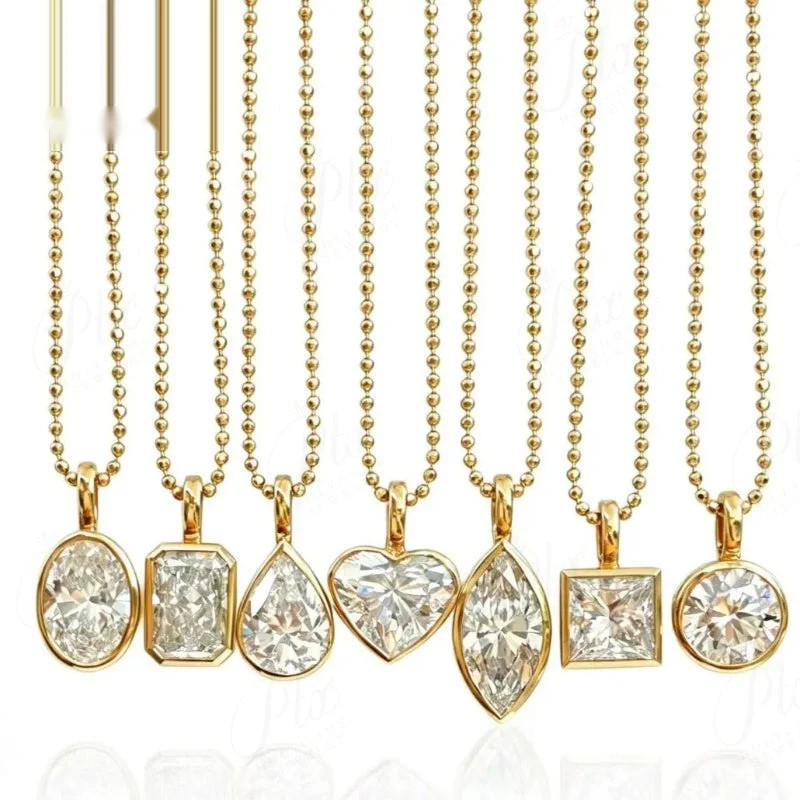
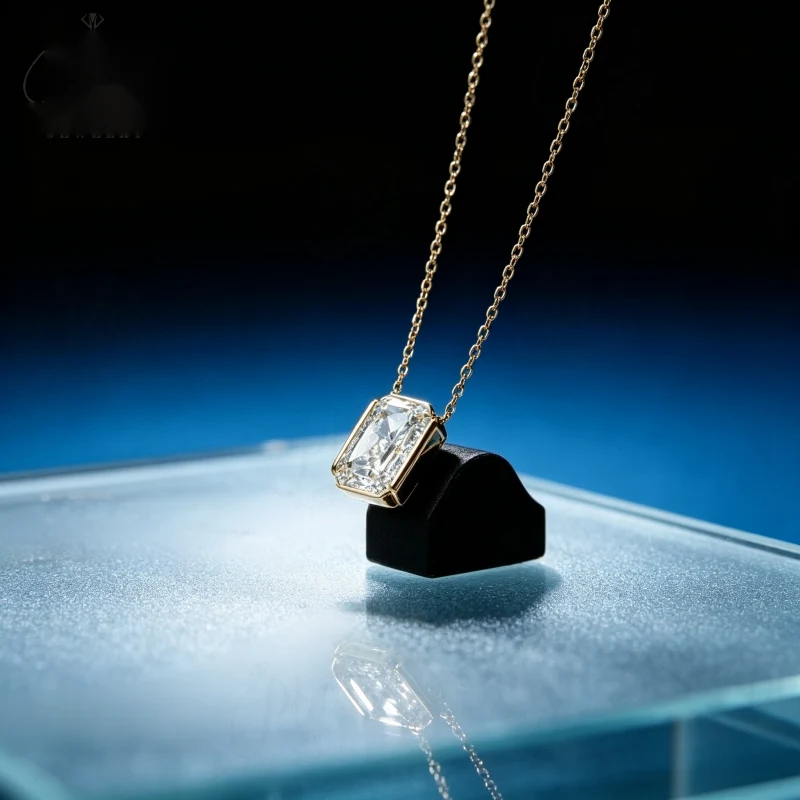
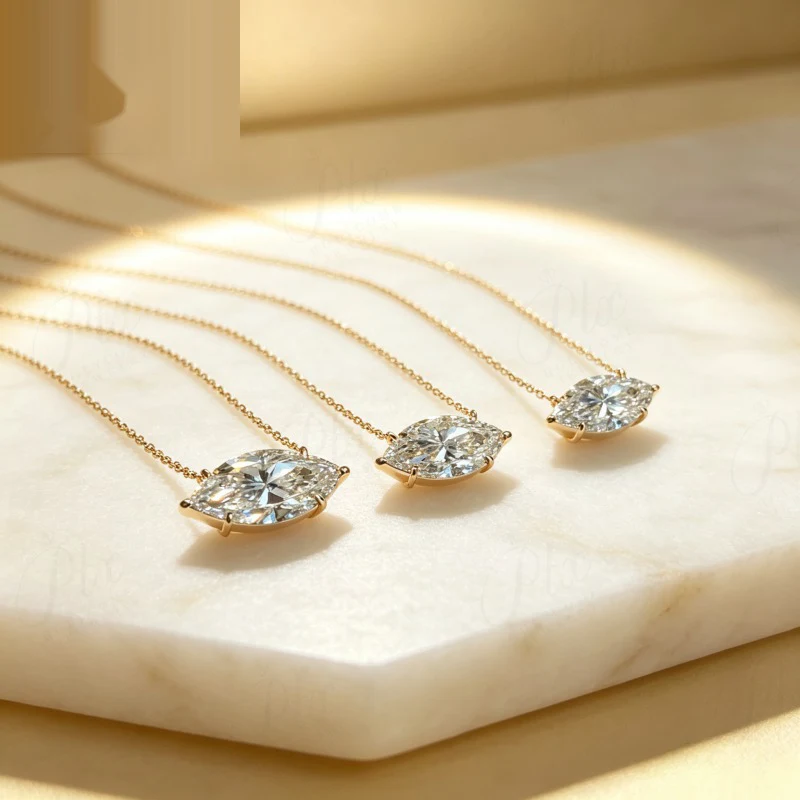
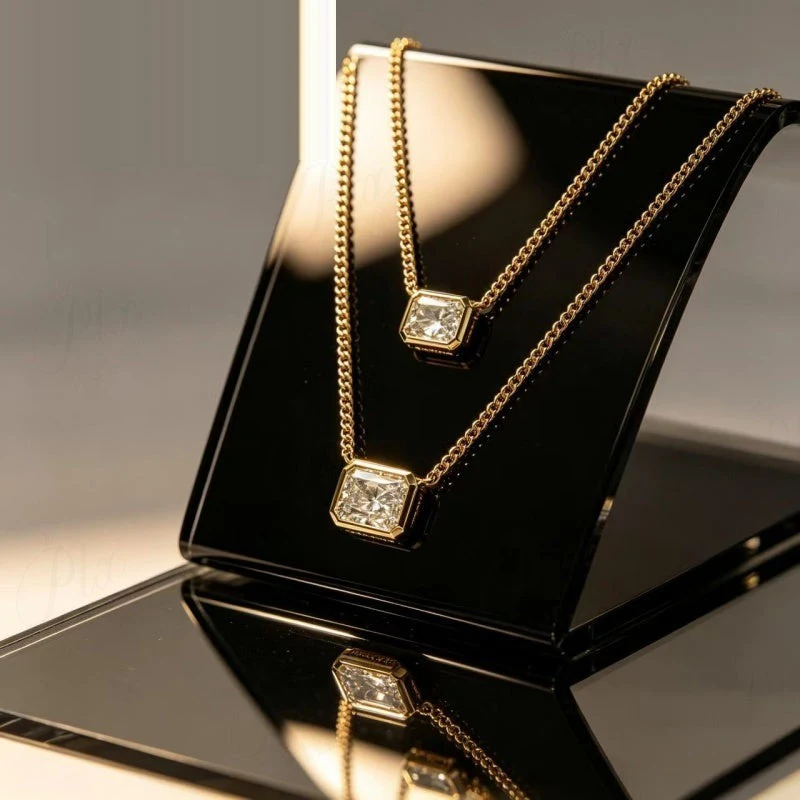
Wholesale Lab Grown Diamonds: Metal Type, Finish & Plating

Lab Grown Diamonds and the Metal Question Every Wholesale Buyer Must Answer
Lab grown diamonds are chemically and optically identical to mined diamonds, but the metal you set them in is not identical across suppliers, and that gap is where most wholesale listing problems begin. When you source Lab Grown Diamonds from a manufacturer, the setting metal and its finish determine your retail price point, your compliance risk on marketplaces, and how your customers perceive value.
This article walks through the practical decisions a US wholesale buyer faces when specifying metal type and finish for lab grown diamond jewelry, from choosing between 925 sterling silver and solid gold to writing accurate product disclosures that pass marketplace review.
The stakes are concrete. A storefront sold as gold plated when the customer expected solid gold generates returns and chargebacks. A listing that says "gold" without specifying karat or plating can be flagged by platform compliance teams. Clear metal disclosure protects your margin and your account standing, and it starts with understanding exactly what your manufacturer is putting under the stone.
Why Metal Type Shapes Your Entire Product Strategy
The metal under a lab grown diamond does three jobs at once. It carries the stone, it defines the price tier, and it tells the customer what they actually own. A 0.5 carat lab grown diamond set in 925 sterling silver with gold plating occupies a completely different market position than the same stone in 14K solid gold, even though the diamond itself is unchanged.
Wholesale buyers who treat metal as an afterthought usually discover the problem at the returns stage.
The Four Metal Categories You Will Encounter
Reputable manufacturers work within a defined metal menu, and you should insist on exact naming in every quote and product sheet:
- 925 sterling silver, often finished with gold plating or rhodium plating for color and tarnish resistance
- Gold vermeil, which is sterling silver base with a thicker gold layer and specific thickness requirements
- 10K, 14K, or 18K solid gold, priced by weight and karat with the market price of gold built into the quote
- Gold plated base metal, the lowest cost option and the one that requires the most careful labeling
Each category supports a different retail narrative. Solid gold supports heirloom positioning. Vermeil supports accessible luxury positioning. Plated silver supports trend-driven, price-sensitive assortments. None of these is inherently better; the failure mode is mismatching the disclosure to the metal.
How Finish Affects Perceived Quality
Finish is the second half of the disclosure equation. Rhodium plating on silver produces a bright white finish that complements the colorless look of high-color-grade lab grown diamonds. Yellow gold plating and rose gold plating change the perceived warmth of the piece and photograph differently under studio lighting.
A buyer sampling the same ring in three finishes should evaluate the samples under the same lighting their own product photography will use, because plating tone shifts noticeably between daylight and warm studio conditions.
Reading a Metal Disclosure Line by Line
When your manufacturer sends a spec sheet, the metal line should be unambiguous. Compare the two examples below and consider which one would survive a marketplace compliance audit and a skeptical customer review.
| Spec Sheet Term | What It Means | Retail Disclosure Language | Compliance Risk |
|---|---|---|---|
| Gold | Ambiguous; could be any karat or plating | Not usable as written | High |
| 14K solid gold | Solid 14 karat gold throughout | "14K solid gold setting" | Low |
| Gold vermeil | Sterling silver with thick gold layer | "Gold vermeil over 925 sterling silver" | Low |
| Gold plated 925 | Sterling silver with gold plating | "Gold plated 925 sterling silver" | Low |
| Gold plated | Unknown base metal with gold plating | Must name the base metal | Medium to high |
The pattern is simple: every disclosure should name the true metal and the true finish in plain terms. If your quote says only "gold," ask the factory to specify karat, plating thickness where applicable, and base metal before you commit to production.
Matching Metal Choice to Your Sales Channel
Different US sales channels reward different metal strategies, and your sampling decisions should reflect where the inventory will actually sell.
Ecommerce and Marketplace Sellers
Marketplaces scrutinize precious metal claims. Listings for gold plated or vermeil pieces that omit the base metal invite listing removal. The safest practice is to mirror the manufacturer spec sheet language directly in the listing title or first bullet: "1.0 carat lab grown diamond solitaire, gold plated 925 sterling silver." Buyers who sell across multiple marketplaces should keep a master disclosure sheet per SKU so every channel copies from one approved source rather than improvising wording per platform.
Retail Stores and Wholesale Distributors
Brick-and-mortar buyers can physically show the finish, which reduces the disclosure burden but raises the durability question. Plated silver worn daily will show wear on high-contact areas such as ring shanks and clasp edges sooner than solid gold. Store buyers should ask the factory about plating durability expectations for each finish and set customer expectations at the counter accordingly.
Many retailers carry plated silver for fashion price points and 14K solid gold for core permanent inventory, using the metal tier itself to segment the display.
Private Label and Custom Programs
Custom work runs at a 30 piece minimum per style, which makes metal selection a bigger financial commitment than stock ordering. Before approving a custom production run, the metal spec should be locked in writing, including karat for solid gold, plating tone for plated pieces, and finish details such as high polish versus satin. A custom run in the wrong metal tone is not a sampling error you can absorb at one piece; it is 30 pieces of renegotiation.
The Sampling Stage: Where Metal Mistakes Get Caught Cheaply
Sampling takes 7 to 10 days, and it is the cheapest point in the process to verify metal and finish. Sample orders are typically paid through PayPal, which keeps the commitment small while you evaluate. Use the sample stage to answer four questions:
- Does the physical metal match the spec sheet, including karat stamp on solid gold pieces and the 925 stamp on sterling silver?
- Does the plating tone match your brand's reference color under your photography lighting?
- Does the finish texture, polish level, and edge work match what your customers expect at your price point?
- Does the setting style hold the lab grown diamond securely and present the stone the way your listings will describe it?
Document the approved sample as your gold standard. When bulk production begins, the pre-ship AQL inspection is measured against that sample, so a well-documented sample becomes your strongest quality control tool.
Quality Control and Documentation Across the Production Run
Metal consistency is verified through a three-stage quality control process: incoming material inspection, in-process checks, and pre-ship AQL inspection. Incoming inspection confirms the raw metal and components match the specification. In-process checks catch plating tone drift and stamping errors before pieces are fully assembled. The pre-ship AQL inspection samples finished goods against the approved sample for finish, stamps, stone security, and overall workmanship.
For the stones themselves, request grading papers. Graded lab grown stones come with GRA or IGI certificates, which document the diamond's characteristics independently of the setting. Keeping the stone certificate and the metal spec sheet together per SKU gives you a complete, verifiable product record that supports both your listings and any customer dispute.
Logistics and Payment Terms for Metal-Heavy Orders
Solid gold orders carry more metal value per piece than silver orders, so payment structure matters. Standard terms are T/T with a 30 percent deposit and the 70 percent balance before shipment; sample orders typically run through PayPal. Plan your cash flow around the balance payment timing, especially on larger 14K and 18K programs where the balance represents a meaningful share of your working capital.
Once production and inspection clear, DDP delivery to the US takes 5 to 8 days. DDP means duties and shipping are handled before the goods reach you, which simplifies landed cost calculations. Buyers building seasonal assortments should work backward from their launch date: sampling at 7 to 10 days, bulk production at 15 to 25 days after approval, and transit at 5 to 8 days gives you the full timeline to plan around.
Order Terms for Wholesale Buyers
MOQ is 1 piece for stock styles and 30 pieces for custom work, and loose stones are sold by the carat. Sampling takes 7 to 10 days, and bulk production runs 15 to 25 days after the sample is approved. Pricing is quoted per piece or per carat depending on the item. Payment is T/T with a 30% deposit and the 70% balance before shipment, and PayPal is accepted for sample orders.
Frequently Asked Questions
Can I list a gold plated sterling silver piece as "gold jewelry"?
No. Accurate disclosure requires naming both the base metal and the finish, for example "gold plated 925 sterling silver." Vague "gold" language creates compliance risk on marketplaces and mismatched customer expectations that turn into returns.
How do I verify a solid gold piece is actually solid gold?
Check for the karat stamp, such as 14K, on the piece and confirm the karat is stated on the manufacturer's spec sheet and invoice. Solid gold pieces are priced by weight and karat, so your quote documentation should reflect both. If documentation and stamping do not align, resolve it before approving bulk production.
What is the difference between gold vermeil and gold plating?
Gold vermeil is a thicker gold layer over a 925 sterling silver base, while standard gold plating is a thinner layer and may sit over other base metals. Vermeil commands a higher retail position and should be disclosed as "gold vermeil over 925 sterling silver" to capture that value accurately.
Should graded stones come with certificates, and which ones?
Graded lab grown diamonds come with GRA or IGI papers that document the stone's characteristics. Request the certificate for each graded stone and keep it linked to the SKU alongside the metal spec sheet. This gives you a complete record for listings and customer inquiries.
How many pieces do I need to order for custom metal specifications?
Stock styles are available at a 1 piece minimum, while custom work requires 30 pieces per style. Loose stones are sold by the carat. If you want to test a specific metal and finish combination before committing to a custom run, start with a stock style sample and evaluate the metal first.
Build Your Lab Grown Diamond Program on Accurate Metal Disclosure
Metal type and finish disclosure is not paperwork; it is the foundation of how your lab grown diamond inventory is priced, marketed, and defended against returns. Start by browsing the ready-to-sample range in our product catalog, where each style lists its true metal and finish, then read more sourcing guidance on the wholesale jewelry blog.
When you are ready to request samples or lock a metal specification for a custom run, reach our team through the contact page and we will walk you through the sampling timeline and pricing structure.
Sources: Grading references: GIA gem education and GIA laboratory information.