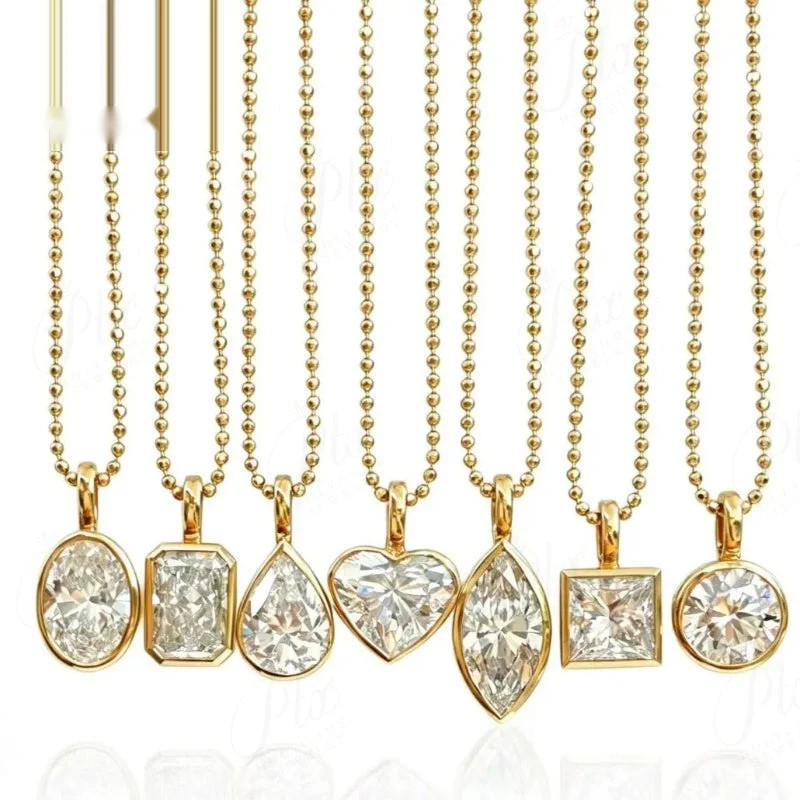
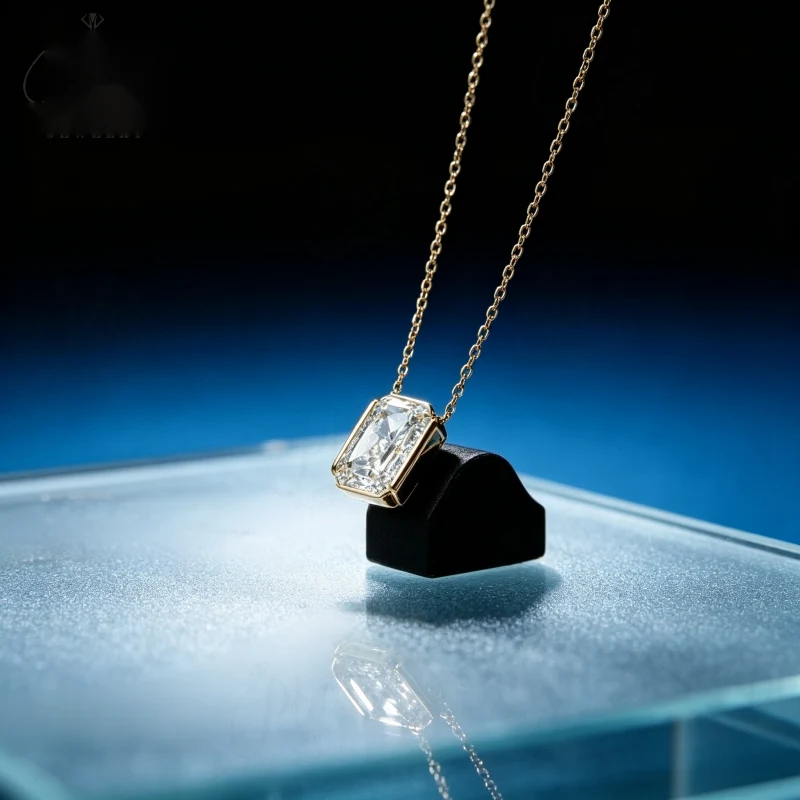
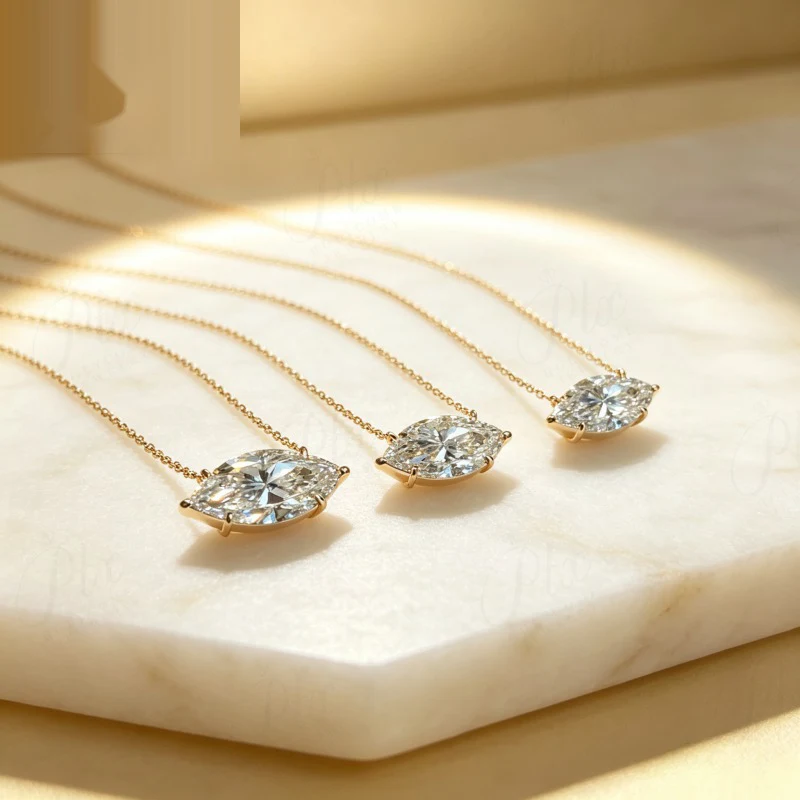
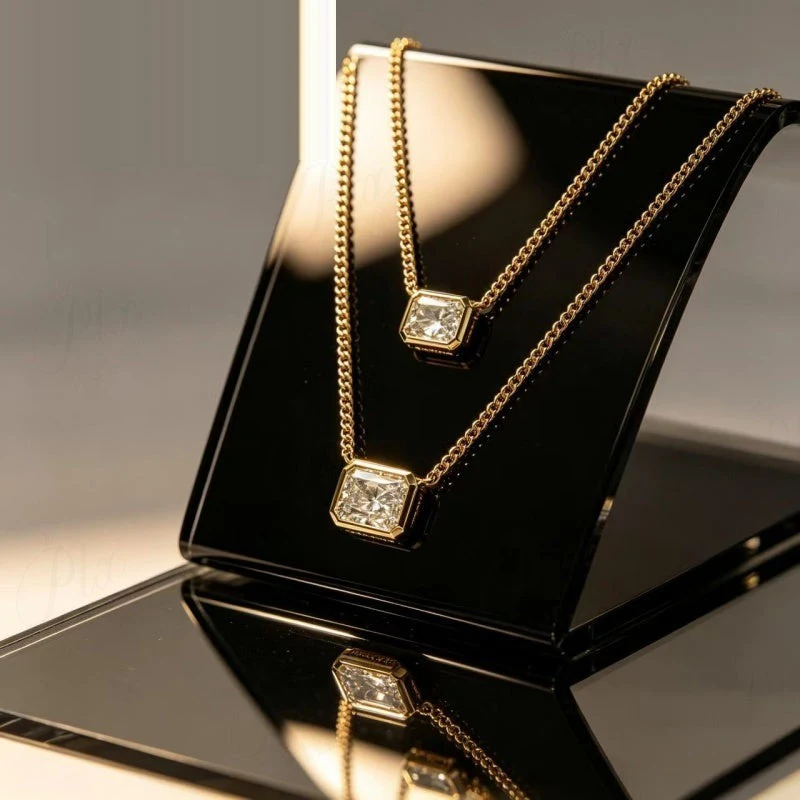
Wholesale Lab Grown Diamonds: MOQ, Sample Order & Bulk Pricing

Why MOQ and Sample Planning Shape Your Lab Grown Diamonds Program
Lab Grown Diamonds are among the most flexible categories a wholesale buyer can stock, largely because the minimum order quantity is low: one piece for stock styles, with custom work starting at 30 pieces. That structure changes how you should plan a buying cycle. Instead of committing to a large speculative order, you can test market demand with stock pieces, then move to custom production once you know what your customers want.
The practical challenge is sequencing: ordering samples, approving quality, scheduling bulk production, and timing your delivery so inventory arrives when your sales season needs it. This article walks through those decisions step by step, with the timelines and payment terms you should build into your purchasing calendar.
Understanding the Two-Tier MOQ Structure
Most suppliers in this category publish a single MOQ, which forces buyers into large commitments before demand is proven. A two-tier structure gives you a different planning model. For stock styles — loose stones and finished jewelry already in production — you can order one piece at a time. For custom work, such as a specific cut, carat weight distribution, or setting design exclusive to your brand, the MOQ is 30 pieces.
Loose stones are sold by the carat, so your per-unit cost calculation differs from finished jewelry, which is priced per piece.
When to Use the One-Piece Tier
The one-piece tier is your testing tool. Use it to evaluate stone quality in person, check how a setting photographs for your product listings, and gauge customer response before committing capital. Because pricing is per piece or per carat depending on the item, you can compare a single 1-carat loose stone against a finished solitaire pendant and decide which format suits your channel.
Many buyers build an assortment this way: a handful of loose stones in different carat weights and grades, plus a few finished styles, all ordered as single units.
When 30-Piece Custom Runs Make Sense
The 30-piece threshold applies to custom work, and it exists because custom production requires dedicated labor — CAD design, model making, and setting time that stock styles do not. If your brand needs a signature halo setting or a proprietary band profile, 30 pieces is the entry point.
Plan that number against your actual sell-through: if your retail or e-commerce channel moves 10 to 15 units per month in a given style, a 30-piece run covers roughly two to three months of stock, which is a reasonable reordering cycle rather than an excessive one.
Building a Sample Order Timeline That Actually Works
Sampling takes 7 to 10 days, and this is where many buyers underestimate their calendar. The sample stage is not just about seeing the product — it is where you confirm the stone grading matches the paperwork, evaluate the metal finish, and approve the reference for bulk production. Budget the full 10 days, because a rushed sample review often leads to problems discovered later in bulk.
What to Check During the Sample Stage
- Grading documents: stones above certain sizes come with GRA or IGI papers, so verify the certificate matches the physical stone.
- Metal accuracy: confirm the piece is 925 sterling silver, 10K/14K/18K solid gold, gold vermeil, or gold plated — whichever you actually ordered.
- Finish quality: prong alignment, polish, and edge work on the sample become your benchmark for bulk approval.
- Photography suitability: shoot the sample under your normal lighting before approving it as the production reference.
For sample orders, payment runs through PayPal, which keeps the transaction small and simple. Bulk orders move to T/T terms: a 30 percent deposit to start production and the 70 percent balance before shipment. Understanding that payment switch early helps you plan cash flow — samples are low-risk PayPal transactions, while bulk runs require deposit capital upfront and the balance locked in before the goods leave the factory.
Sequencing Bulk Production Against Your Sales Calendar
Bulk production takes 15 to 25 days after sample approval. Note the phrase "after approval" — the clock starts when you sign off on the sample, not when you place the bulk order. If your sample review takes a week of internal back-and-forth, your real lead time from initial inquiry to finished goods is closer to a month and a half.
Map this against your sales seasons: for a Q4 launch, you want samples ordered by early September, approved by mid-September, and production completed by mid-October to leave buffer before your peak.
The QC Stages and What They Mean for Your Timeline
Quality control runs in three stages: incoming material inspection, in-process checks during production, and a pre-shipment AQL inspection. The third stage matters most for your schedule, because an AQL failure at pre-ship can push your delivery back while defects are reworked. Buyers who approved a detailed sample and documented their finish expectations see fewer pre-ship surprises. Ask your supplier when the pre-ship AQL inspection is scheduled so you can plan the balance payment and shipping booking around a confirmed date.
Comparing Your Ordering Paths
The table below summarizes the two paths most wholesale buyers choose between when building a Lab Grown Diamonds program. Use it to decide where your first order should sit.
| Factor | Stock Styles | Custom Work |
|---|---|---|
| Minimum order | 1 piece | 30 pieces |
| Typical use | Testing and small runs | Brand-exclusive designs |
| Timeline | Ready to ship | 15 to 25 days after approval |
| Pricing basis | Per piece or per carat | Per piece, quoted per design |
Neither path is inherently better. A buyer supplying independent retailers may stay mostly in the stock tier and reorder frequently, while a DTC brand building a signature line will move to custom runs once the sample proves out. Many programs blend both: stock styles to fill the catalog, and one custom line as the differentiator.
Delivery and Receiving: Planning the Last Mile
Delivery to the US runs on DDP terms and takes 5 to 8 days. DDP means the shipment arrives with duties and taxes handled, so your receiving team is not caught by customs charges or brokerage delays. Build those 5 to 8 days into the tail of your timeline — a bulk run finished on day 25 is not in your warehouse until day 30 to 33 at the earliest.
For loose stones sold by the carat, confirm carat totals and certificate numbers against your purchase order at receiving, since stone-weight discrepancies are easiest to resolve while the shipment record is fresh.
Receiving Checklist for Bulk Shipments
- Match piece counts and carat totals against the confirmed order before signing the delivery receipt.
- Verify GRA or IGI paperwork accompanies every graded stone in the shipment.
- Spot-check finish quality against your approved sample.
- Photograph any discrepancies immediately and contact the supplier while the claim window is open.
A Sample Buying Cycle, Month by Month
Pulling the pieces together, here is how a realistic cycle looks for a buyer starting with samples and moving into a first custom run. Week one: select stock styles and loose stones, place a one-piece-per-style sample order, pay via PayPal. Weeks two to three: samples arrive after 7 to 10 days; review grading papers, metal accuracy, and finish; photograph samples. Week four: approve the reference sample, request a custom quote, and confirm the 30-piece scope.
Weeks five to eight: pay the 30 percent T/T deposit; bulk production runs 15 to 25 days with QC at three stages. Week nine: pre-ship AQL inspection clears, balance is paid, and DDP shipping books for 5 to 8 days to your US door. Total cycle: roughly nine to ten weeks from first inquiry to inventory on hand.
Buyers who compress this by skipping the sample review stage usually pay for it later, so treat the full sequence as the plan of record.
Order Terms for Wholesale Buyers
MOQ is 1 piece for stock styles and 30 pieces for custom work, and loose stones are sold by the carat. Sampling takes 7 to 10 days, and bulk production runs 15 to 25 days after the sample is approved. Pricing is quoted per piece or per carat depending on the item. Payment is T/T with a 30% deposit and the 70% balance before shipment, and PayPal is accepted for sample orders.
Frequently Asked Questions
Can I order a single sample of a custom design?
Custom work carries a 30-piece MOQ, so a one-piece order applies to stock styles rather than custom designs. If you want to test a custom concept, discuss with your supplier whether a modified stock style can approximate it as a sample. Once you approve the direction, the 30-piece run follows the standard sampling and production flow.
Do loose stones come with grading documents?
Graded stones in this category use GRA or IGI papers. Confirm the certificate type when you request your quote, since not every loose stone is graded — pricing is per carat for loose stones, and the paperwork depends on the stone and its size. Verify certificate numbers at receiving as part of your standard check.
What payment terms should I expect on my first bulk order?
Bulk orders run on T/T with a 30 percent deposit to begin production and the 70 percent balance due before shipment. Sample orders are handled through PayPal, keeping early-stage transactions small. Plan your cash flow so the balance is ready when the pre-ship AQL inspection clears, since shipment books promptly after payment.
How long until a full order reaches my US warehouse?
Add sampling (7 to 10 days), bulk production (15 to 25 days after sample approval), and DDP delivery to the US (5 to 8 days). A straightforward cycle lands around five to six weeks after sample approval, longer if sample review takes extra rounds. Build a buffer ahead of your sales season rather than scheduling against the minimum timeline.
Is lab grown diamond jewelry the same as natural diamond jewelry?
No. Lab grown diamonds are lab-created diamond alternatives, produced in a laboratory rather than mined. They are a distinct category with their own grading documentation, and product listings should describe them accurately as lab created. Clear labeling protects your brand and sets correct customer expectations.
Start Your First Sample Cycle
The MOQ structure in this category rewards buyers who plan: use the one-piece stock tier to test, approve samples carefully within the 7 to 10 day window, and schedule the 30-piece custom run with the 15 to 25 day production timeline and 5 to 8 day DDP delivery built in.
Browse the current catalog of Lab Grown Diamonds, finished styles, and loose stones in our product catalog, read more buying guides like this one on our wholesale jewelry blog, and request samples or a custom quote through our contact page. A well-planned first cycle sets the pace for every reorder that follows.
Sources: Grading references: GIA gem education and GIA laboratory information.