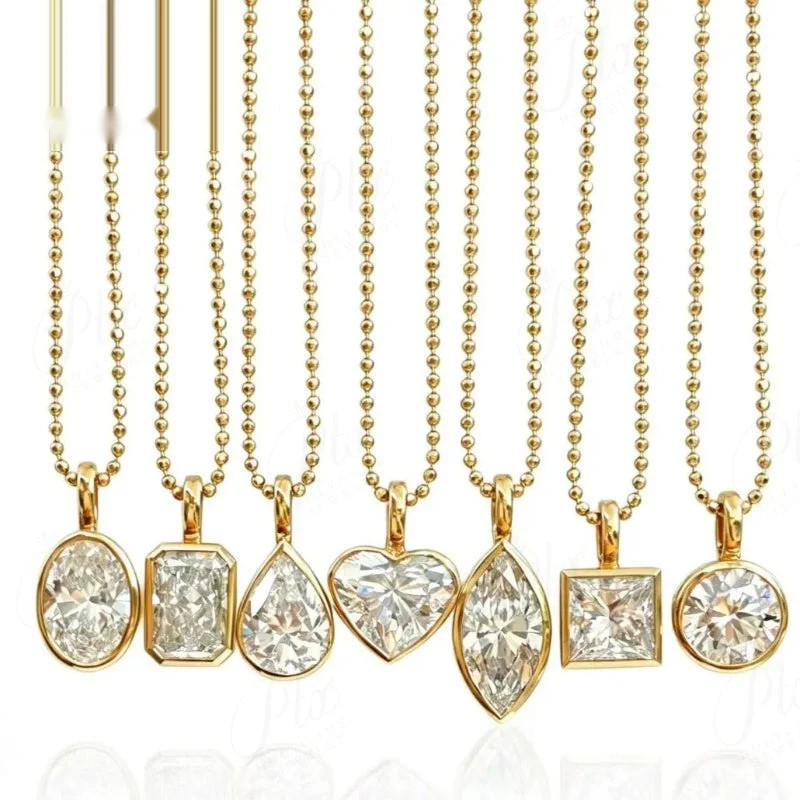
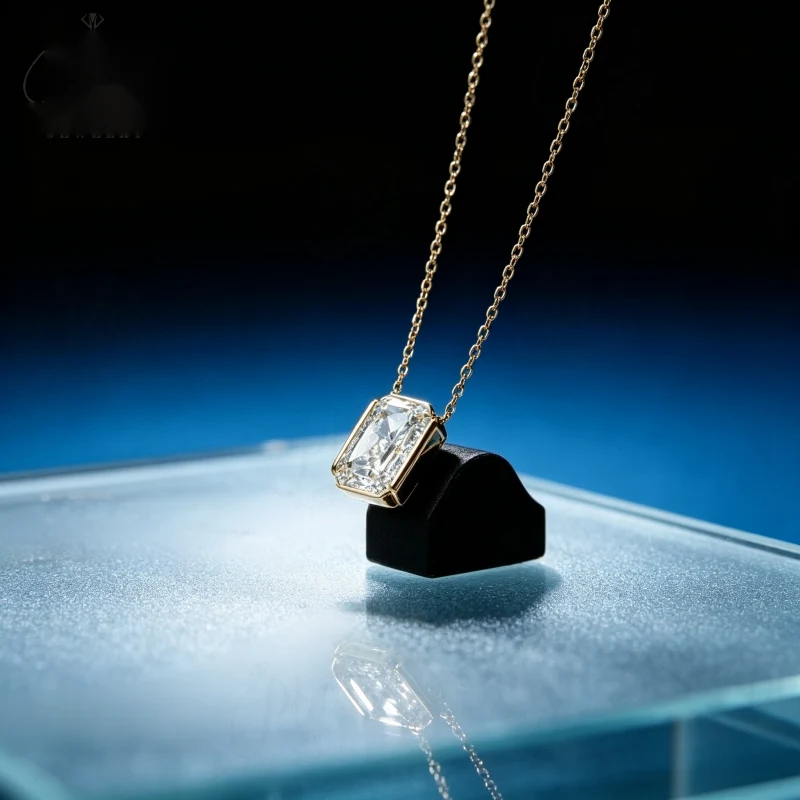
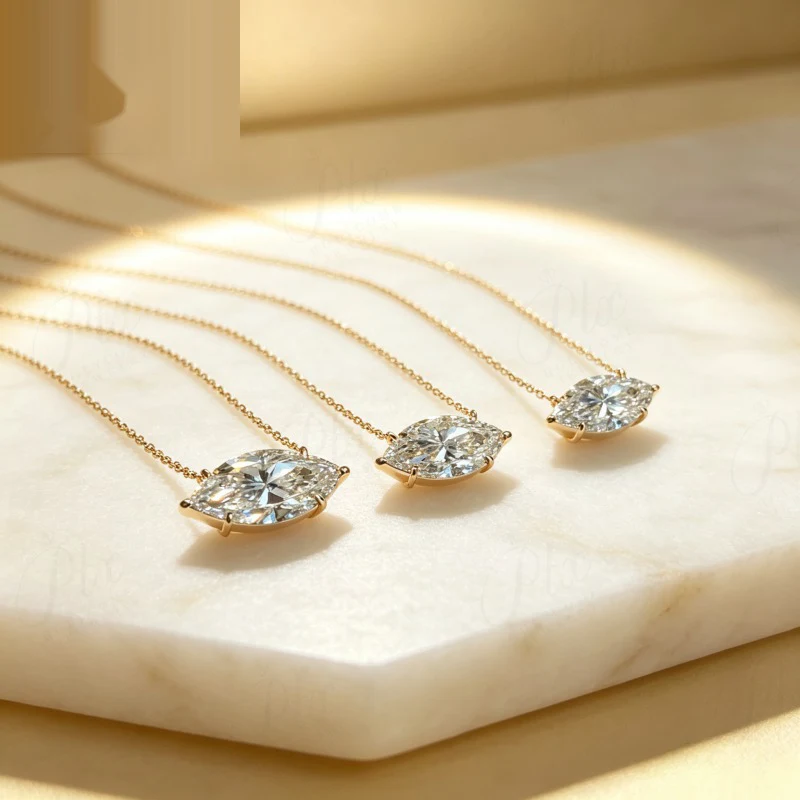
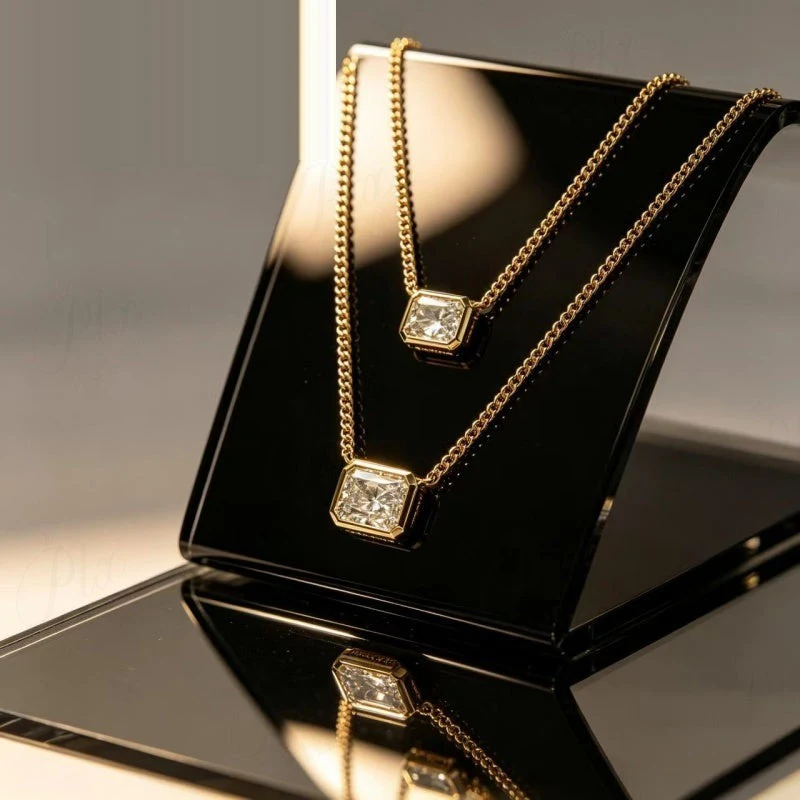
Wholesale Lab Grown Diamonds: Production Lead Times & Scheduling

Lab Grown Diamonds: Understanding Sampling and Bulk Production Lead Times
Lab grown diamonds have moved from novelty to staple in US wholesale jewelry programs, and the question buyers ask most after price is simple: how long will it take? For most factories, a sample of a lab grown diamond piece takes 7 to 10 days to produce, while bulk production runs 15 to 25 days after you approve the sample.
Those two windows shape every downstream decision you make, from trade show timing to retail launch calendars, so planning around them is the practical starting point for any sourcing cycle.
This article breaks down what happens during each stage, why the timelines differ, and how to sequence sampling and bulk production so your Lab Grown Diamonds program stays on schedule. The numbers here reflect standard factory workflows for stock styles and custom work, and they hold across most reputable manufacturing partners serving the US market.
Why Sampling Takes 7 to 10 Days
Sampling is the stage where your design or your chosen stock style gets turned into a physical reference piece. Even when a factory has the loose stones on hand, the sample window covers metal casting or fabrication, stone setting, polishing, and internal quality checks before the piece ships to you. A 7 to 10 day range accounts for the fact that most factories batch sample orders alongside production work rather than running them as rush jobs.
What Drives the Sample Timeline
Several variables can push a sample toward the longer end of the range:
- Custom CAD work or modifications to an existing design add design and approval time before casting begins.
- Sourcing a specific carat weight, cut, or color grade of lab grown diamond can add days if the stone is not in stock.
- Complex settings such as pavé, halo, or tension styles require more bench time than solitaires.
- Sampling during peak seasons, ahead of US holiday buying cycles, can queue your piece behind existing production.
If you order a sample of an existing stock style with stones on hand, expect the shorter end of the range. Custom work with a new CAD model and specific stone requirements will land toward 10 days or slightly beyond. Loose stones sold by the carat can often be pulled and shipped separately for review, which lets you evaluate stone quality while the setting work proceeds in parallel.
How to Review a Sample Efficiently
When the sample arrives, evaluate it against the same criteria your wholesale customers will use: stone symmetry, setting security, metal finish, and overall weight. Graded lab grown diamonds should arrive with GRA or IGI papers, and you should match the certificate number to the stone before approving production. Requesting changes at the sample stage is normal, but each revision cycle effectively restarts part of the sampling clock, so consolidate feedback into one round whenever possible.
Bulk Production: 15 to 25 Days After Approval
Once you approve the sample, bulk production takes 15 to 25 days. That clock starts at approval, not at the moment you place the order, which is why the sampling phase sits on the critical path for your launch date. A bulk order of 30 pieces for custom work, or any quantity of a stock style given the 1 piece minimum for stock, moves through casting, stone setting, polishing, and finishing in batches.
What Happens Inside the Production Window
The 15 to 25 day range reflects a full manufacturing sequence. Metal sourcing and casting occupy the first several days. Setting follows, and for pieces with multiple small stones, setting is typically the longest single stage. Polishing, plating or finishing for 925 sterling silver, 10K/14K/18K solid gold, or vermeil pieces, and final assembly fill out the remaining time. Larger orders may run toward the 25 day mark simply because batches move through stations sequentially.
Quality Control Across Three Stages
Production lead time includes quality control, and a disciplined factory builds it in at three points: incoming inspection of materials and loose stones, in-process checks during casting and setting, and a pre-ship AQL inspection before goods are packed. The pre-ship AQL inspection is the step most buyers care about, because it is the final gate before shipment and the point where defective units get pulled.
Building QC into the timeline rather than treating it as an add-on is what keeps the 15 to 25 day estimate realistic rather than optimistic.
Budgeting production against your retail calendar is easier when the stages are visible:
| Stage | Typical Duration | Key Buyer Action |
|---|---|---|
| Sampling | 7 to 10 days | Review sample and approve |
| Bulk production | 15 to 25 days | Confirm approval date in writing |
| DDP shipping to US | 5 to 8 days | Plan receiving and QC |
Add the shipping window to your planning from the start. DDP delivery to the US takes 5 to 8 days after production completes, and because the terms include duties and delivery to your door, you avoid customs delays that can derail a launch date. A realistic end-to-end timeline for a custom lab grown diamond program, from first sample request to goods on your shelf, is therefore roughly 27 to 43 days.
Sequencing Your Order to Protect Your Launch Date
Backward Planning from Your Deadline
Work backward from the date you need goods received. Subtract 5 to 8 days for DDP shipping, then 15 to 25 days for production, then 7 to 10 days for sampling, and add a buffer of several days for approval communication and any single revision round. If your wholesale customers need inventory by mid-October for holiday programs, a sample request should go out in early August.
Buyers who skip the buffer are the ones who end up choosing between delayed launches and skipping the sample stage.
Stock Styles Versus Custom Work
The minimum order quantity structure gives you two distinct paths. Stock styles carry a 1 piece minimum, which means you can order a single unit as a de facto sample, test it with your buyers, and reorder in volume with the same 15 to 25 day production window applying to the bulk run. Custom work carries a 30 piece minimum, and because it involves new tooling, CAD, and stone selection, the full sampling cycle matters more.
For custom programs, treat the sample as a contract: the approved sample defines the standard your bulk order is inspected against at the pre-ship AQL stage.
Ordering Loose Stones Separately
Because loose lab grown diamonds are sold by the carat and priced per carat, you can order stones ahead of setting work. This shortens the effective production window for custom pieces, since the setting bench is not waiting on stone procurement. Ask your supplier to confirm stone availability and grading papers before you approve the sample, so the bulk run starts with stones on hand rather than in transit.
Payment Terms and How They Interact With Lead Times
Payment structure and lead time are linked in practice, because production typically starts when terms are met. Standard terms are T/T with a 30 percent deposit and 70 percent balance before shipment. The deposit triggers material sourcing and production scheduling, so a delayed deposit directly delays your 15 to 25 day production window. For sample orders, PayPal is common, which keeps the sampling phase fast and low-friction.
Plan your deposit payment at the moment you approve the sample so the production clock starts immediately.
Practical Lead Time Scenarios for US Buyers
Consider three common buying situations. A buyer testing a new lab grown diamond solitaire line orders one unit of a stock style, receives it within roughly 7 to 10 days plus shipping, and places a bulk reorder with a 15 to 25 day production run. A retailer building a custom bridal program with a 30 piece minimum budgets one sampling round of 7 to 10 days, consolidates feedback, and lands bulk goods 15 to 25 days after approval.
A wholesaler replenishing proven bestsellers skips sampling entirely by reordering stock styles, treating the original approved sample as the quality standard, and uses the 15 to 25 day production plus 5 to 8 day DDP shipping window as a standing replenishment cycle.
In each case, the discipline is the same: confirm the approval date in writing, align your deposit with that date, and add the shipping window to every internal deadline you publish.
Order Terms for Wholesale Buyers
MOQ is 1 piece for stock styles and 30 pieces for custom work, and loose stones are sold by the carat. Sampling takes 7 to 10 days, and bulk production runs 15 to 25 days after the sample is approved. Pricing is quoted per piece or per carat depending on the item. Payment is T/T with a 30% deposit and the 70% balance before shipment, and PayPal is accepted for sample orders.
Frequently Asked Questions
How long does the full process take from first inquiry to delivery?
For a custom piece, expect 7 to 10 days for sampling, 15 to 25 days for bulk production after your approval, and 5 to 8 days for DDP shipping to the US. That totals roughly 27 to 43 days end to end. Stock styles with no sampling round can compress the timeline considerably.
Can I skip the sample stage for stock styles?
Yes, since stock styles carry a 1 piece minimum, you can order a single unit to evaluate quality before committing to volume. Many buyers treat that first unit as both sample and sellable inventory. For custom work with a 30 piece minimum, a physical sample approval is strongly advised before bulk production begins.
When do I pay during the sampling and production cycle?
Sample orders are typically paid via PayPal, keeping that phase quick. Bulk orders run on T/T terms with a 30 percent deposit and the 70 percent balance before shipment. Paying the deposit promptly when you approve the sample keeps the production clock from slipping.
How are lab grown diamonds graded and documented?
Graded lab grown diamonds come with GRA or IGI certificates, and you should verify the certificate number against each stone on receipt. Loose stones are sold by the carat and priced per carat, so grading documentation protects you on both quality and pricing. Match papers to stones before approving bulk production.
What quality checks happen before my order ships?
A three-stage QC process covers incoming inspection of materials and stones, in-process checks during manufacturing, and a pre-ship AQL inspection as the final gate. The pre-ship AQL inspection is where defective units are identified and pulled. Ask for inspection results with your shipment paperwork.
Start Your Lab Grown Diamond Sourcing Cycle
Lead times for lab grown diamond jewelry are predictable once you treat sampling and bulk production as one continuous schedule: 7 to 10 days for samples, 15 to 25 days for bulk production after approval, and 5 to 8 days for DDP delivery to the US. Build your retail calendar around those windows, align your deposit with your sample approval, and the timeline becomes a planning tool instead of a risk.
To review available styles and loose stones, browse our lab grown diamond product catalog, read more sourcing guidance in our wholesale jewelry blog, or request a sample quote through our contact page.
Sources: Grading references: GIA gem education and GIA laboratory information.