Wholesale Lab Grown Diamonds: Pricing Basis & Wholesale Price Lists

Understanding How Lab Grown Diamonds Are Priced at Wholesale
Wholesale buyers sourcing Lab Grown Diamonds need to understand one thing first: pricing is calculated per carat, not per piece, when the stones are sold loose. This is the single most important distinction on any wholesale price list, and it shapes how you compare suppliers, calculate landed cost, and set your own retail margins. This article walks through the pricing basis, how a typical price list is structured, and the practical decisions you face before placing a bulk order.
Lab Grown Diamonds are chemically and optically diamond, produced in a laboratory rather than mined from the earth. Because they are a manufactured product with more predictable output than mining, their wholesale pricing behaves differently from natural stones. Grading reports, carat weight bands, and color and clarity grades all feed into the per-carat rate you will see quoted.
Per Carat Versus Per Piece: Which Basis Applies to Your Order
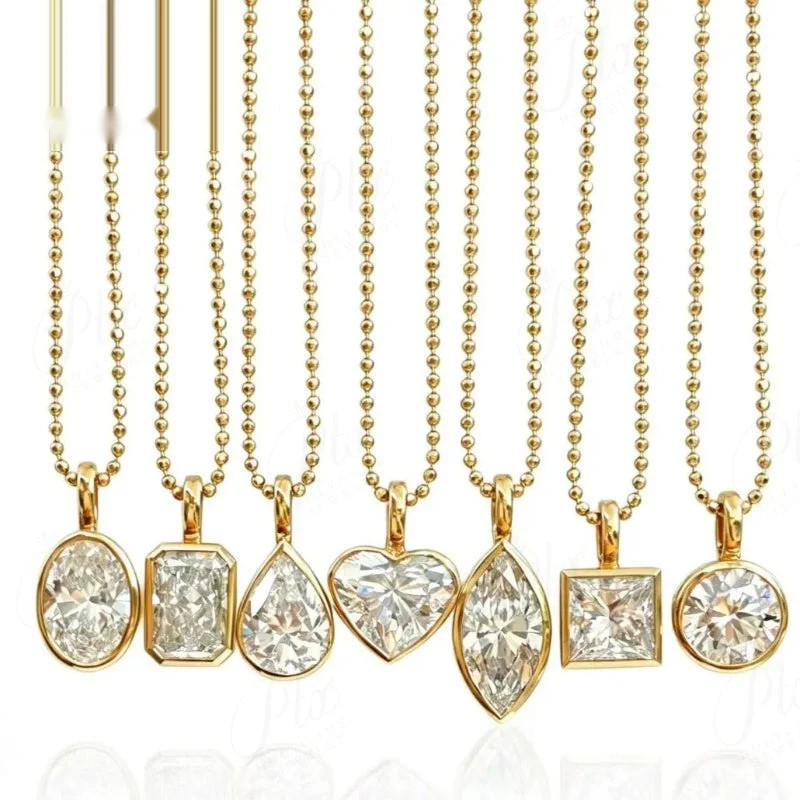
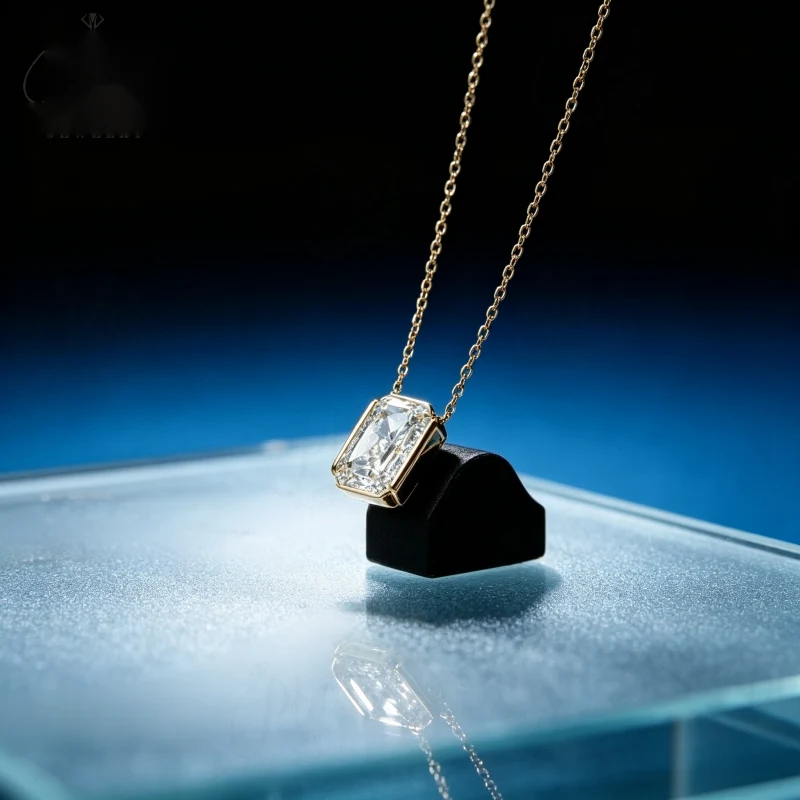
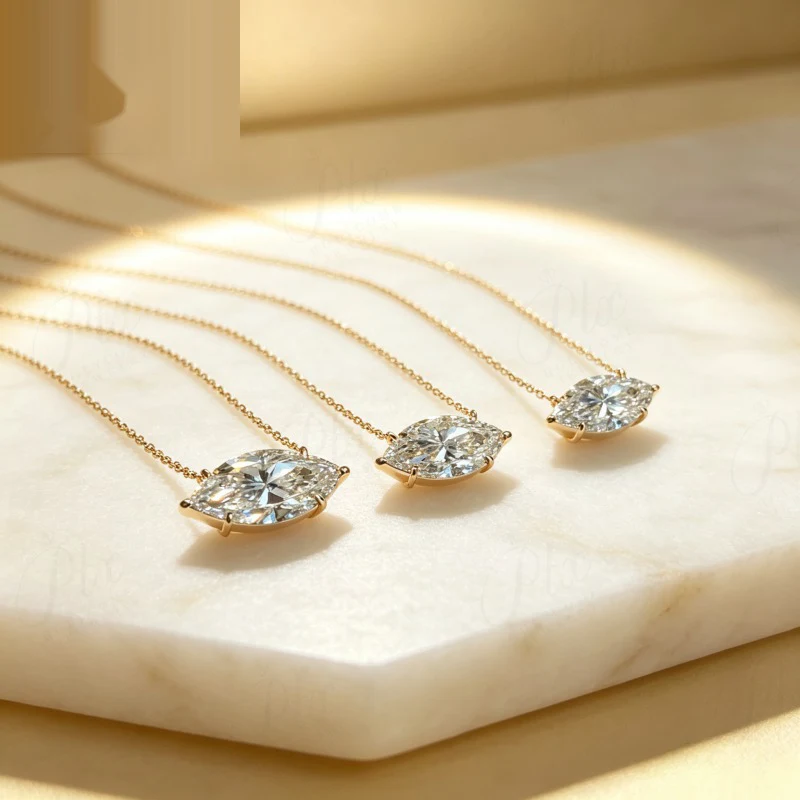
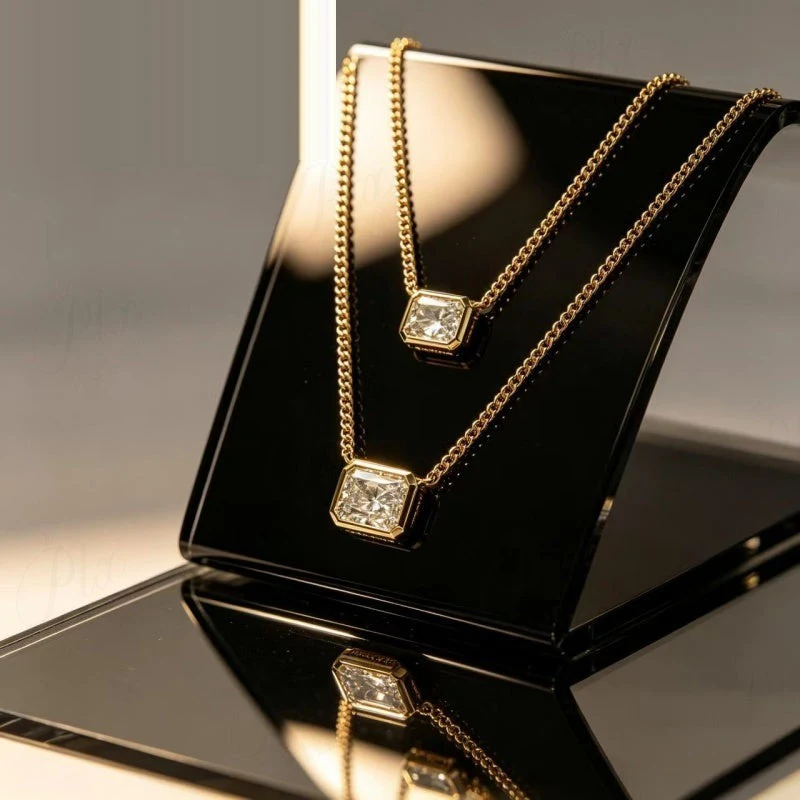
Our wholesale pricing works on two bases depending on the item. Loose stones are sold by the carat, so a 1.00 carat stone quoted at a per-carat rate is priced on its full weight. Finished jewelry set with stones is priced per piece, with the stone value built into that piece price.
This matters for how you read a price list. If you are a jewelry brand buying finished rings, pendants, or earrings, you will compare per-piece prices and evaluate the total look of the setting. If you are a manufacturer or stone dealer buying loose Lab Grown Diamonds for your own production, the per-carat rate is your working number, and you will calculate cost per finished piece by multiplying the rate by the total carat weight you set.
Carat Weight Bands Affect Your Per-Carat Rate
Per-carat pricing is not flat across all sizes. Stones are grouped into weight bands, such as sizes under 0.50 carat, the 0.50 to 0.99 carat range, the 1.00 to 1.49 carat range, and above. As stones move into higher weight bands, the per-carat rate rises because larger facetable rough is harder to grow to a high standard. When planning your buy, decide which weight bands your collection actually needs rather than defaulting to the largest stone you can afford.
Color and Clarity Grades Move the Rate
Within each weight band, the color and clarity grade of the stone adjusts the per-carat price. A stone graded in the near-colorless range with a clean clarity grade carries a higher per-carat rate than a stone with visible inclusions or a warmer body color. Many wholesale buyers work in the near-colorless range with a clarity grade of VS or higher, since that combination balances appearance against cost.
Your price list should show rates by grade so you can see exactly what each step up costs.
How a Wholesale Price List Is Structured
A practical wholesale price list for Lab Grown Diamonds is organized so a buyer can quote a stone in seconds. Rows represent weight bands and grade combinations, and the price column shows the per-carat rate. Finished goods lists work the same way but with per-piece prices for each setting style and metal choice.
Before the table, here is what a simplified loose-stone price list structure looks like in practice:
| Weight band | Color range | Clarity range | Grading paper | Pricing basis |
|---|---|---|---|---|
| 0.30 to 0.49 ct | Near colorless | VS and higher | GRA or IGI | Per carat |
| 0.50 to 0.99 ct | Near colorless | VS and higher | GRA or IGI | Per carat |
| 1.00 to 1.49 ct | Near colorless | VS and higher | GRA or IGI | Per carat |
| 1.50 ct and up | Near colorless | VS and higher | GRA or IGI | Per carat |
After the table, note that the grading paper column is not decoration. Every graded stone ships with a GRA or IGI report, which verifies the carat weight, color, and clarity grade you paid for. When comparing price lists from different suppliers, check whether the quoted rate includes a grading report, because that report is part of what your downstream customers will ask to see.
Minimum Order Quantities and How They Affect Pricing
Our MOQ structure is simple. Stock styles, meaning finished pieces already in production, are available at a MOQ of 1 piece. Custom work carries a MOQ of 30 pieces. Loose stones are sold by the carat, so you buy the total carat weight your project requires rather than meeting a fixed stone count.
For a buyer testing a new Lab Grown Diamonds line, this is a real advantage. You can order a single stock piece to evaluate the setting quality and the stone before committing to a custom run. Once you move to custom work, the 30-piece MOQ means you should have a clear plan for the collection before you commit, because tooling and setting labor are spread across that minimum.
Sampling Before Bulk Commitment
Sampling takes 7 to 10 days, and it is the step that protects your per-carat and per-piece calculations. A sample confirms that the stone grade in the price list matches what arrives in the setting, that the metal is what you specified, and that the finished weight works for your market. Bulk production runs 15 to 25 days after sample approval, so your total timeline from first inquiry to shipment is roughly four to five weeks.
Quality Control and Why It Matters to Your Price Per Carat
Every order passes through a three-stage QC process: incoming inspection of materials and stones, in-process checks during production, and a pre-ship AQL inspection before packing. For loose stone buyers, the incoming stage verifies that the carat weight and grade on each GRA or IGI paper match the stone. For finished goods buyers, the in-process and pre-ship stages catch setting defects, plating thickness issues, and stone security before the goods leave the factory.
The practical point for pricing is this: a low quoted rate means nothing if stones arrive under-grade or settings fail. QC at this level reduces the rework and replacement costs that would otherwise erode your margin. Ask any supplier you compare against to describe their inspection stages in the same detail.
Payment Terms and Landed Cost Calculation
Payment terms are T/T with a 30 percent deposit and the 70 percent balance before shipment. Sample orders can be paid through PayPal, which lowers the friction of testing a new supplier. When you build your landed cost, start with the per-carat or per-piece price, then account for shipping.
We ship DDP to the US, with delivery in 5 to 8 days. DDP means the quoted shipping covers duties and import clearance, so the price on the list plus the DDP shipping cost is effectively your landed cost per stone or per piece. For a loose stone buyer, divide total cost by total carat weight to get your true landed cost per carat, then apply your margin to that number rather than to the bare list price.
Reading Certificates Against Your Invoice
When a bulk lot arrives, match each GRA or IGI paper to its stone and to the invoice line. Because loose stones are billed by the carat, your invoice total reflects the sum of individual stone weights. Verifying papers against weights confirms you were billed correctly and gives you documentation for resale.
Planning Weight Bands Across a Collection
A common buying mistake is loading a collection with a single weight band. Spreading your buy across bands, for example pairing smaller accent stones with a central stone in a higher band, lets you control per-piece cost while keeping the finished look strong. Discuss your collection layout with your supplier before finalizing the price list rows you order against.
Order Terms for Wholesale Buyers
MOQ is 1 piece for stock styles and 30 pieces for custom work, and loose stones are sold by the carat. Sampling takes 7 to 10 days, and bulk production runs 15 to 25 days after the sample is approved. Pricing is quoted per piece or per carat depending on the item. Payment is T/T with a 30% deposit and the 70% balance before shipment, and PayPal is accepted for sample orders.
Frequently Asked Questions
Are Lab Grown Diamonds priced lower than natural diamonds?
Lab Grown Diamonds generally carry a lower per-carat rate than comparable natural stones, and the gap is one reason buyers use them for accessible price points. Pricing still depends on weight band, color, clarity, and grading paper. Request a current price list to see the rates for the grades you plan to stock.
How is the price calculated for a loose stone order?
Loose stones are billed by the carat, so your order total is the per-carat rate for each weight band multiplied by the carat weight in that band. Each graded stone ships with a GRA or IGI report confirming its weight and grade. Add DDP shipping to reach your landed cost.
Can I order one sample piece before a bulk order?
Yes. Stock styles are available at a MOQ of 1 piece, and sample orders can be paid via PayPal. Sampling takes 7 to 10 days, and bulk production takes 15 to 25 days after you approve the sample.
What metal options are available for finished pieces?
Finished Lab Grown Diamonds jewelry is available in 925 sterling silver, 10K, 14K, or 18K solid gold, gold vermeil, and gold plated options. Each metal is named accurately on the quote and invoice, so you know exactly what you are buying and can label it correctly for your customers.
What documents come with a wholesale stone order?
Graded stones arrive with GRA or IGI papers listing carat weight, color, and clarity. Your invoice itemizes the stones by band and rate. Every order also passes a pre-ship AQL inspection before it leaves the factory.
Get a Current Wholesale Price List for Lab Grown Diamonds
If you are ready to price out a collection, the fastest path is a current price list matched to your target weight bands and grades. Browse available stock styles and loose stone categories on our product catalog, read more buying guides on our wholesale blog, or reach the sales team through our contact page to request pricing and start a sample order.
Sources: Grading references: GIA gem education and GIA laboratory information.