Wholesale Moissanite Jewelry: Sizing, Setting & Durability

Moissanite Jewelry: Sizing, Settings, and Durability for Wholesale Buyers
Moissanite Jewelry offers wholesale buyers a lab-created diamond alternative that performs well in daily wear, but success in this category depends on three practical decisions: getting ring sizing right for your market, choosing settings that protect the stone, and understanding how durability holds up across price tiers. This guide walks through each decision with the specifics that matter when you are placing a bulk or custom order for the US market.
Why Sizing Comes First in Wholesale Moissanite Orders
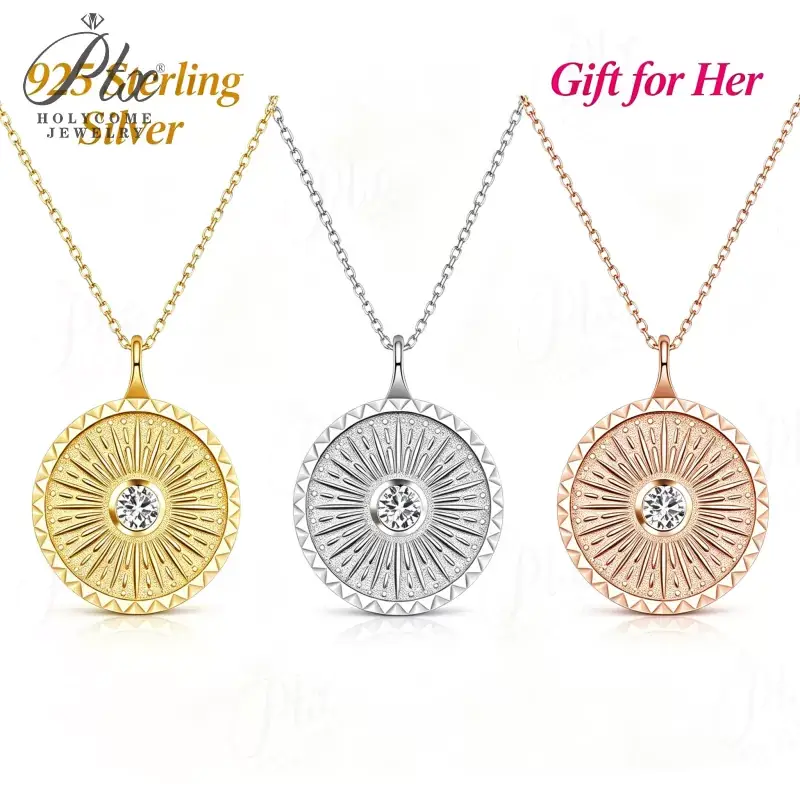
Sizing is the decision that most often creates returns and rework in wholesale jewelry programs. Moissanite is typically set into 925 sterling silver, 10K/14K/18K solid gold, gold vermeil, or gold plated brass. The base metal affects how a finished piece behaves during resizing, so it is worth confirming your size range before production begins rather than after goods arrive.
For stock styles, the practical approach is to carry a core size run, commonly centered on the sizes that move in US retail, and to use custom production for extended or unusual size ranges. Custom work requires a 30 piece minimum per style, which allows a factory to cut, set, and finish a consistent run across your size curve.
Stock styles carry a minimum order of 1 piece, so you can test a size run in small quantities before committing to bulk.
How Sizing Works After the Sale
Resizing a moissanite ring depends on the setting and the metal. A plain band in 925 sterling silver or solid gold can usually be sized up or down by a local jeweler. Tension settings, full eternity bands, and pieces with channel-set stones along the shank are difficult or impossible to resize without disturbing the stones. When you plan your assortment, flag these styles in your product data so retail staff and end customers know the sizing limits before purchase.
Sizing for Non-Ring Categories
Sizing questions extend beyond rings. Pendant chains, bracelet lengths, and earring drops all need specification in your purchase order. A common wholesale approach is to order pendants with adjustable chains in a small number of lengths, and to specify bracelet lengths in half-inch increments for the US market. Write these dimensions into the production specification sheet so the factory has a measurable target at the in-process quality check stage.
Setting Choices and What They Mean for Production
The setting is where engineering meets cost. Moissanite ranks high on the Mohs scale and has strong optical properties, but like any stone it stays secure only as well as its setting allows. The main setting types each carry different implications for sampling time, labor cost, and long-term wear.
| Setting Type | Stone Security | Resizing Notes | Typical Use |
|---|---|---|---|
| Prong | Good, with regular checking | Easy on plain shanks | Solitaires, studs |
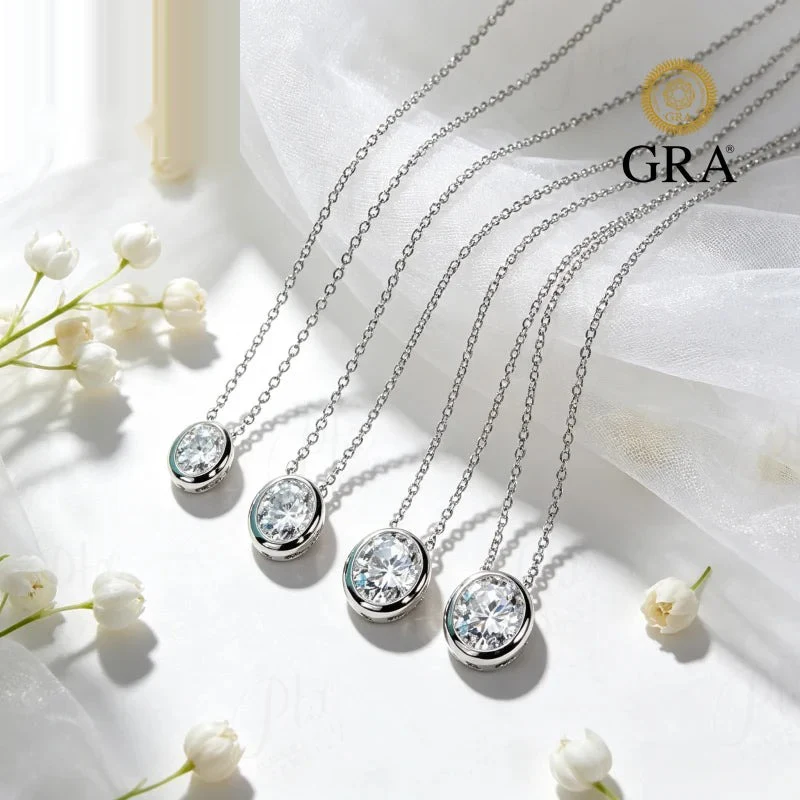
| Bezel | Strong full perimeter hold | Moderate difficulty | Everyday pendants |
| Channel | Secure, protected edges | Difficult to resize | Eternity-style bands |
| Pave | Small stones, check prongs | Difficult to resize | Halo designs |
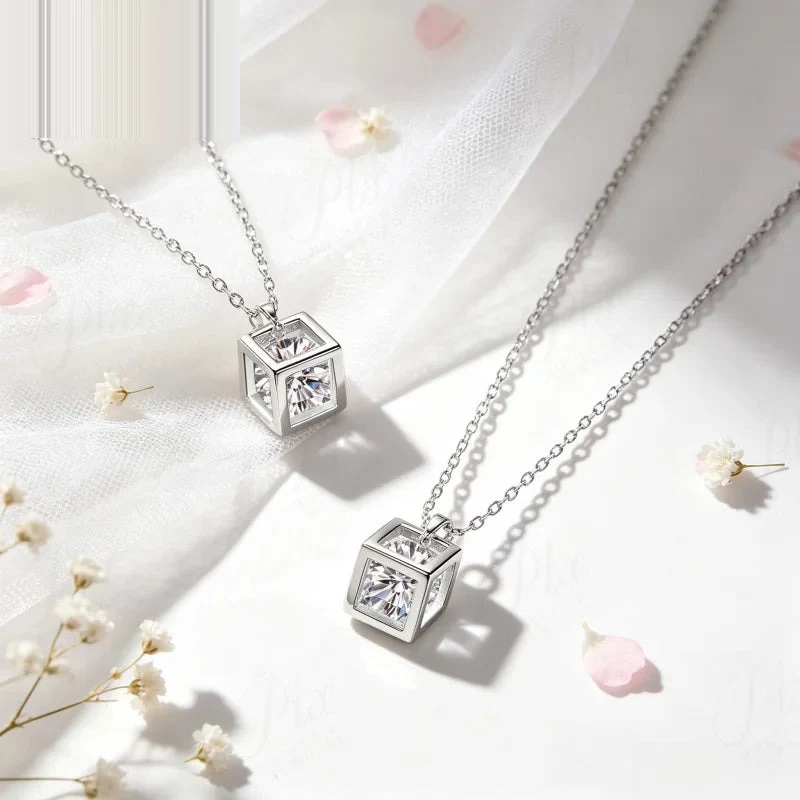
Use this comparison to match settings to your customer's wear pattern. Solitaires and studs sold as gift items do well in prong settings. Pieces positioned as daily wear benefit from bezel work, where the metal rim shields the stone edge from knocks. Halo and pave designs deliver visual weight and command higher retail prices, but they carry more small stones per piece, which raises labor cost and adds points to inspect at pre-ship.
Stone Grading Paperwork in the Buying Process
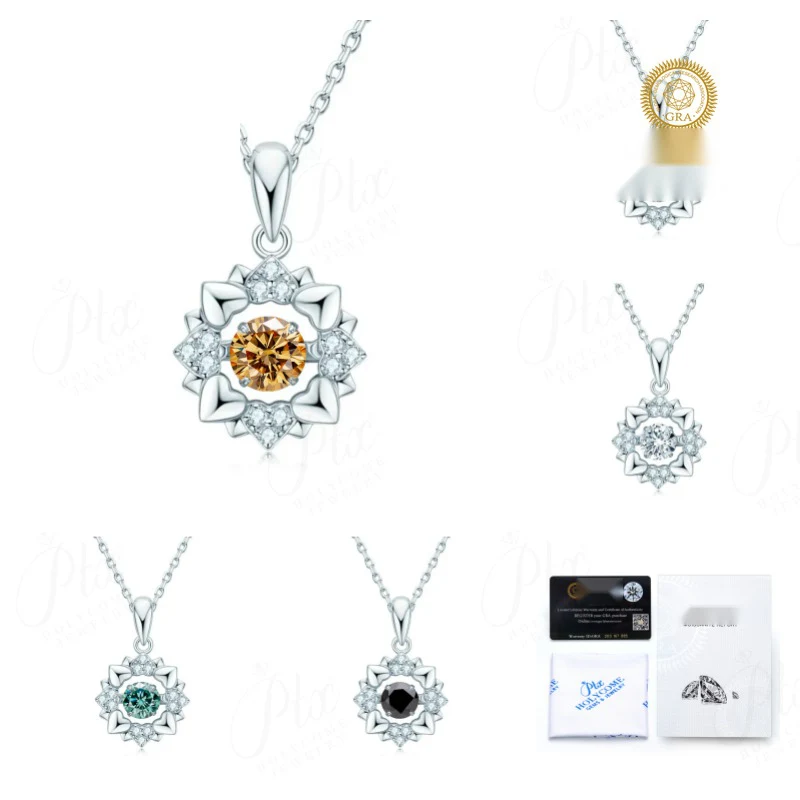
Graded stones in this category arrive with GRA or IGI papers. Decide at the quoting stage whether your program needs graded stones for every piece or only for higher-ticket items, since grading affects per-piece pricing. Papers give your retail customers independent documentation of the stone they are buying, which supports a higher price point in the US market.
Metal honesty and product descriptions
Write product copy that names the true metal. A piece in 925 sterling silver should say so, and a gold plated or gold vermeil piece should be described with those exact terms rather than as solid gold. Moissanite itself should be described as a lab-created diamond alternative, never as a natural diamond. Accurate descriptions reduce disputes, support marketplace compliance, and protect your retail accounts.
Durability Across Wear Scenarios
Moissanite is a hard, stable material suited to rings, bracelets, and pieces exposed to regular contact. Hardness describes resistance to scratching, though toughness describes resistance to chipping and breaking, and both matter in setting design. A hard stone in an exposed prong setting can still chip at the girdle from a sharp knock, which is why protective settings and sensible prong thickness belong in your specification discussion with the factory.
For silver-based pieces, discuss finishing at the sampling stage. Rhodium-style finishing on sterling silver slows the natural darkening that silver undergoes. Gold plated and gold vermeil pieces should carry care guidance in your retail packaging so end customers understand how plating wears over years of use. Solid gold pieces in 10K, 14K, and 18K offer the greatest long-term metal durability, with higher karat weights being softer but richer in color.
Quality Control Tied to Durability Claims
Durability claims only hold if production backs them up. A three-stage quality control process covers this: incoming inspection of metals and loose stones, in-process checks during setting and finishing, and a pre-ship AQL inspection on the finished lot. Ask which checks apply stone security, such as prong tightness and bezel seating, so you know the finished goods have been examined against the specification you wrote.
Sampling and Production Timelines
Plan your calendar around realistic lead times. Sampling takes 7 to 10 days, which is where sizing, setting choice, and finishing get confirmed on a physical piece. Bulk production runs 15 to 25 days after sample approval. Build both windows into your buying calendar, and treat the sample stage as the point to test ring sizing on real hands and to examine prong tips and bezel edges under magnification.
Pricing is quoted per piece or per carat depending on the item, with loose stones sold by the carat if you are setting stones into your own mounts. Payment terms use T/T with a 30 percent deposit and 70 percent balance before shipment; sample orders can be paid through PayPal. Delivery to the US uses DDP terms and takes 5 to 8 days, so customs clearance is handled before the goods reach your door.
Building the Order: From Sample to Repeat Program
A workable sequence for a new moissanite program looks like this. Start with one or two stock styles at a 1 piece minimum to test the market. Move to a custom run at the 30 piece minimum once you know which sizes, settings, and price points sell. Confirm grading paperwork requirements, metal composition, and size curve in writing before the deposit.
Keep setting and sizing limits documented for your retail accounts so returns stay low over the life of the program.
Order Terms for Wholesale Buyers
MOQ is 1 piece for stock styles and 30 pieces for custom work, and loose stones are sold by the carat. Sampling takes 7 to 10 days, and bulk production runs 15 to 25 days after the sample is approved. Pricing is quoted per piece or per carat depending on the item. Payment is T/T with a 30% deposit and the 70% balance before shipment, and PayPal is accepted for sample orders.
Frequently Asked Questions
Can moissanite rings be resized after purchase?
Plain shank rings in 925 sterling silver or solid gold can generally be resized by a local jeweler. Styles with channel-set stones, full eternity bands, and tension settings are difficult to resize without disturbing the stones. Flag these limits in your product data before the goods reach retail.
Which setting offers the most protection for daily wear?
Bezel settings surround the stone edge with metal, shielding the girdle from knocks, which makes them a strong choice for pieces positioned as daily wear. Prong settings show more of the stone but need occasional prong checks. Channel settings protect small stones along a band but limit resizing options.
Do graded stones come with documentation?
Yes. Graded stones in this category are supplied with GRA or IGI papers. Confirm at the quoting stage which pieces in your program need graded stones, since grading affects per-piece pricing.
What are the payment and shipping terms for a bulk order?
Bulk orders use T/T with a 30 percent deposit and the 70 percent balance before shipment. Sample orders can be paid through PayPal. DDP delivery to the US takes 5 to 8 days after production completes.
How is moissanite different from a diamond?
Moissanite is a lab-created diamond alternative with its own optical properties, not a natural diamond. Describe it accurately in product copy as a lab-created stone, and name the true metal of the setting in every listing.
Next Steps for Your Moissanite Program
Getting sizing, settings, and durability right at the sample stage is what turns a first order into a repeat wholesale program. Browse available styles and loose stones in the product catalog to start a stock or custom selection, and read more buying guides in the wholesale jewelry blog for details on metals, grading, and US delivery.
When you are ready to request a quote or discuss a 30 piece custom run, reach the team through the contact page and the factory will respond with timelines and pricing per piece or per carat.
Sources: Grading references: GIA gem education and GIA laboratory information.