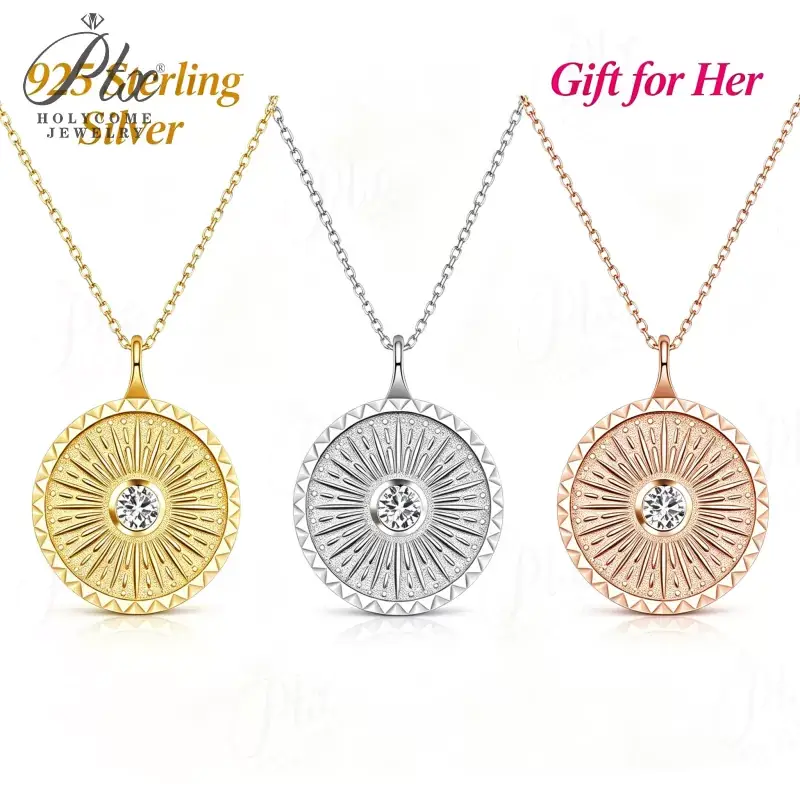
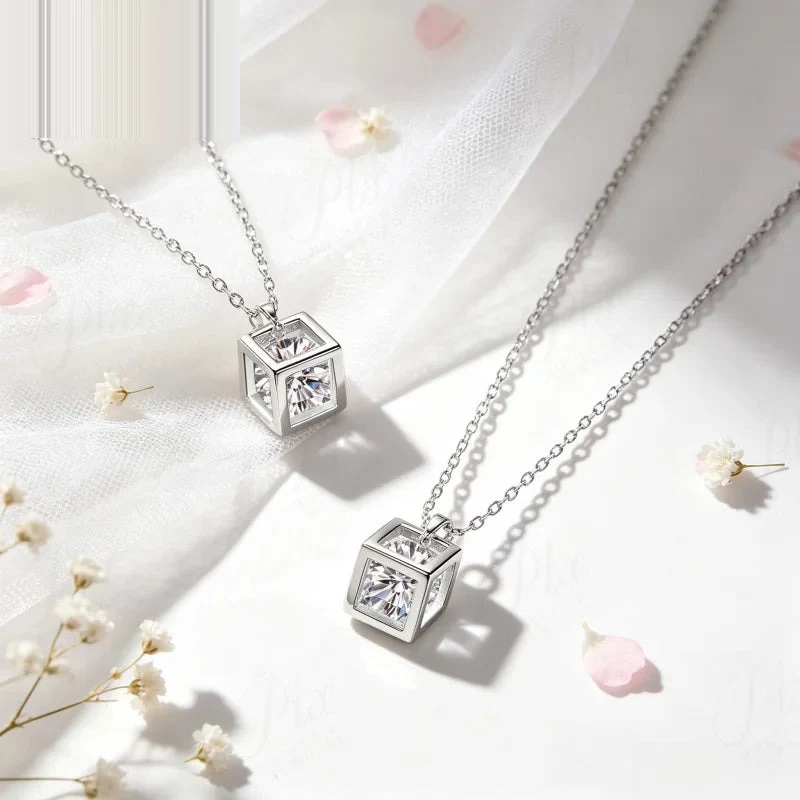
Wholesale Moissanite Jewelry: Retail-Ready Packaging & Branding

Moissanite Jewelry That Arrives Retail Ready
Moissanite jewelry can absolutely be shipped in packaging that supports immediate retail display, and the difference between a resale-ready shipment and one that needs rework usually comes down to decisions made before production begins. Wholesale buyers who plan packaging early avoid delays, damaged goods, and the hidden cost of repacking inventory in their own warehouse. This article walks through the practical packaging and retail-readiness questions a US buyer should resolve with a supplier before confirming an order.
Why Packaging Decisions Belong in the Order Stage
Packaging is not an afterthought in the wholesale jewelry trade. When a shipment of moissanite pieces arrives in bulk poly bags, the buyer must pay for sorting, polishing, re-tagging, and repacking before anything reaches a display case. Those steps add labor days and can introduce scratches or lost stones. When packaging is specified at the order stage, goods can move from the shipping carton to the sales floor with minimal handling.
Retail readiness also affects perceived value. A moissanite pendant presented in a fitted box with a cushion insert reads differently to a shopper than the same pendant in a loose bag. For US retailers selling lab-created diamond alternatives, presentation helps communicate that moissanite is a distinct gemstone with its own identity, not a substitute product.
Packaging Questions to Settle Before Deposit
Ask your supplier to confirm the following in writing before you pay the 30 percent T/T deposit:
- Individual piece packaging: box, pouch, or carded display for each unit.
- Anti-tarnish protection for 925 sterling silver settings.
- Tagging: barcodes, SKU labels, or price tags applied per your specification.
- Carton labeling and inner-box counts that match your receiving process.
- Whether packaging materials are included in the per-piece price or quoted separately.
Suppliers that handle custom work with a 30 piece minimum per style can usually accommodate branded boxes and custom cards at that volume. Stock styles sold at a 1 piece minimum may come in standard packaging, so confirm what is included before ordering samples.
Matching Packaging to Your Sales Channel
Different retail channels place different demands on packaging. A marketplace seller shipping direct to consumers needs e-commerce protection, while a brick-and-mortar store needs counter display formats. Define your channel first, then specify packaging to match.
E-Commerce and Dropship Resale
If pieces ship directly to end customers, each unit needs protective outer packaging that survives courier handling. A velvet pouch inside a rigid box, sealed and labeled, performs better than a single soft pouch. Ask whether the supplier can insert your branded thank-you card or insert sheet during the pre-ship stage, since adding inserts after arrival doubles handling.
Physical Retail and Counter Display
Store buyers should request display-ready formats: hinged boxes with fitted inserts, hang tags sized for your pegs, and optional counter trays. Because bulk production runs 15 to 25 days after approval, ordering display fixtures in the same production window keeps everything arriving together. DDP delivery to the US takes 5 to 8 days after shipment, so plan shelf dates backward from that timeline.
Gifting and Seasonal Programs
Holiday and gifting lines benefit from upgraded presentation, such as magnetic-close boxes or sleeve wraps. Because custom packaging runs alongside the 30 piece custom minimum, a seasonal capsule of several styles can share one box design across the collection, spreading the tooling cost across the assortment.
Branding, Labeling, and Compliance Documentation
Retail-ready means more than an attractive box. US buyers should align branding and paperwork with the product itself.
Accurate Metal and Stone Disclosure
Every card, tag, and insert must name the true materials. Settings should be described as 925 sterling silver, 10K, 14K, or 18K solid gold, gold vermeil, or gold plated, matching the actual specification of the piece. Stone descriptions should identify moissanite as a lab-created gemstone and diamond alternative. Never allow packaging copy to imply a natural diamond, since mislabeled goods create returns, chargebacks, and regulatory exposure.
Gemstone Paperwork in the Box
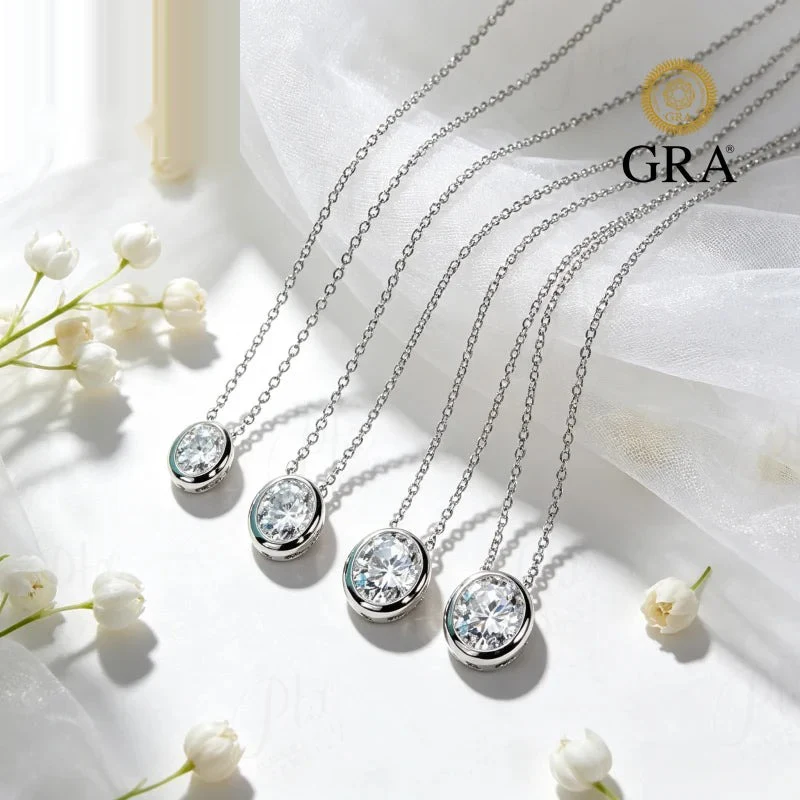
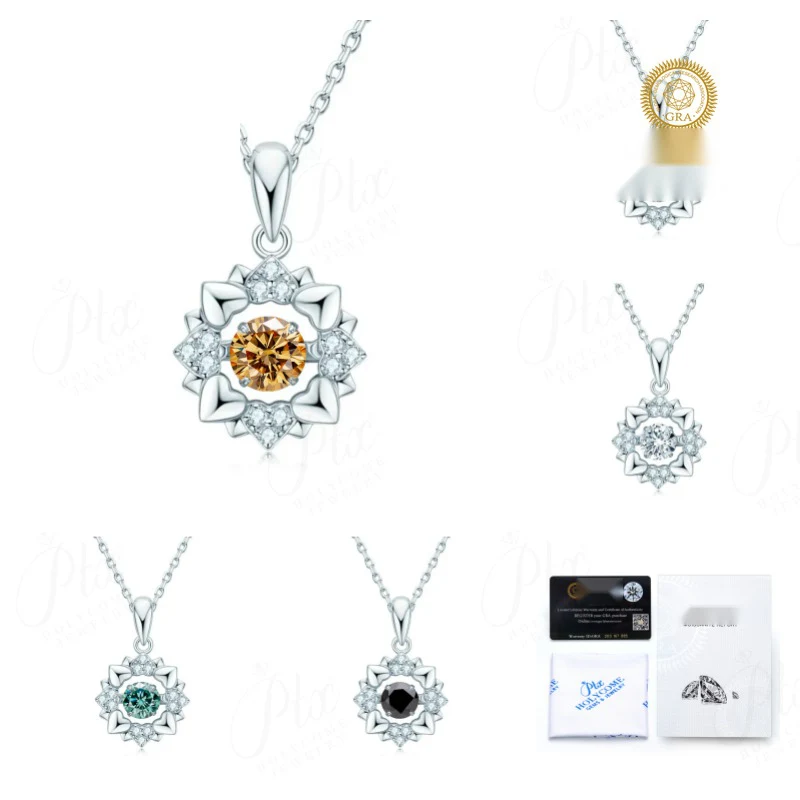
For graded stones, GRA or IGI certificates accompany the goods. Ask whether certificates are packaged with each piece or issued separately to you as the buyer. Retailers often present the certificate at the counter or include a copy in the box, so decide which format fits your sales process and confirm it during sampling.
Sampling: Where Packaging Gets Tested
The 7 to 10 day sampling window is the right moment to evaluate packaging as rigorously as the product itself. Pay for samples using PayPal, receive them, and inspect how the piece sits in its insert, how the box closes, and how the packaging survives the courier trip. Photograph any issues and send them back with revision notes.
Use the sample round to test practical details:
- Whether the chain in a pendant box tangles during transit.
- Whether ring inserts hold size range 5 through 10 securely.
- Whether anti-tarnish strips inside silver packaging are present and sealed.
- Whether printed branding matches your artwork and color expectations.
A packaging revision found at sample stage costs a few days. The same problem found after a 15 to 25 day bulk run costs weeks and money.
Quality Control Extends to Packaging
A three-stage QC process covers packaging as well as product. Incoming inspection confirms box, pouch, and tag materials match the approved sample. In-process checks catch tagging errors before pieces are boxed. Pre-ship AQL inspection verifies that packed cartons contain the correct units, counts, and labeling before the balance payment triggers shipment.
Ask your supplier how packaging defects are handled under the AQL inspection. A missing insert or wrong SKU label should be treated as a rejectable defect, not a footnote. Buyers who write packaging acceptance criteria into the order reduce disputes at the pre-ship stage.
Carton Planning for US Receiving
Practical carton planning saves receiving labor. Request inner boxes in fixed counts, carton labels listing style numbers and quantities, and a packing list that matches carton numbering. If your warehouse scans barcodes at intake, have tags or labels barcoded at the factory instead of applying them domestically.
Timeline and Cost Planning for Retail-Ready Orders
Build packaging into your production calendar. The sequence looks like this: sampling and packaging approval take 7 to 10 days, bulk production runs 15 to 25 days after approval, and DDP delivery to the US takes 5 to 8 days. A retailer targeting a seasonal launch should therefore start the process roughly six weeks ahead, plus buffer for revisions.
On cost, clarify whether packaging is bundled into the per-piece price or quoted per item. Pricing is quoted per piece or per carat depending on the item, and upgraded packaging may adjust the per-piece figure. For loose stones sold by the carat, packaging typically takes the form of stone jars or labeled boxes, which should also be specified upfront.
The table below summarizes common packaging formats and where each fits in a wholesale program.
| Format | Typical Use | Channel Fit | Planning Note |
|---|---|---|---|
| Velvet pouch | Stock styles at low volume | Marketplace resale | Add rigid outer box for courier |
| Hinged box with insert | Pendants, rings, earrings | Retail counter | Confirm insert holds size range |
| Magnetic-close gift box | Seasonal and gifting lines | Gifting programs | Share one design across styles |
| Carded hang display | Earrings and chains | Pegged retail walls | Match tag size to your pegs |
| Labeled stone box | Loose moissanite by carat | Trade and designers | Pair with GRA or IGI papers |
Review this table with your supplier during the sample stage so the chosen format is locked into the production specification, not decided at packing time.
Order Terms for Wholesale Buyers
MOQ is 1 piece for stock styles and 30 pieces for custom work, and loose stones are sold by the carat. Sampling takes 7 to 10 days, and bulk production runs 15 to 25 days after the sample is approved. Pricing is quoted per piece or per carat depending on the item. Payment is T/T with a 30% deposit and the 70% balance before shipment, and PayPal is accepted for sample orders.
Frequently Asked Questions
Can I order my own branded boxes with a small order?
Custom packaging generally aligns with the 30 piece minimum for custom work, since printing and tooling need volume to make sense. For stock styles sold at a 1 piece minimum, standard packaging is the usual starting point. If branding matters to your program, consolidate your assortment to reach the custom threshold.
Is packaging included in the quoted price?
It depends on the item and the specification, so ask for a written breakdown. Pricing is quoted per piece or per carat depending on the item, and upgraded packaging may be itemized separately. Confirming this before the 30 percent deposit avoids surprises on the final balance.
How do certificates arrive with the jewelry?
Graded stones ship with GRA or IGI papers, and you can request that certificates travel with each piece or be issued to you in a separate documents pouch. Decide during sampling which format your sales team prefers. Either way, verify certificate numbers against goods during receiving.
Will the packaging survive DDP shipping to the US?
DDP delivery to the US takes 5 to 8 days after shipment, and cartons are packed for that transit window. Still, request inner-box counts and carton labels that match your packing list so any transit issue is visible at intake. Photograph cartons before opening if anything looks compromised.
How early should I start for a holiday launch?
Count backward from your shelf date: 5 to 8 days for DDP transit, 15 to 25 days for bulk production, 7 to 10 days for sampling, plus revision time. Six weeks minimum is a workable planning window. Starting earlier gives room for one packaging revision without pressure.
Get a Retail-Ready Moissanite Program Started
Packaging and retail readiness are controllable variables when you specify them early, test them in sampling, and verify them at pre-ship inspection. Whether you are building a branded box program for custom styles or preparing stock pieces for counter display, our team can quote per-piece pricing with packaging included, provide GRA or IGI papers for graded stones, and ship DDP to the US in 5 to 8 days.
Browse the full range on our products page, read more buying guidance on the blog, and request a quote with your packaging specification through the contact page.
Sources: Grading references: GIA gem education and GIA laboratory information.