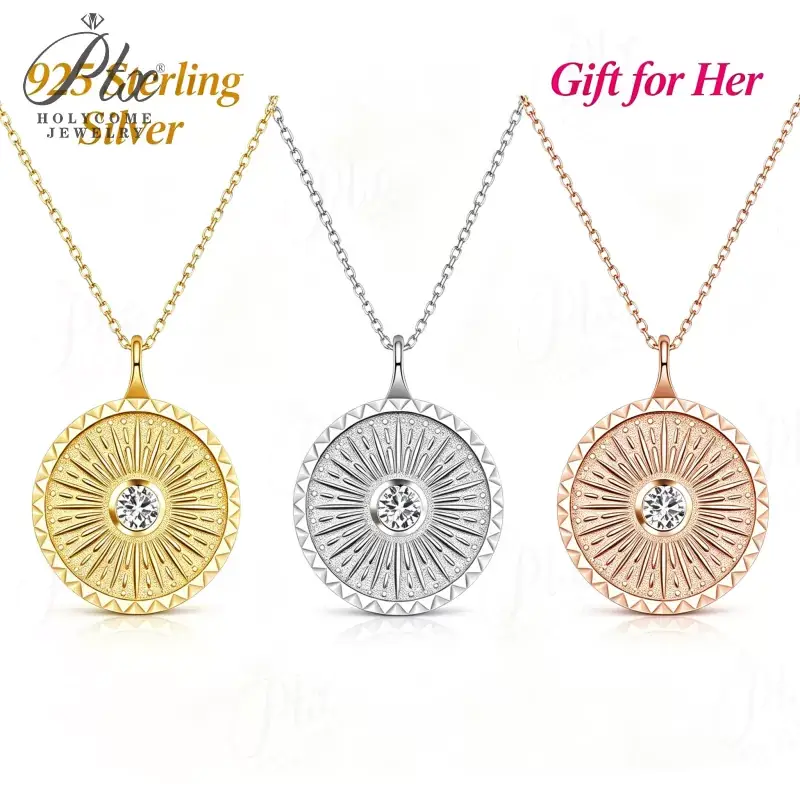
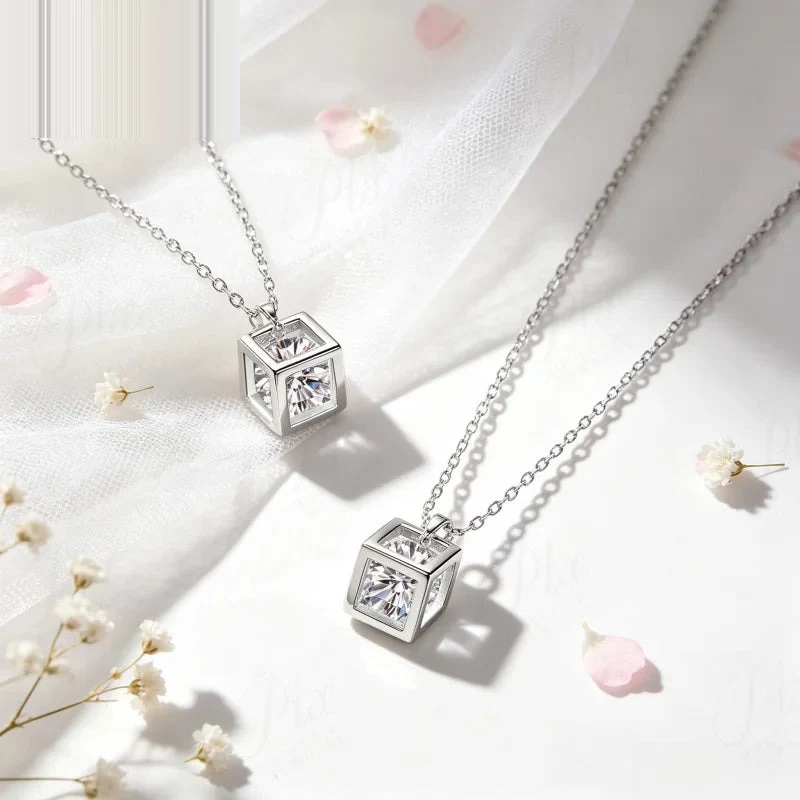
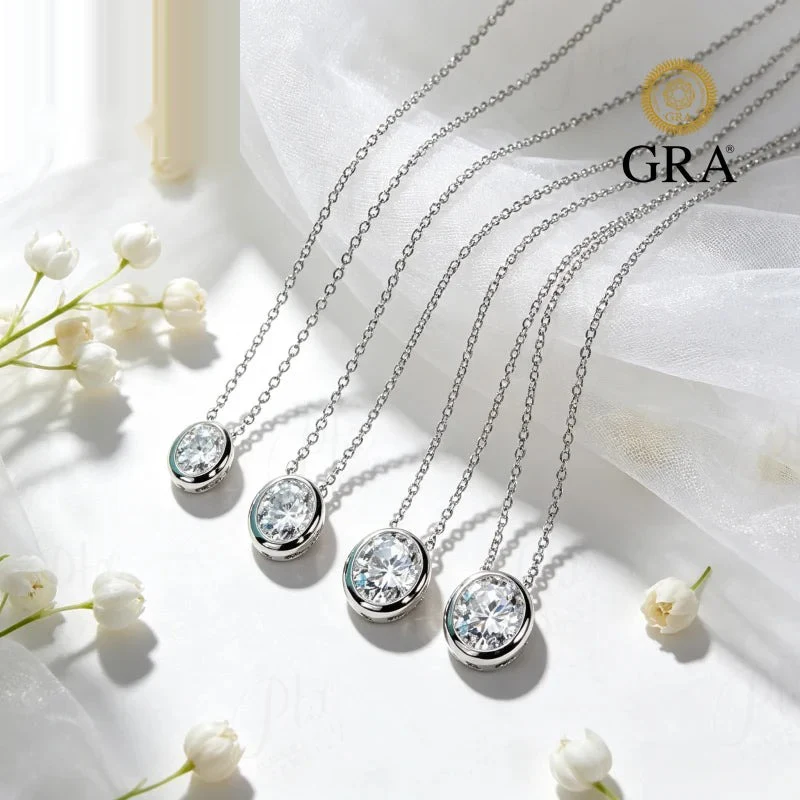
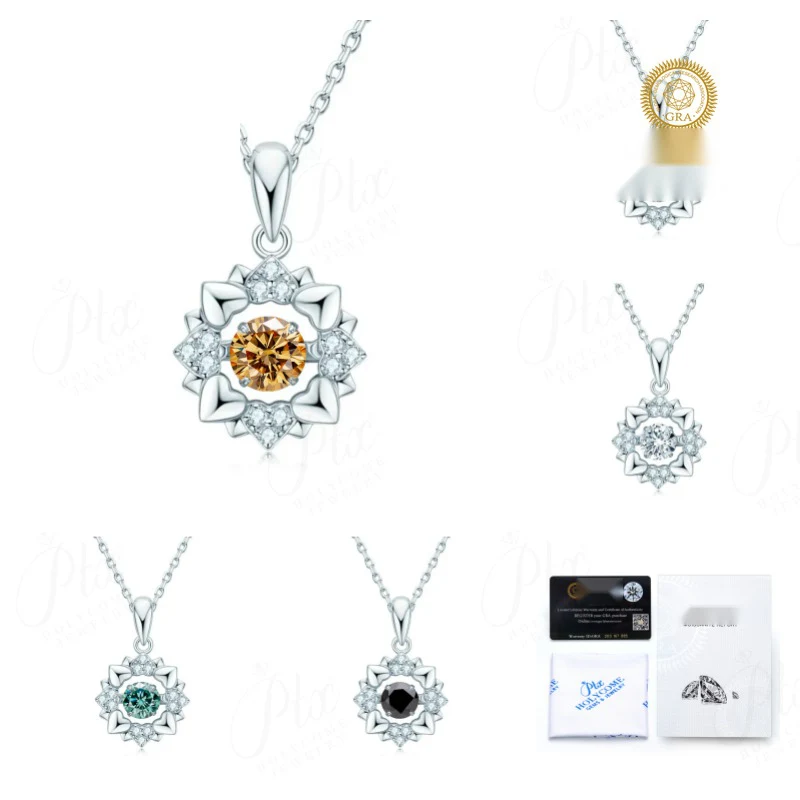
Wholesale Moissanite Jewelry: Incoming QC & Pre-Ship Inspection

Why Quality Control Defines Your Moissanite Jewelry Program
Moissanite Jewelry succeeds at wholesale when quality control is treated as a system rather than a final checkbox, and that system runs across three defined stages: incoming inspection, in-process checks, and a pre-ship AQL inspection. For a US wholesale buyer, the difference between a supplier with a documented three-stage process and one that only inspects before packing shows up directly in your return rates, customer complaints, and re-order costs.
This article walks through the practical decisions you face at each stage, what you should verify before placing an order, and how our QC structure applies to moissanite pieces set in 925 sterling silver, gold vermeil, or 10K/14K/18K solid gold.
The Three-Stage QC Structure Explained
Our quality control follows a three-stage model: incoming inspection, in-process inspection, and pre-ship AQL inspection. Each stage catches a different category of defect, and skipping any one of them shifts the cost of failures onto the next stage or, worse, onto your warehouse.
Stage One: Incoming Inspection of Stones and Metals
Incoming inspection happens before a single stone is set. Loose moissanite arrives graded, with GRA or IGI papers accompanying graded stones, and each lot is checked against those documents for carat weight, color grade, and clarity characteristics. Metal components receive their own checks: 925 sterling silver is verified for silver content, and solid gold components in 10K, 14K, or 18K are confirmed against their stamped karat.
If a plating batch for gold vermeil or gold plated fails thickness or adhesion checks at this stage, the lot is rejected before it ever reaches the setting bench. For you as a buyer, the practical takeaway is to ask which documentation travels with your order and whether stone papers can be supplied per carat for loose stone purchases.
Stage Two: In-Process Checks During Production
In-process inspection covers the manufacturing steps between incoming approval and final assembly. For Moissanite Jewelry, that typically means checking prong alignment and stone seating after setting, verifying plating thickness mid-run on vermeil and plated lines, and confirming solder joint integrity on chains and clasps. Catching a mis-set stone at this stage costs a re-seat; catching it at pre-ship inspection costs a piece; catching it after delivery costs a return, a replacement, and your customer relationship.
When you evaluate a supplier, ask how defects found in-process are logged and whether the same defect pattern triggers a corrective action on the running batch.
Stage Three: Pre-Ship AQL Inspection
The final gate is a pre-ship inspection conducted to AQL standards, meaning a statistically defined sample from the finished lot is checked against acceptance criteria. This is the stage where your bulk order of 30 or more custom pieces, or any quantity of stock styles, is measured against a defined acceptable defect rate before the balance payment is due and goods ship. AQL inspection covers appearance, stone security, plating condition, stone papers, stamping accuracy, and packaging.
As a buyer you can specify your AQL level and critical defect definitions in the purchase order, which gives you contractual protection without needing to be on site for the inspection.
What Buyers Should Verify Before Approving a Sample
Sampling runs 7 to 10 days, and this is where most QC problems can be prevented. A sample order, payable by PayPal, is your opportunity to define what acceptable means in writing for your specific Moissanite Jewelry program.
Check the Stone Documentation First
Moissanite is a lab-created diamond alternative, not a natural diamond, and honest grading documentation reflects that. Graded stones come with GRA or IGI papers, and your sample should include the matching paper for the set stone. Compare the paper details against the physical stone: carat weight, color grade, and cut description.
If your program relies on loose stones sold by the carat, ask whether papers accompany every carat lot or only selected grades, and document that requirement in the purchase order so pre-ship inspection can verify it.
Confirm Metal Descriptions Match the Actual Product
Metal misdescription is the most damaging error a jewelry supplier can make. Plated and vermeil pieces must be described as gold plated or gold vermeil, never as solid gold, while genuine solid gold pieces carry 10K, 14K, or 18K markings. During sampling, check the stamp on each piece and ask for the metal specification sheet.
Your product listings, your compliance exposure, and your customer trust all depend on the metal name being accurate on the invoice, the packaging, and the listing copy.
Define Critical Defects in Writing
AQL inspection only works if the defect definitions are agreed before production. Write down which issues count as critical: loose or missing stones, visible scratches on the metal, plating discoloration, incorrect stamps, or missing stone papers. Include photographic examples in your purchase order or reference the approved sample as the standard. When the pre-ship AQL inspection runs, the inspector measures the batch against your definitions rather than the factory's defaults, which materially changes what gets accepted.
How Payment Terms Tie Into Inspection Rights
Our standard payment structure for bulk orders is T/T with a 30 percent deposit and the 70 percent balance before shipment. That structure gives the buyer a natural decision point: the balance is released only after you are satisfied with the pre-ship AQL inspection results.
Practical options include requesting the full inspection report with photos of any defective units before wiring the balance, hiring a third-party inspector to witness the AQL check on larger orders, or reserving the right to a re-inspection if the first one fails. For sample orders, PayPal keeps the transaction simple and low risk while you establish the quality baseline. Whichever route you choose, put the inspection condition in the purchase order so the payment trigger is explicit rather than assumed.
Pricing, Quantity, and Inspection Scope
Pricing is quoted per piece or per carat depending on the item, and the inspection scope should scale accordingly. Stock styles carry a 1 piece minimum order, which makes sampling and first-article checks inexpensive, while custom work starts at 30 pieces and justifies a fuller AQL sampling plan. The table below summarizes how the QC stages align with common buyer decisions.
| QC Stage | What Is Checked | Buyer Decision Supported |
|---|---|---|
| Incoming inspection | Stone grading, carat weight, metal content | Accept or reject raw lots |
| In-process checks | Stone setting, plating thickness, solder joints | Approve production continuation |
| Pre-ship AQL inspection | Finished goods against AQL criteria | Release balance and ship |
Use this table when briefing your own team: each row corresponds to a go or no-go decision you can enforce contractually. Buyers ordering loose stones by the carat should focus on the incoming row, while buyers of finished Moissanite Jewelry in 925 sterling silver, gold vermeil, or solid gold should weight their attention toward the pre-ship row.
Shipping and Delivery After Inspection Clears
Once the pre-ship AQL inspection passes and the balance is settled, DDP delivery to the US takes 5 to 8 days. DDP means duties and shipping are handled through the quoted price, so your landed cost is known upfront and there are no surprise brokerage fees when the carton arrives.
Practical steps at this stage include confirming the carton markings and packaging counts against your purchase order before shipment, and keeping the inspection report on file so any claim raised after receipt can be compared against the documented pre-ship condition. Store the GRA or IGI papers with your receiving records as well, since they support both your resale documentation and any future grading questions from your own retail customers.
Order Terms for Wholesale Buyers
MOQ is 1 piece for stock styles and 30 pieces for custom work, and loose stones are sold by the carat. Sampling takes 7 to 10 days, and bulk production runs 15 to 25 days after the sample is approved. Pricing is quoted per piece or per carat depending on the item. Payment is T/T with a 30% deposit and the 70% balance before shipment, and PayPal is accepted for sample orders.
Frequently Asked Questions
Can I request inspection reports before paying the 70 percent balance?
Yes. The balance is due before shipment, so the natural sequence is pre-ship AQL inspection, report and photo documentation, then payment. Agree on this sequence in the purchase order so the factory schedules inspection time accordingly.
Do loose moissanite stones come with grading papers?
Graded stones are supplied with GRA or IGI papers. Loose stones are sold by the carat, and you should specify in the order whether you require papers for every stone or for specific grades within your lot.
How does the 30 piece minimum affect custom order inspection?
Custom work starts at 30 pieces, which is enough quantity for a meaningful AQL sample. Stock styles with a 1 piece minimum are inspected as single pieces against the same critical defect definitions you set during sampling.
What happens if the pre-ship inspection finds defects?
Defective units found during AQL inspection are pulled from the shipment, and depending on the defect rate, the batch is reworked and re-inspected or the affected pieces are replaced. The inspection report documents what was found and what corrective action was taken.
Is moissanite the same as a diamond?
No. Moissanite is a lab-created diamond alternative with its own optical properties, and it should be marketed as such in your listings. Graded stones carry GRA or IGI papers that document the moissanite specification.
Build Your Moissanite Jewelry Program on Verified Quality
A documented three-stage QC process, from incoming inspection of graded stones and verified metals through a pre-ship AQL inspection tied to your balance payment, turns quality from a hope into a manageable, contract-based system. Browse our current catalog and stock styles on the moissanite products collection page, read further buying guidance in the wholesale jewelry blog, and start a sampling conversation with our team through the contact page to define your inspection standards before your first bulk order ships.
Sources: Grading references: GIA gem education and GIA laboratory information.