Wholesale Moissanite Jewelry: Plating Thickness & Tarnish Care

Moissanite Jewelry and the Plating Question: What Wholesale Buyers Need to Know
Moissanite jewelry is one of the fastest-moving categories in US wholesale, but for many buyers the real pain point is not the stone — it is the plating. Tarnish complaints, color changes, and dull finishes drive returns and hurt reorder rates, especially on 925 sterling silver pieces with a gold plating layer.
This article explains how plating thickness, base metal choice, and realistic care instructions affect the long-term performance of Moissanite Jewelry, and how to build a product line that holds up after the sale.
Moissanite itself is a lab-created diamond alternative grown in controlled conditions. It is hard, refractive, and stable, so in nearly every case the stone outlasts the finish around it. That means the plating decision is where wholesale buyers either protect their margin or create service headaches. The sections below walk through base metal options, plating types, care labeling, and how sampling can verify quality before bulk production.
Why Plated Moissanite Jewelry Tarnishes: The Mechanics
Tarnish on plated jewelry is rarely the plating itself. It happens when the thin outer layer wears through or has microscopic pores, exposing the base metal underneath to air, moisture, and skin chemistry. On 925 sterling silver, the exposed metal oxidizes and darkens. On gold plated pieces, the worn patches show as dull, brassy, or greenish spots.
Several factors accelerate the process:
- Sweat, chlorine, salt water, and household chemicals
- Friction from daily wear, especially on rings and bracelet edges
- Humidity in storage and transit
- Poor pre-plating surface preparation, such as polishing residue or fingerprints sealed under the plating
Because Moissanite Jewelry is often positioned as an everyday diamond alternative, customers wear it in the shower, at the gym, and while cleaning. Wholesale buyers should plan for that reality rather than assuming careful end users.
Choosing the Base Metal Before You Choose the Plating
The base metal determines how forgiving the piece is once plating wears. This is the single most important decision a wholesale buyer makes on this angle.
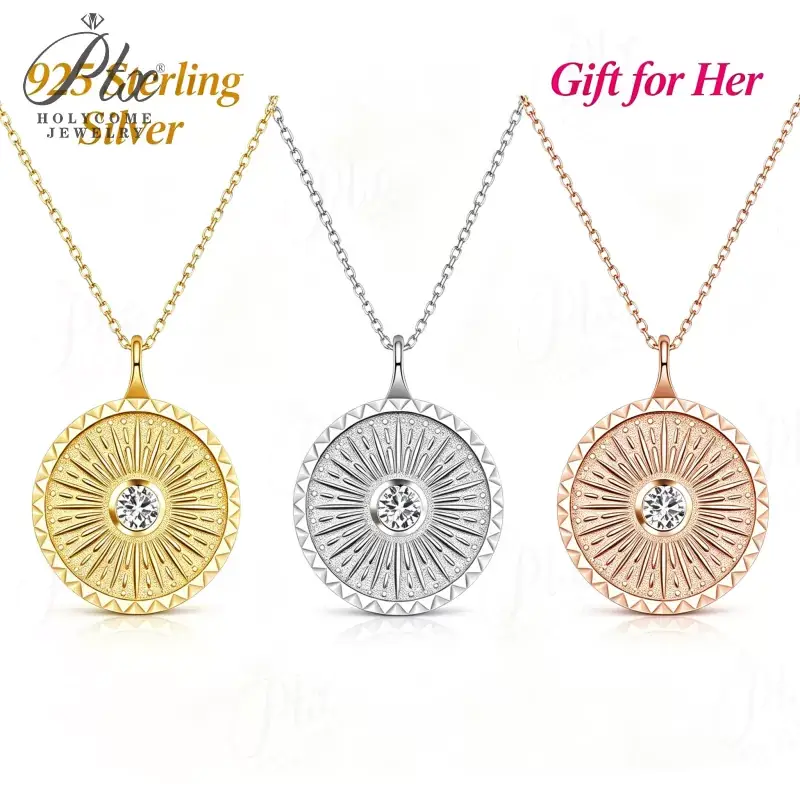
925 Sterling Silver with Gold Plating
This is the most common and most price-competitive build for Moissanite Jewelry. Sterling silver is a true precious metal, which is a selling point, but it tarnishes on its own and shows wear faster under thin plating. For this build, plating quality matters most. Ask suppliers for e-coating (a clear protective sealant) over the plating, and confirm the plating is applied after final polish, not before stone setting, so scratches are not sealed in.
Gold Vermeil
Gold vermeil means a thicker gold layer over 925 sterling silver. The thicker gold deposit slows color change noticeably compared with standard plating. It costs more per piece, so it fits better for mid-tier lines where the price point supports it. Vermeil is not solid gold — your product copy must name it as gold vermeil, not solid gold.
10K, 14K, and 18K Solid Gold
Solid gold in 10K, 14K, or 18K eliminates the tarnish-from-exposure problem almost entirely, because there is no plated layer to wear through. Lower karats such as 10K are harder and more scratch-resistant; 18K has a richer color but is softer. For a wholesale program, solid gold with moissanite is the premium tier that removes plating-related returns from the conversation.
Plating Options Compared at a Glance
The table below summarizes the common builds for Moissanite Jewelry and how they behave over time. Use it when briefing your supplier on which tier gets which finish.
| Build | Base metal | Tarnish resistance | Best fit |
|---|---|---|---|
| Gold plated | 925 sterling silver | Lower; needs care labeling | Entry price tier |
| Gold vermeil | 925 sterling silver | Stronger; slower wear | Mid-tier lines |
| 10K or 14K gold | Solid gold | High; no plated layer | Core premium tier |
| 18K gold | Solid gold | High; richer color, softer | High-end programs |
Whatever build you select, request written confirmation of the exact construction on your purchase order: metal type, plating type, and whether e-coating is included. This protects you if a production run differs from the approved sample.
Verifying Plating Quality Through Sampling
Sampling is where you catch plating problems before they reach customers. Standard sampling runs 7 to 10 days, and bulk production takes 15 to 25 days after approval, so the sample round is your one chance to test finishes cheaply.
Tests to Run on Your Sample Pieces
- Wear test: have one team member wear the piece daily for two weeks and log any color change
- Sweat and humidity test: store samples in a sealed bag in a warm bathroom and check weekly
- Friction check: rub the highest-contact zones (inner ring band, bracelet clasps) with a soft cloth and inspect for color transfer
- Stone security: confirm prongs and settings hold the moissanite firmly after handling
If a sample shows wear within two weeks, the plating process or thickness is likely too light for the price tier you are targeting. Ask for a thicker deposit or an e-coat before approving bulk production.
What to Confirm in Writing Before Bulk Production
Put these items on the approval sheet: base metal specified exactly (925 sterling silver, gold vermeil, or 10K/14K/18K solid gold), plating color (yellow, white, or rose), whether e-coating is applied, and packaging that includes anti-tarnish protection. Vague approvals are the leading cause of disputes on plated orders.
Care Instructions That Reduce Returns
Most tarnish complaints are preventable with clear end-user guidance. Wholesale buyers who supply retailers should also provide care copy the retailer can pass on. Practical instructions include:
- Remove plated pieces before showering, swimming, and cleaning
- Apply perfume, lotion, and hairspray before putting jewelry on
- Wipe with a soft, dry cloth after wear and store in a sealed pouch
- Keep pieces away from humid bathrooms and direct sunlight in storage
On solid gold builds, the care story shifts to scratch management and general cleaning rather than tarnish prevention. Write different care copy for each tier so retailers and consumers know what to expect. Honest expectations are cheaper than refunds.
Quality Control and Logistics for Plated Orders
Because plating is the vulnerable layer, your QC checkpoints should be specific. A professional supplier runs three-stage inspection: incoming material checks, in-process checks during setting and plating, and a pre-ship AQL inspection before packing. Ask which stage covers plating adhesion and color consistency, and request photos from the pre-ship AQL inspection of a cross-section of cartons, not just hero pieces.
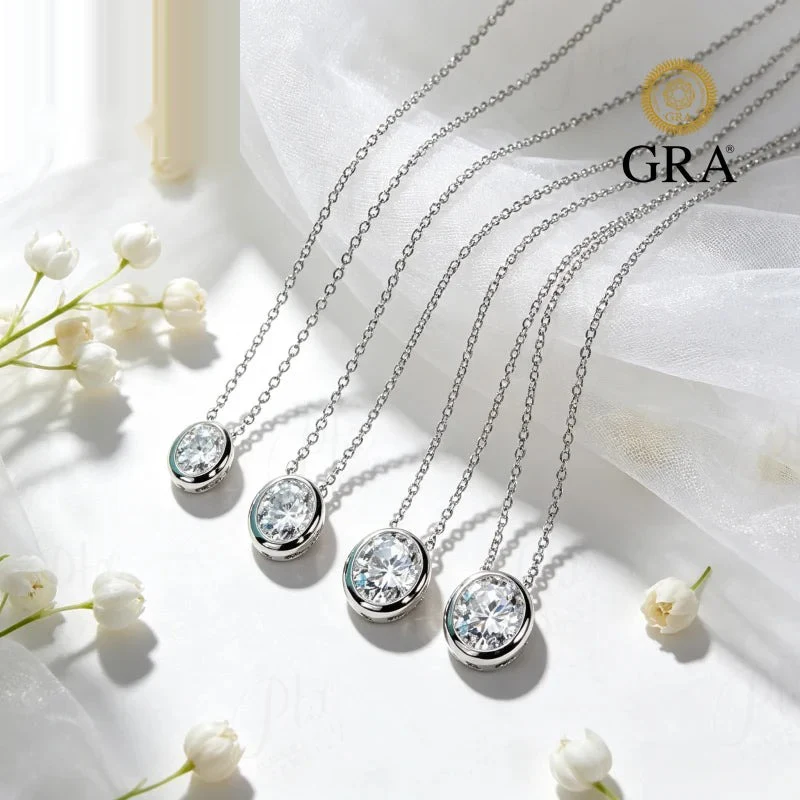
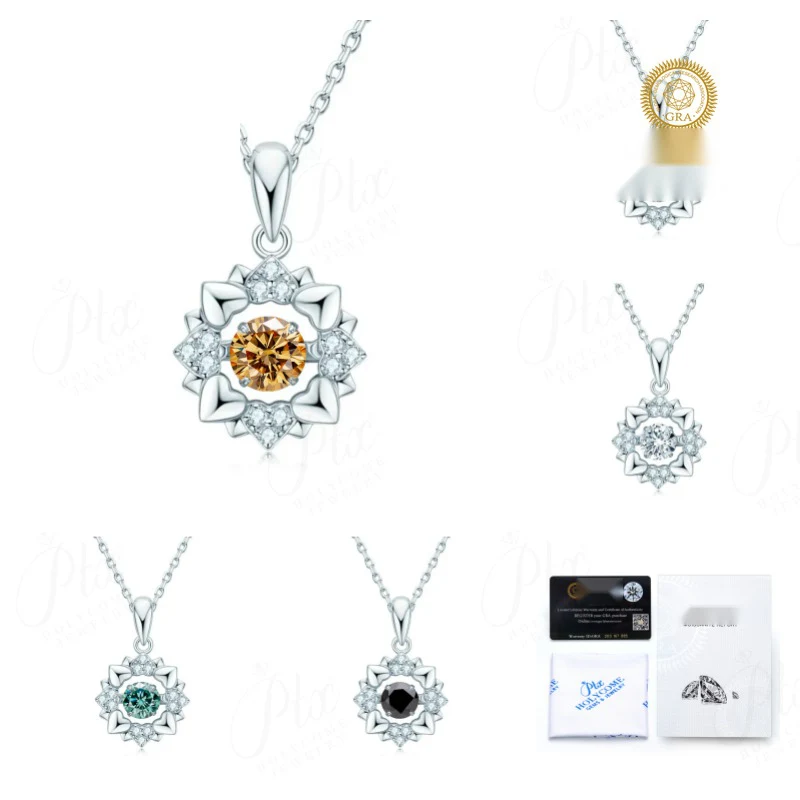
On the stone side, graded moissanite arrives with GRA or IGI papers, which verify the lab-created stone and give retailers documentation to show their customers. Confirm whether papers are included per piece or per lot before ordering.
For US-bound shipments, DDP delivery typically takes 5 to 8 days door to door. Order timing matters on plated goods: extreme heat or humidity in transit can affect packaging, so request anti-tarnish strips or sealed poly bags inside cartons. Standard payment terms are T/T with a 30 percent deposit and the 70 percent balance before shipment; PayPal is available for sample orders, which keeps the trial phase low risk.
Building a Tiered Line That Handles Tarnish Sensibly
The smartest wholesale approach is not to fight tarnish on the cheapest tier — it is to segment the line honestly. A practical structure looks like this:
- Entry tier: gold plated 925 sterling silver with e-coating, sold with clear care instructions, positioned for trend and seasonal styles
- Mid tier: gold vermeil over 925 sterling silver, offering slower wear for customers who want more longevity
- Premium tier: 10K, 14K, or 18K solid gold with moissanite, where plating complaints disappear from the equation
Pricing across tiers is quoted per piece for finished items and per carat for loose moissanite stones, so you can model margin per tier before committing. Minimum order quantities are 1 piece for stock styles, which makes it easy to sample each tier side by side, and 30 pieces for custom work. Loose stones are sold by the carat for buyers building custom settings.
This structure lets retailers match the product to the customer instead of over-promising on plated pieces or over-investing in solid gold for trend styles that have short selling windows.
Frequently Asked Questions
Does gold plated moissanite jewelry tarnish?
It can, once the plated layer wears through and exposes the 925 sterling silver base. Wear speed depends on plating thickness, e-coating, and how the end user cares for the piece. Clear care instructions and an e-coat layer significantly reduce visible tarnish complaints.
Is gold vermeil better than standard gold plating for wholesale orders?
Vermeil uses a thicker gold deposit over 925 sterling silver, so it holds its color longer than standard plating. It costs more per piece, so it suits mid-tier pricing. It is still not solid gold, so product listings must name it as vermeil.
What MOQ applies if I want to test plated and solid gold builds?
Stock styles can be ordered at 1 piece per style, so you can compare a gold plated ring against a 14K gold ring side by side. Custom work starts at 30 pieces per design. Loose stones are quoted and sold by the carat.
How do I know the moissanite stones are genuine?
Graded stones come with GRA or IGI papers documenting the lab-created stone. Confirm with your supplier whether papers accompany each piece or each lot. Retailers can use these documents with their own customers as proof of what the stone is.
What payment terms apply to a first plated bulk order?
Bulk orders run on T/T with a 30 percent deposit and the 70 percent balance before shipment. Sample orders can be paid via PayPal, keeping your testing phase low commitment. DDP shipping to the US takes about 5 to 8 days.
Start Your Moissanite Program With the Right Build
Plating tarnish is a solvable problem when you match the construction to the price tier, verify finishes during sampling, and ship with honest care instructions. Browse the catalog at our moissanite jewelry wholesale collection to compare gold plated, vermeil, and solid gold builds side by side, read more sourcing guidance on our jewelry wholesale blog, or request a quote and sample batch to test plating quality before your first bulk order.
Sampling takes 7 to 10 days, so a small test now can prevent returns later.
Order Terms for Wholesale Buyers
MOQ is 1 piece for stock styles and 30 pieces for custom work, and loose stones are sold by the carat. Sampling takes 7 to 10 days, and bulk production runs 15 to 25 days after the sample is approved. Pricing is quoted per piece or per carat depending on the item. Payment is T/T with a 30% deposit and the 70% balance before shipment, and PayPal is accepted for sample orders.
Sources: Grading references: GIA gem education and GIA laboratory information.