Wholesale Moissanite Jewelry: MOQ, Sample Order & Bulk Pricing

Moissanite Jewelry Wholesale: Planning Your MOQ and Sample Orders Step by Step
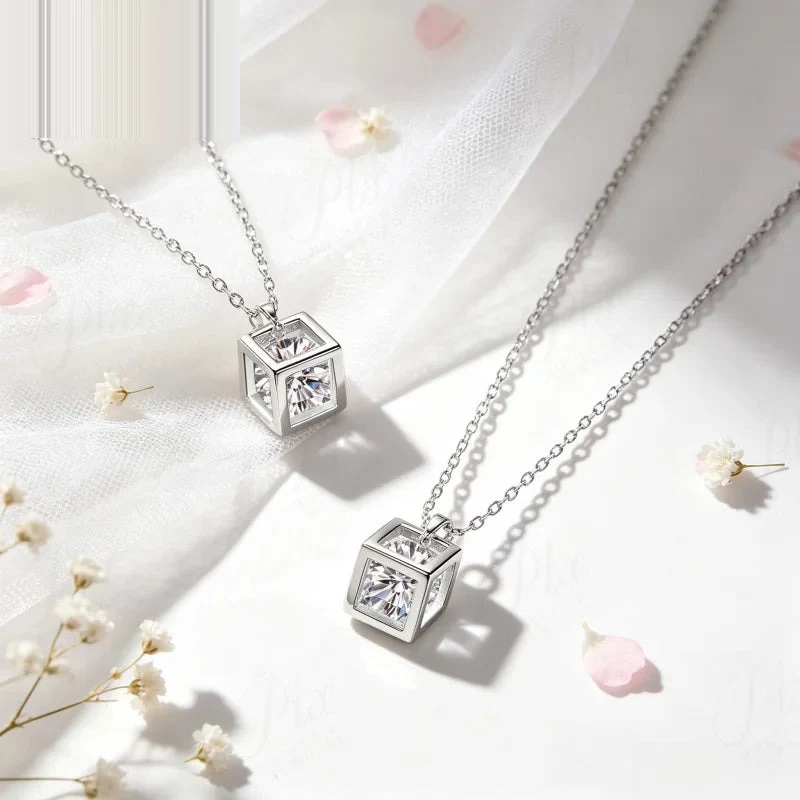
Moissanite Jewelry is one of the most approachable categories for wholesale buyers because the minimum order quantities are modest: stock styles carry an MOQ of 1 piece, custom work starts at 30 pieces, and loose stones are sold by the carat. That flexibility is only useful if you plan the buying sequence correctly, because a poorly ordered sample round can push your bulk production back by weeks.
This article lays out the practical decisions a wholesale buyer faces on MOQ and sample planning, with concrete timelines, payment stages, and inspection checkpoints you can put straight into your purchasing calendar.
Moissanite itself is a lab-created gemstone and a diamond alternative, prized for its brilliance and hardness. In a B2B context, that matters for how you position the product: you can market fire, sparkle, and value, but the stone should be described accurately as lab-created rather than presented as a natural diamond. Clear product descriptions protect your store reviews and reduce returns, and they start with the specifications you lock in during the sampling stage.
Why MOQ Structure Shapes Your Entire Buying Plan
The two-tier MOQ structure gives you two very different buying paths. Stock styles at 1 piece per order let you test demand with minimal capital. Custom work at 30 pieces per style requires a larger commitment but gives you control over design, metal, stone size, and branding. Most successful buyers run these paths in sequence rather than choosing one: they test with stock, then graduate to custom once they know which designs sell.
Because pricing is quoted per piece or per carat depending on the item, your unit economics change depending on the path. Finished pieces are straightforward: the per-piece quote is your landed cost basis before shipping. Loose stones priced by the carat require you to add setting labor and metal costs, which is why buyers who purchase loose stones usually do so alongside a setting agreement rather than as a standalone order.
The One-Piece Test Order
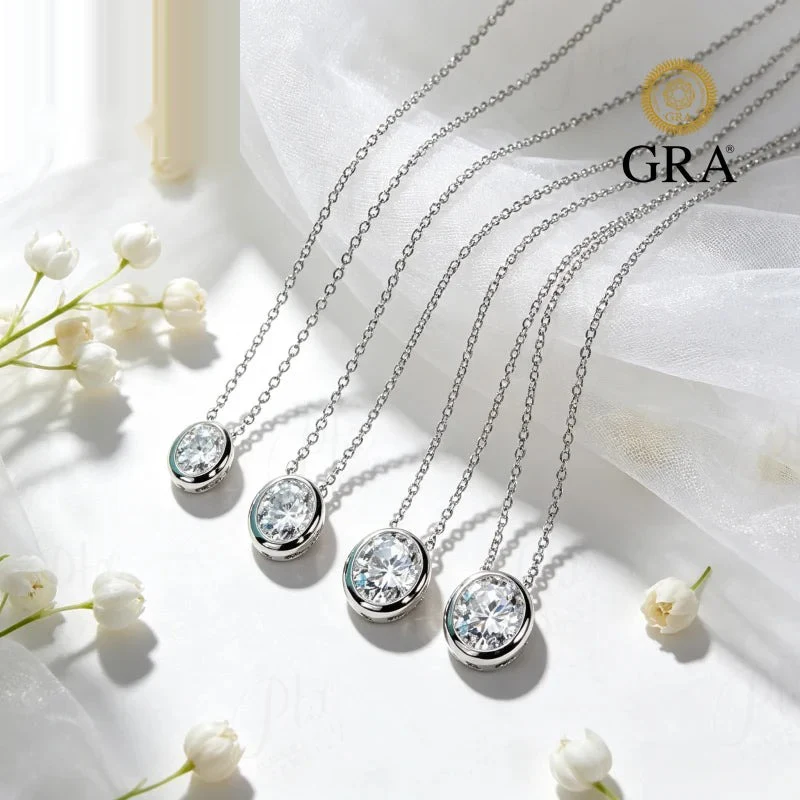
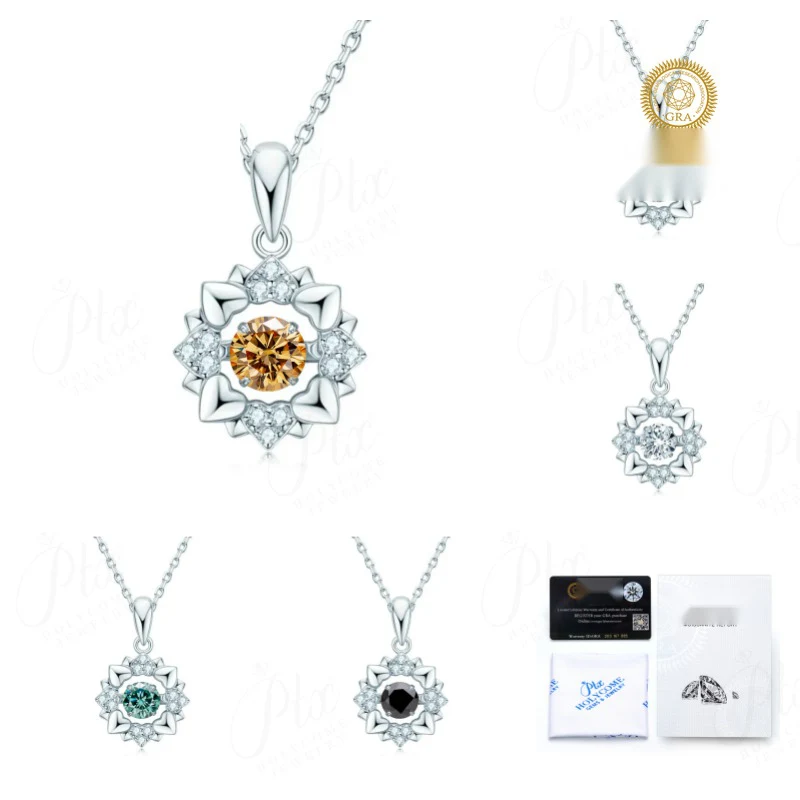
A single-piece order of a stock style is the cheapest way to answer three questions. First, does the stone match the grading documentation that accompanies it? Graded stones ship with GRA or IGI papers, and matching the certificate to the stone is a habit worth building from your very first order. Second, does the metal match what you specified, whether that is 925 sterling silver, 10K, 14K, or 18K solid gold, gold vermeil, or gold plated?
Third, does the piece photograph well under your store lighting so your listings can go live quickly?
Treat the one-piece order as a data-gathering exercise, not a sale. Photograph the piece from every angle, weigh it, measure the stone, and note the packaging condition on arrival. Those notes become your benchmark when the bulk order arrives, because bulk production should match the approved sample.
The 30-Piece Custom Threshold
Custom production at 30 pieces per style changes the conversation with your supplier. At this volume you can request modifications to setting style, band width, stone carat weight, and finishing. The tradeoff is lead time and cash commitment. Before you issue a custom request, write down your full specification: metal type, stone size, setting style, and any engraving or branding.
Ambiguity at this stage is the most common cause of rework, and rework at bulk volume costs time you may not have.
If you plan two custom designs, remember the MOQ applies per style, so your commitment is 60 pieces across the two. Buyers scaling a collection should stagger custom releases rather than launching all designs at once, which spreads risk across the season and keeps production slots manageable on the supplier side.
Sample Orders: The 7 to 10 Day Window
Sampling takes 7 to 10 days from order confirmation. That window is short, but it is where the quality of your entire program is decided. Payment for sample orders is handled through PayPal, which keeps low-value transactions simple and gives both sides a clean record of what was ordered.
What to Verify on Every Sample
- Certificate match: check that the GRA or IGI paper number corresponds to the stone in the piece.
- Metal verification: confirm stamps and specifications match your request, whether sterling silver or solid gold.
- Stone setting: examine prong tension, pavework, and edge finishing under magnification.
- Wear testing: wear the sample for several days to catch issues a bench inspection misses.
- Packaging review: assess whether retail packaging meets your unboxing standard before bulk.
Do not rush this list. The 7 to 10 day production window is fixed, but your review time is yours to control. A buyer who spends an extra three days testing a sample loses little; a buyer who skips wear testing and approves a weak clasp design carries that defect through 30 or more pieces.
Using Stock Samples as Custom References
If custom work is your goal, order two or three stock samples that sit closest to your target design. Sending a physical reference alongside your written specification shortens the quotation conversation and reduces misinterpretation. Suppliers can quote stone size, metal, and setting complexity against a real piece far more accurately than against a sketch or description alone.
This approach also gives you a cost anchor. When the custom quote comes back, you can compare it against the stock piece price and see exactly what the modifications add. If the difference feels large, you can adjust the specification before committing the 30-piece MOQ rather than negotiating after the deposit is paid.
Bulk Production Timeline and Deposit Structure
Once you approve the sample, bulk production runs 15 to 25 days. Add the sampling window and your total lead time from first contact to goods ready is roughly 22 to 35 days. Buyers stocking for holidays or gifting seasons should work backward from their launch date and add a buffer for shipping and receiving.
Payment on bulk orders follows a two-stage structure: T/T with a 30 percent deposit to begin production and the 70 percent balance before shipment. On a custom order, that means your deposit is committed against the approved specification, and the balance is due when goods are finished and inspected. Plan working capital so the balance payment and freight costs do not arrive in the same week as your other inventory purchases.
Before paying the deposit, confirm the pre-shipment inspection schedule so you know when the goods will be ready and when the balance will be requested. Buyers who align their finance calendar with the production calendar avoid the most common bottleneck, which is a finished order waiting on payment clearance.
Quality Control: The Three-Stage Inspection System
Quality control runs across three stages: incoming inspection of materials and stones, in-process checks during production, and a pre-ship AQL inspection before goods leave the factory. For a wholesale buyer, the practical takeaway is that quality is checked at defined points rather than only at the end, which reduces the chance that a defect discovered at pre-ship forces a full restart.
Your role in the three-stage system is to feed it accurate specifications. The incoming inspection can only check stones and metal against the standards you defined, so a precise purchase order is itself a quality tool. Keep a copy of your approved sample specification with the purchase order, and reference it in any correspondence about the bulk run.
The pre-ship AQL inspection is the checkpoint most relevant to your payment timing, since it happens before the 70 percent balance is due. Ask when the pre-ship inspection is scheduled relative to production completion, and plan your balance payment around that date rather than the raw production end date.
Comparing Your Buying Paths Side by Side
The table below summarizes the two main buying paths so you can match your capital and timeline to the right entry point. Review it before each seasonal buy and adjust the quantities to your sales history.
| Buying path | MOQ | Sampling time | Bulk time | Best suited for |
|---|---|---|---|---|
| Stock styles | 1 piece | 7 to 10 days | 15 to 25 days | Testing demand quickly |
| Custom work | 30 pieces per style | 7 to 10 days | 15 to 25 days | Building a branded line |
| Loose stones | Sold by carat | 7 to 10 days | 15 to 25 days | Setting to your own specs |
Note that sampling time applies to all three paths in the same 7 to 10 day window, so the path you choose affects your MOQ commitment and cost structure more than your calendar. What changes the calendar most is how many revision rounds you run between sample approval and bulk release.
Shipping and Delivery Planning for US Buyers
Delivery to the United States runs on DDP terms and takes 5 to 8 days after shipment. DDP means the shipping cost and import handling are settled on the sender side, so your landed cost calculation stays simple and there are no surprise charges at the border. Build those 5 to 8 days into your launch calendar after the balance payment clears.
Stacking the full timeline gives you a reliable planning model: 7 to 10 days of sampling, 15 to 25 days of bulk production, and 5 to 8 days of DDP shipping to the US. A buyer who starts the conversation eight weeks before a seasonal launch has room for one revision round; a buyer who starts four weeks out does not. Starting early is the single most effective scheduling decision available to you.
Order Terms for Wholesale Buyers
MOQ is 1 piece for stock styles and 30 pieces for custom work, and loose stones are sold by the carat. Sampling takes 7 to 10 days, and bulk production runs 15 to 25 days after the sample is approved. Pricing is quoted per piece or per carat depending on the item. Payment is T/T with a 30% deposit and the 70% balance before shipment, and PayPal is accepted for sample orders.
Frequently Asked Questions
Can I order a single Moissanite piece before committing to bulk?
Yes. Stock styles carry an MOQ of 1 piece, so you can evaluate quality, certificates, and photography before any volume commitment. Only custom work carries the 30-piece minimum per style.
How long does a sample order take?
Sample production takes 7 to 10 days. Sample orders are paid through PayPal, and the sample you approve becomes the reference standard for your bulk run.
What payment terms apply to bulk orders?
Bulk orders use T/T with a 30 percent deposit to start production and the 70 percent balance due before shipment. The pre-ship AQL inspection takes place before that balance payment, giving you a defined checkpoint.
How do I verify the stones I receive?
Graded stones ship with GRA or IGI papers. Match the certificate number to the stone on arrival and keep the paperwork with your purchase records for each batch.
How quickly do goods reach the United States?
Shipments to the US move on DDP terms and take 5 to 8 days in transit. DDP keeps import costs settled on the shipping side so your receiving process stays predictable.
Start Your Moissanite Program With a Low-Risk Sample Round
The MOQ structure in this category is built for staged buying: test a stock piece, refine your specification against a physical sample, then commit the 30-piece custom run with a clear timeline and a defined inspection checkpoint. Browse the current catalog on the moissanite products page to shortlist stock styles for your first order, read more buying guides on the wholesale jewelry blog, and request samples or a custom quotation through the supplier contact page to lock your production slot.
Sources: Grading references: GIA gem education and GIA laboratory information.