Moissanite Jewelry Wholesale: sizing & durability
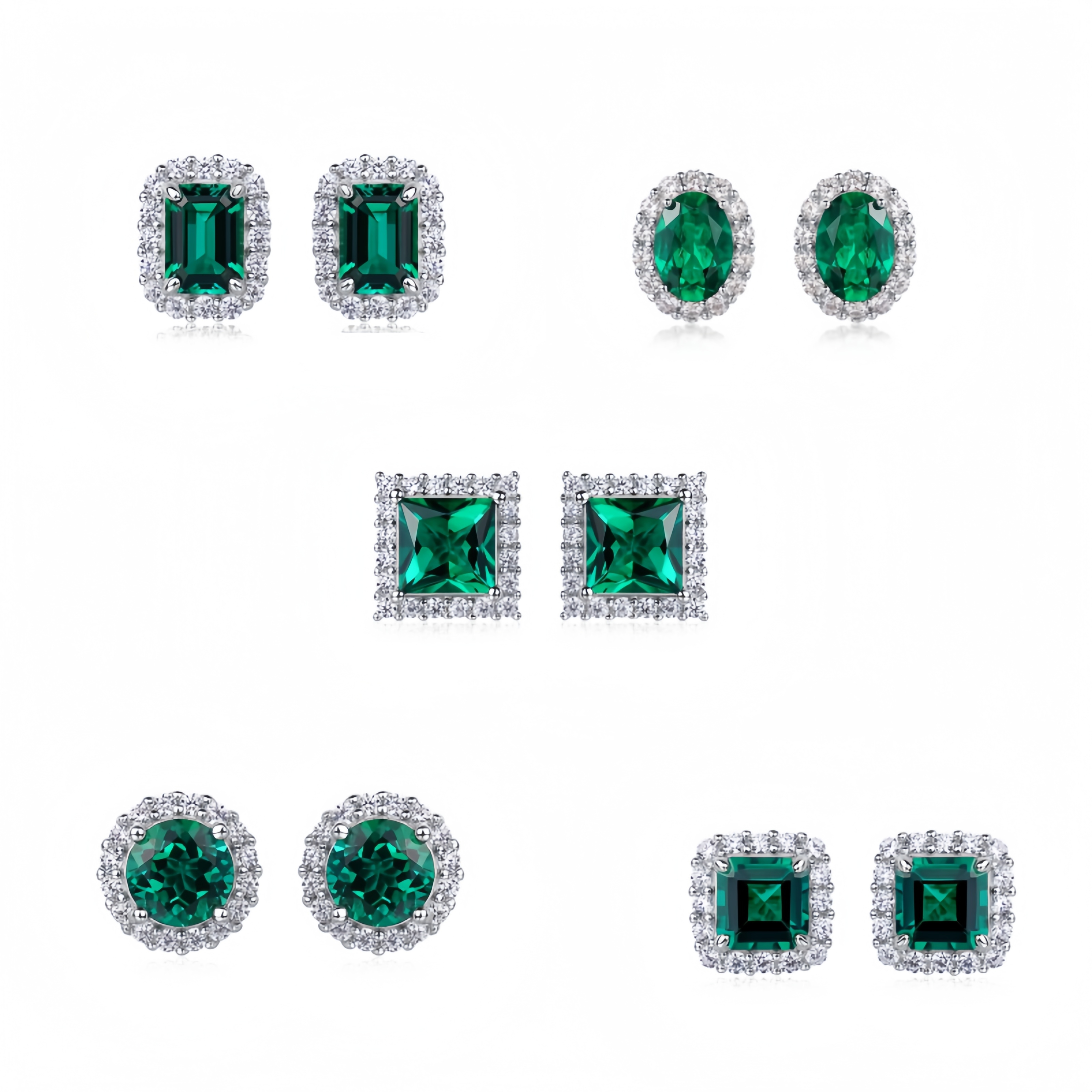
Moissanite Jewelry for Wholesale Buyers: Sizing, Setting, and Durability Decisions
Moissanite jewelry gives wholesale buyers a lab-created diamond alternative that delivers strong brilliance at a price point their customers can accept, but success with this category depends on three practical decisions: getting ring sizing right for your market, choosing settings that protect the stone, and understanding how the material holds up under daily wear.
This guide walks through each decision with the specifics you need before placing a wholesale order, from band width tolerances to prong counts to metal selection for the setting itself.
Why Sizing Is the First Decision to Lock Down
Ring sizing affects more than customer satisfaction; it drives your inventory mix and returns rate. Before you confirm a production run, decide which size range you will stock and in what quantity distribution. Most US wholesalers split their buy across the core range of 5 through 9, with heavier allocation to 6, 7, and 8, and a smaller allocation to sizes 4, 4.5, 5.5, 9, and 10 at the edges.
Buying the full size curve evenly across 4 to 12 usually leaves you sitting on slow-moving extremes.
Half Sizes and Market Expectations
US customers expect half sizes in the middle of the curve. A 6.5 ring fits a meaningful share of buyers who fall between whole sizes, and skipping half sizes pushes those customers toward a resize or a return. When you order custom work with our 30-piece minimum per style, you can specify the exact size distribution rather than accepting a fixed ratio, which is one of the strongest arguments for custom production over stock styles.
Band Width Changes How a Size Fits
A wide band, roughly 6 millimeters or more, fits tighter than a narrow 2-millimeter band in the same marked size. If your moissanite jewelry line includes both thin stacking bands and wide solitaire-style bands, order the wide bands a half size up in your fit samples. Confirm this during the sampling stage, which takes 7 to 10 days, so the correction is baked into bulk production rather than discovered after shipment.
Choosing a Setting That Protects the Stone
Moissanite ranks high on the hardness scale at 9.25, just below diamond, so the stone itself resists scratching well in daily wear. The setting, not the stone, is usually the first point of failure in a wholesale line. Your setting choice determines both durability and how the stone's fire reads to the customer.
Four-Prong Versus Six-Prong Solitaires
Four-prong settings show more of the stone and let more light into the pavilion, which many buyers prefer for brilliance. Six-prong settings hold the stone more securely and spread wear across more contact points, which matters for rings that take daily impact. For a wholesale line, a common approach is four prongs on stones up to about 1 carat equivalent and six prongs on larger center stones where the extra metal is proportional.
Bezel, Halo, and Channel Settings
Bezel settings wrap the stone's edge in metal and are the most protective option, at the cost of slightly reduced light entry. Halo settings surround the center stone with smaller moissanite melee, adding visual size without a larger center stone cost. Channel settings set baguette or round stones into a metal groove with no exposed prongs, which suits customers who work with their hands.
Each of these has a place in a catalog; the decision is which fits your customer's wear habits.
Pavilion Depth and Culet Considerations
Moissanite is typically cut with slightly different proportions than diamond because of its different optical properties. A shallow culet area can sit flush in settings designed for diamond, but some moissanite cuts have a deeper pavilion that needs a seat with enough depth. Send your supplier the exact stone cut specifications when ordering settings separately, or order stone and setting together so the seat is matched.
Loose stones are sold by the carat, and matched setting seats avoid rattling stones or cracked girdles.
Metal Selection for the Setting
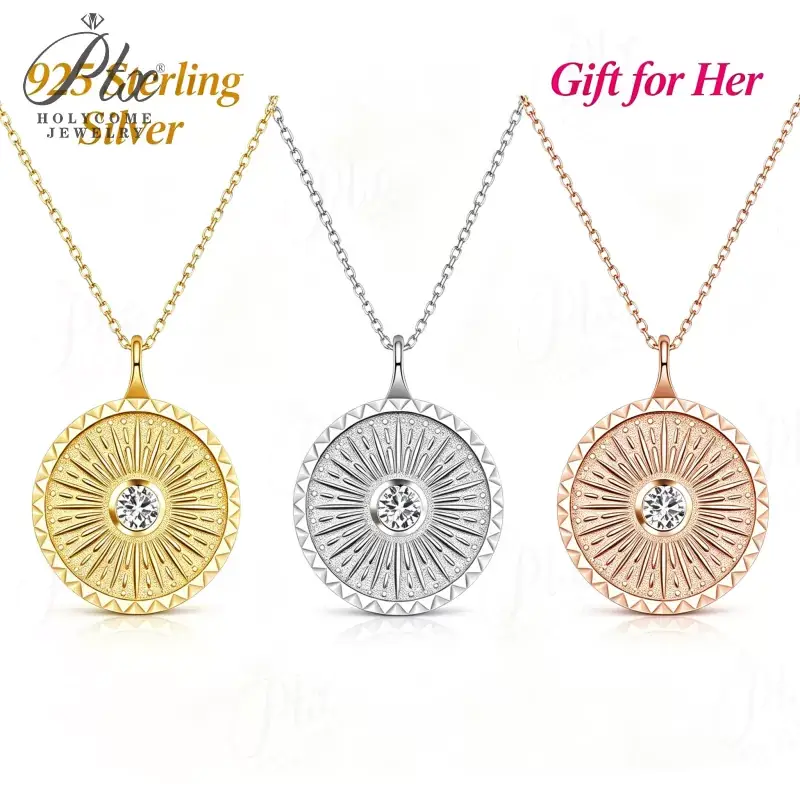
The metal you name on your purchase order must be named accurately on your product listings. Our moissanite jewelry is set in 925 sterling silver, 10K/14K/18K solid gold, gold vermeil, or gold plated brass. Each has a different durability and price profile.
Silver is the entry point for many wholesale lines and pairs well with rhodium plating for tarnish resistance. Solid gold in 10K and 14K offers the best durability-to-cost balance for rings that take daily wear; 18K is softer and richer in color. Gold vermeil is sterling silver with a thick gold overlay, a middle tier for price-conscious buyers. Gold plated finishes sit at the value end and suit fashion-oriented pieces.
Label each tier accurately in your catalog so your retail customers know what they are buying.
Durability Testing and Quality Control Before Shipment
Durability is verifiable before goods leave the factory. Our production runs through a three-stage QC process: incoming material inspection, in-process checks during setting and finishing, and a pre-ship AQL inspection on the packed order. For moissanite jewelry, the in-process stage catches loose prongs, seat mismatch, and plating thin spots, which are the defects most likely to generate returns later.
Stone Verification and Grading Papers
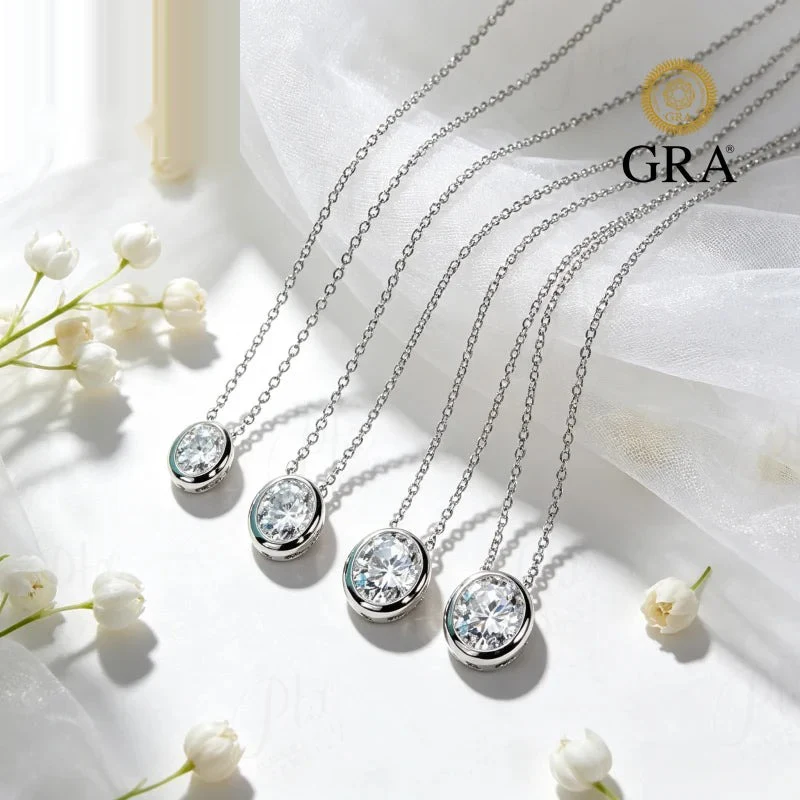
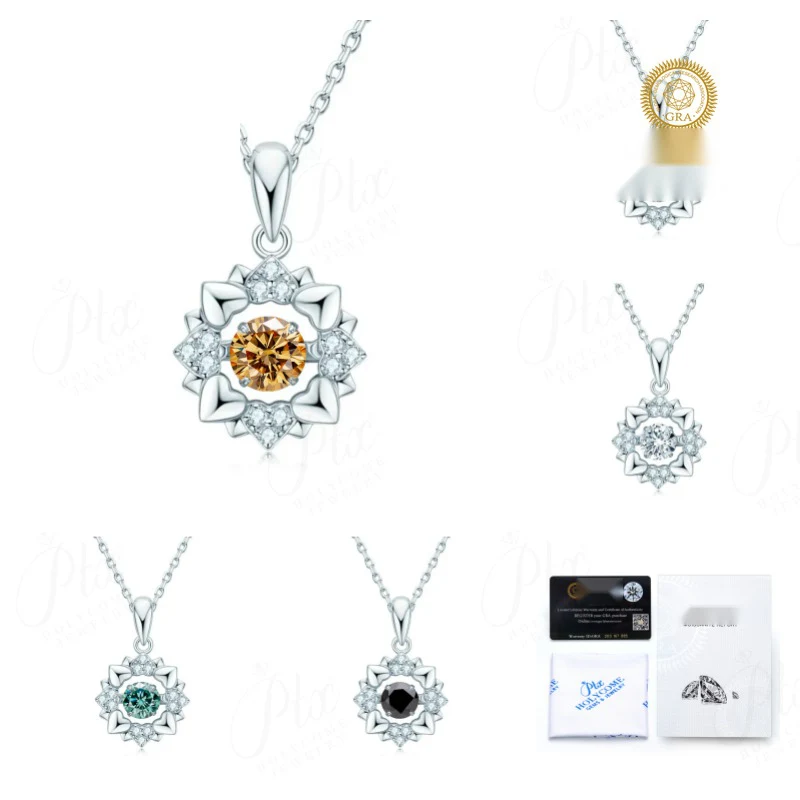
Graded moissanite ships with GRA or IGI papers, and these documents let you verify carat weight and quality independently. For retail resale, including the grading paper with each piece adds confidence at the counter. When you order loose stones by the carat for your own setting work, request the papers for each parcel so your setter knows exactly what is being mounted.
Practical Wear Testing for Sample Orders
Use the sampling stage for more than appearance checks. Wear a sample ring for one to two weeks, check prong tightness, and flex-test the band. Sample orders can be paid through PayPal, which keeps the trial low risk. Confirm the stone seat, the plating thickness feel, and the fit across your size run before you approve bulk production, which then takes 15 to 25 days.
Comparing Setting Options at a Glance
The table below summarizes the trade-offs across the four setting types most wholesale buyers choose between for a moissanite line.
| Setting | Stone Security | Light Entry | Best Use |
|---|---|---|---|
| Four prong | Good | High | Stones up to 1 carat equivalent |
| Six prong | Strong | Medium high | Larger center stones |
| Bezel | Highest | Medium | Active wearers |
| Channel | Strong | Medium | Band and accent stones |
Match the setting to the price tier of the metal and the wear profile of your customer. A bezel-set moissanite in 14K solid gold targets a different buyer than a four-prong piece in gold plated silver, and carrying both tiers widens your catalog without duplicating styles.
Ordering, Payment, and Delivery Terms
Stock styles carry a 1-piece minimum, so you can test a single sample SKU before committing to volume. Custom work requires 30 pieces per style, which is where your sizing distribution and setting choices get locked in. Pricing is quoted per piece for finished jewelry and per carat for loose stones.
Payment runs on T/T terms with a 30 percent deposit and the 70 percent balance before shipment; sample orders can use PayPal. Finished goods ship DDP to the US in 5 to 8 days, meaning duties and clearance are handled before the goods reach your door. Combined with 15 to 25 days of bulk production after sample approval, a custom moissanite program from approval to delivery typically lands within about a month of production start.
Order Terms for Wholesale Buyers
MOQ is 1 piece for stock styles and 30 pieces for custom work, and loose stones are sold by the carat. Sampling takes 7 to 10 days, and bulk production runs 15 to 25 days after the sample is approved. Pricing is quoted per piece or per carat depending on the item. Payment is T/T with a 30% deposit and the 70% balance before shipment, and PayPal is accepted for sample orders.
Frequently Asked Questions
What sizes should I stock for a US moissanite ring line?
Concentrate your buy on sizes 5 through 9, weighted toward 6, 7, and 8, with half sizes included in that core range. Keep edge sizes like 4 and 10 to a smaller allocation. With a 30-piece custom minimum, you can set the exact distribution per style.
Is moissanite durable enough for daily-wear rings?
Moissanite measures 9.25 on the hardness scale, so the stone resists scratching well. The setting and metal are the durability variables: six-prong or bezel settings in 10K or 14K solid gold hold up best for daily wear. Confirm prong tightness and seat fit during the sampling stage.
Can moissanite be called a diamond alternative in my listings?
Yes, and that is the accurate framing: moissanite is a lab-created diamond alternative, not a natural or real diamond. Listing it clearly as lab-created protects your retail customers and keeps your catalog compliant. Graded stones include GRA or IGI papers you can pass along.
How do I verify stone quality before bulk production?
Order a sample first, which takes 7 to 10 days, and check the stone against its GRA or IGI paper. Pay for samples through PayPal, wear-test the piece, then approve bulk production. Pre-ship AQL inspection covers the packed order before the balance payment.
What metal should I choose for a first moissanite collection?
Most buyers start with 925 sterling silver for the value tier and 14K solid gold for the premium tier, then add gold vermeil or gold plated pieces to fill the middle. Name the metal accurately in every listing. Sampling each tier lets you compare finish quality side by side.
Start Your Moissanite Program
Sizing, setting, and durability decisions are easiest to settle with a sample in hand and a clear production spec. Browse current stock styles and loose stones in our moissanite jewelry product catalog, read more sourcing guides on the wholesale jewelry blog, and request a quote or sample through our wholesale contact page. Stock styles start at a 1-piece minimum, so you can evaluate fit and finish before scaling to a 30-piece custom run.
Sources: Grading references: GIA gem education and GIA laboratory information.